When it comes to making the perfect pizza at home, the pan you use plays a huge role in how your crust turns out. Are you struggling to get that crispy, golden base or worried your pizza is coming out soggy?
Choosing the right pizza pan material can change everything—from texture to cooking time. In this guide, you’ll discover how different materials like steel, cast iron, aluminum, and stoneware affect your pizza’s taste and crunch. Knowing these differences will help you pick the pan that fits your style and kitchen needs perfectly.
Keep reading, and you’ll be tossing pies like a pro in no time!
Credit: bonraybakeware.com
Top Pizza Pan Materials
Choosing the right material for your pizza pan affects the taste and texture of your pizza. Different materials offer unique benefits for baking. Some retain heat better, while others are lighter and easier to handle. Understanding these materials helps you pick the best pan for your pizza style. Here are the top pizza pan materials to consider.
Baking Steel
Baking steel is a favorite for making crispy crusts. It heats quickly and holds heat very well. This creates a charred, crunchy bottom on your pizza. Baking steel is heavier than other pans and may cost more. It works great in home ovens and gives fast, even cooking.
Cast Iron
Cast iron pans are excellent for deep-dish pizzas. They keep heat for a long time, ensuring even cooking. Cast iron pans are very durable and last for years. They are heavy and need to be seasoned to keep food from sticking. These pans add a nice crust and rich flavor to your pizza.
Aluminum
Aluminum pans are light and heat up fast. Dark or anodized aluminum pans give better heat absorption than plain ones. They are perfect for thin crust pizzas and everyday use. Aluminum pans are usually affordable and easy to clean. Basic silver aluminum pans don’t hold heat as well.
Stoneware
Stoneware pizza stones bake pizzas evenly and offer a traditional feel. They absorb moisture to help create a crisp crust. Stoneware can crack if dropped or exposed to rapid temperature changes. It takes longer to heat up and cool down. Stoneware is ideal for artisan-style pizzas with a classic touch.
Best Pans By Pizza Style
Choosing the best pizza pan depends on the style of pizza you want to bake. Different pans suit different crusts and cooking methods. This section breaks down the best pans by pizza style to help you bake like a pro at home.
Crispiest Crust Pizzas
For pizzas with a crisp, charred crust, baking steels are ideal. Carbon steel or stainless steel pans heat quickly and hold heat well. They create a perfect sear on the bottom of the pizza. These pans cook faster and give a nice crunch. They are heavy and may cost more but deliver excellent results.
Deep Dish And Pan Pizzas
Cast iron pans work best for deep dish and pan-style pizzas. They keep heat evenly and create crispy, golden edges. Dark or anodized aluminum pans also perform well by absorbing heat effectively. Cast iron is heavy but very durable. Aluminum pans need seasoning or a good non-stick coating to prevent sticking.
General And Classic Pizzas
Lightweight aluminum pans suit general or classic pizza types. These pans heat up quickly and are easy to handle. Many have raised bumps to help air circulate under the crust. Basic silver aluminum pans heat less evenly than dark-coated versions. Aluminum pans are budget-friendly and widely available.
Traditional Artisan Pizzas
Stoneware pizza stones are great for traditional artisan pizzas. They provide even heat and slow baking for a tender crust. Stones retain heat well but take longer to warm up. They can crack if dropped or handled roughly. Stoneware pans do not create very crispy crusts compared to steel or cast iron.
Heat Retention And Cooking Performance
Heat retention and cooking performance are crucial for baking perfect pizza. The pan’s material affects how heat spreads and stays during cooking. This impacts crust texture and baking time. Understanding these properties helps choose the right pan for your pizza style.
Steel And Cast Iron Heat Properties
Steel and cast iron hold heat very well. They absorb heat quickly and release it evenly. This creates a crispy crust and cooks pizza faster. Cast iron is thicker and heavier, keeping heat longer. Steel heats up faster but cools down quicker. Both are excellent for deep-dish and thin crust pizzas.
Stoneware Heat Distribution
Stoneware heats evenly but more slowly than metal pans. It absorbs heat and spreads it uniformly across the surface. This helps avoid hot spots and burns. The crust bakes gently, producing a traditional texture. Stoneware can crack if dropped or heated too fast. It works best for artisan-style pizzas.
Aluminum Heat Conductivity
Aluminum pans heat up quickly and conduct heat well. They cool down faster than steel or cast iron. Dark or anodized aluminum improves heat absorption for a better crust. Aluminum is lightweight and easy to handle. It suits thin crust pizzas and those needing quick cooking times.

Credit: searedandsmoked.com
Durability And Maintenance
Durability and maintenance are key factors when choosing a pizza pan material. A durable pan lasts longer and saves money. Proper care keeps the pan working well. Different materials need different handling to stay in good shape.
Steel And Cast Iron Longevity
Steel and cast iron pans are very strong. They can last for many years with good care. Cast iron pans may develop a natural non-stick surface if seasoned properly. Steel pans resist warping and scratches better than many others. Both handle high temperatures well without damage.
Stoneware Fragility
Stoneware pizza stones can break if dropped or hit hard. They are brittle and need careful handling. Sudden temperature changes can cause cracks. Avoid washing stoneware in a dishwasher to prevent damage. They require gentle cleaning and drying.
Aluminum Care Tips
Aluminum pans are lightweight but can dent easily. Dark or anodized aluminum resists scratches better. Avoid metal utensils to prevent surface damage. Hand wash aluminum pans with mild soap. Dry thoroughly to prevent corrosion and maintain appearance.
Coating And Seasoning Effects
Non-stick coatings make cleaning easier but may wear off over time. Seasoning cast iron creates a protective layer that improves durability. Avoid harsh scrubbing on coated pans to keep the surface intact. Regular seasoning of cast iron pans extends their life and performance.
Weight And Handling
Weight and handling are important factors when choosing a pizza pan. The material affects how heavy the pan feels and how easy it is to move. A pan that is too heavy can be hard to lift, especially when hot. On the other hand, a very light pan might not hold heat well. Finding the right balance helps improve cooking and comfort in the kitchen.
Heavyweight Benefits And Drawbacks
Heavy pans, like cast iron or baking steel, hold heat for a long time. This helps create crispy and evenly cooked crusts. They keep the temperature steady even when you add the pizza. These pans are very durable and can last for many years.
The downside is their weight. Heavy pans can be hard to handle, especially when hot or full of pizza. They may need more strength to lift and move safely. Cleaning can also be harder due to the weight and size.
Lightweight Pan Advantages
Lightweight pans, such as aluminum ones, are easy to lift and carry. They make handling quicker and more comfortable. These pans heat up fast, so your pizza cooks quickly.
They are also good for everyday use. Lightweight pans are easier to store and clean. However, they may not keep heat as long as heavier pans. This can affect the crust’s crispness and overall baking result.
Non-stick Features And Coatings
Non-stick features and coatings play a vital role in pizza pan performance. They help prevent dough from sticking and make cleanup easier. Different materials use different methods to provide non-stick benefits. Understanding these options can help you pick the best pan for your pizza style.
Dark And Anodized Finishes
Dark and anodized finishes improve a pan’s non-stick ability naturally. These finishes absorb heat better than shiny surfaces. They create a harder surface that resists sticking. Dark pans also promote browning and crispiness. Anodized aluminum is durable and resists scratches. It does not need extra coatings to be non-stick. This finish is common in affordable pizza pans.
Silicone Glazes
Silicone glazes are applied as a thin coating to the pan. They make the surface slick and non-stick. Silicone is heat resistant and food safe. It helps release dough easily without added oil. This glaze also protects the pan from rust and corrosion. Silicone coatings can wear off with heavy use. They work best on aluminum or steel pans. Regular gentle cleaning preserves the silicone layer.
Seasoning For Cast Iron
Cast iron pans use seasoning to create a natural non-stick layer. Seasoning means coating the pan with oil and heating it. This process forms a smooth, protective surface that prevents sticking. A well-seasoned cast iron pan improves with use. It also resists rust and adds flavor to your pizza. Seasoning requires care to maintain. Avoid soap and dry the pan after washing. Reapply oil periodically to keep the surface slick.
Cooking Speed And Crispness
Cooking speed and crispness are two critical factors when choosing a pizza pan. The material affects how fast the pizza cooks and how crispy the crust becomes. Some pans heat up quickly, while others hold heat longer for even cooking. Understanding these differences helps pick the right pan for your pizza style.
Fast Cooking Pans
Aluminum pans heat up very quickly. They transfer heat fast to the dough, cutting down cooking time. Dark or anodized aluminum pans absorb heat better than shiny ones. Baking steels also cook pizzas fast due to excellent heat conductivity. These pans help get your pizza ready in minutes.
Achieving Crispy Crusts
Cast iron and baking steel excel at creating crispy crusts. They retain and release heat evenly, which crisps the bottom nicely. Stoneware holds heat but heats slowly, so crust crispness may take longer. Dark-coated pans promote better browning and crunch. A crispy crust depends on heat retention and surface texture.
Price And Value Considerations
Choosing the right pizza pan material involves balancing price and value. You want a pan that fits your budget yet lasts long and cooks well. Some materials cost less but wear out quickly. Others demand more upfront but deliver better performance over time. Understanding these price and value factors helps you pick a pan that suits your needs and wallet.
Budget-friendly Options
Aluminum pans are usually the cheapest choice. They heat up fast and are lightweight. Basic aluminum pans work well for casual pizza baking. Non-stick coated pans in this range make cleaning easy. These pans may wear out faster or warp with heavy use. Stoneware pans also fall into this budget category. They offer even heat but can crack if dropped. Budget pans fit well for beginners or occasional pizza makers.
Premium Material Benefits
Cast iron and baking steel pans cost more but bring great value. They retain heat well, giving crispy crusts every time. These pans are highly durable and can last for years. Cast iron is versatile for deep-dish or thin crust pizzas. Baking steel heats quickly and cooks pizzas evenly. Though heavier and pricier, these pans reduce cooking time and improve pizza quality. Investing in premium materials often saves money on replacements and improves your baking results.
Safety And Cleaning Tips
Choosing the right pizza pan is important, but knowing how to use and clean it safely matters too. Different materials need different care. Proper handling and cleaning keep your pans in good shape. They also protect you from burns and damage. Below are key safety and cleaning tips for various pizza pan materials.
Handling Hot Pans Safely
Always use oven mitts or thick towels when handling hot pans. Some materials, like cast iron and steel, stay hot longer. Place hot pans on heat-resistant surfaces to avoid damage. Avoid touching pans directly after baking. Let pans cool before cleaning or storing. Handle pans with care to prevent spills and burns.
Cleaning Different Materials
Cast iron needs gentle cleaning with warm water and a brush. Avoid soap to keep its seasoning. Baking steel can be wiped with a damp cloth after cooling. Use mild soap if needed, but dry it well to stop rust. Aluminum pans clean easily with warm, soapy water. Stoneware should be cleaned with soft brushes and no harsh chemicals. Avoid soaking stone pans for long.
Avoiding Damage
Never use metal scrubbers on non-stick or anodized aluminum pans. Scratches harm the coating and reduce lifespan. Avoid sudden temperature changes to prevent warping or cracking. Do not drop heavy pans, especially stoneware, which can crack easily. Store pans carefully to avoid scratches or dents. Regular maintenance extends pan life and keeps pizzas tasting great.

Credit: www.amazon.com
Frequently Asked Questions
What Are The Best Pizza Pans Made Of?
The best pizza pans are made of carbon steel, cast iron, dark/anodized aluminum, or stoneware. Steel and cast iron offer superior heat retention and durability. Aluminum heats quickly and is lightweight. Stoneware provides even heat but is less durable. Choose based on crust style and cooking needs.
What Should I Look For When Buying A Pizza Pan?
Choose a pizza pan with excellent heat retention like steel or cast iron for crispy crusts. Consider weight, durability, and coating. Dark or anodized aluminum suits thin crusts. Stoneware offers even heat but is fragile. Select based on pizza style and ease of cleaning.
What Are The Different Types Of Pizza Pans?
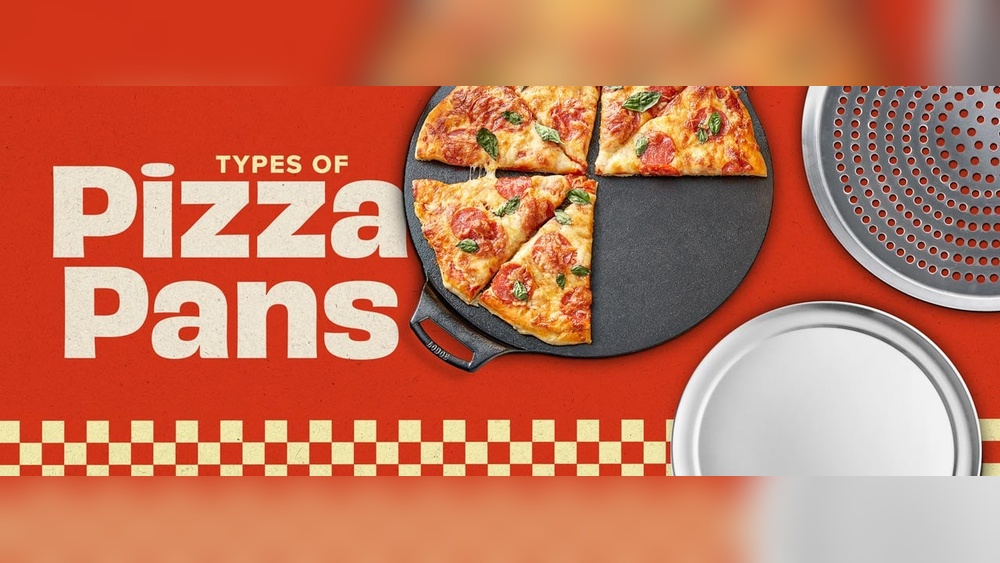
Pizza pans include baking steel for crispy crusts, cast iron for deep dishes, aluminum for thin crusts, and stoneware for traditional baking. Each offers unique heat retention, weight, and durability suited to different pizza styles.
Is Cast Iron Or Steel Better For Pizza?
Steel delivers a crispier crust with superior heat retention, ideal for thin pizzas. Cast iron excels in heat durability and suits deep-dish styles. Both are heavy and durable, but steel heats faster, while cast iron offers versatile cooking. Choose based on pizza style preference.
Conclusion
Choosing the right pizza pan material changes your baking experience. Steel and cast iron offer strong heat and durability for crispy crusts. Aluminum pans are light and heat quickly, good for everyday pizzas. Stoneware gives even heat but can break easily.
Think about weight, heat retention, and care needs. Match the pan to your pizza style and oven type. This way, your homemade pizza will taste just right every time.

As the author of the “Ultimate Pizza Guide: Recipes, Tips & Secrets Revealed,” I’m dedicated to sharing my love for pizza and empowering others to create delicious homemade pizzas with ease. Join me on a journey to uncover the secrets to perfecting your pizza game!