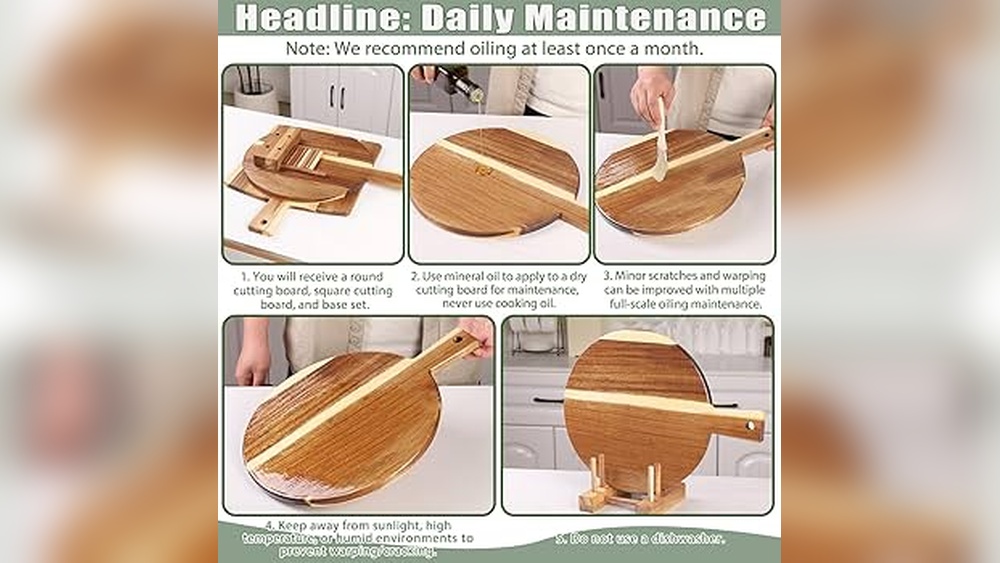
“Pizza Serving Board Oiling Guide”
If you love serving pizza on a wooden board, keeping it well-oiled is key to maintaining its beauty and durability. You might wonder why oiling your pizza serving board matters or how often you should do it.
Without proper care, your board can dry out, crack, or even harbor bacteria. But don’t worry—this simple guide will show you exactly how to oil your pizza serving board the right way. By following a few easy steps, you’ll protect your board, enhance its look, and enjoy many more delicious pizza nights.
Ready to learn how to keep your pizza board in top shape? Let’s dive in!
Credit: spice.alibaba.com
Choosing The Right Oil
Choosing the right oil for your pizza serving board is essential to keep it in great shape. The right oil protects the wood from drying out and cracking. It also helps maintain the board’s natural beauty and extends its life. Not all oils are safe or effective for wooden boards. Using the correct oil ensures food safety and prevents unpleasant smells or sticky residues.
Food-grade Mineral Oil
Food-grade mineral oil is the top choice for oiling wooden boards. It is colorless, odorless, and tasteless. This oil penetrates deep into the wood to keep it hydrated. Mineral oil does not go rancid, so it stays fresh for a long time. Look for mineral oil that contains Vitamin E to prevent it from spoiling. Applying mineral oil regularly keeps your pizza board smooth and protected.
Fractionated Coconut Oil
Fractionated coconut oil is a stable, liquid form of coconut oil. It does not harden or spoil like regular coconut oil. This oil has natural antibacterial properties. It moisturizes the wood and prevents drying. Fractionated coconut oil is a good natural alternative to mineral oil. It is safe for food contact and easy to apply. Use it to keep your pizza serving board looking fresh and clean.
Oil And Wax Conditioners
Some products combine oil with wax, such as beeswax or carnauba wax. These conditioners offer deeper protection for wooden boards. The wax seals the surface and adds a slight shine. The oil nourishes the wood, while the wax blocks moisture. These products create a durable barrier against water and stains. They are perfect for pizza boards that see frequent use and washing.
Oils To Avoid
Avoid cooking oils like olive, vegetable, canola, or sesame oil. These oils go rancid quickly and cause bad smells. They can leave sticky, gummy residues on the wood. Using cooking oils damages the board and attracts bacteria. Stay away from any oils that are not labeled food-safe or mineral-based. Proper oiling keeps your pizza serving board safe and long-lasting.
Preparing Your Board
Preparing your pizza serving board is the first step to keep it in great shape. Proper care helps the wood stay strong and look beautiful. Before oiling, the board needs to be clean and dry. You should also check it carefully for any damage. This preparation ensures the oil soaks well and protects the wood.
Cleaning And Drying
Start by washing the board with warm water and mild soap. Use a soft sponge to remove food particles and stains. Avoid soaking the board in water to prevent warping. After washing, dry the board immediately with a clean towel. Let it air dry completely in a vertical position. This step stops moisture from being trapped inside the wood.
Inspecting For Damage
Look closely for cracks, deep cuts, or rough spots on the board. Small cracks can let moisture in and cause the wood to split. Sand any rough areas gently with fine-grit sandpaper. If the board has serious damage, consider replacing it. A well-maintained board lasts longer and works better for serving pizza.
Oiling Process
The oiling process is essential to protect your pizza serving board. It keeps the wood hydrated and prevents cracks. Regular oiling also enhances the board’s natural beauty and durability.
This process is simple but requires care to ensure the oil soaks deep into the wood grain. Follow these steps for the best results.
Applying Oil Generously
Start by using a clean, soft cloth or paper towel. Pour a good amount of food-grade mineral oil onto the cloth. Spread the oil evenly over the entire surface of the board. Don’t be shy—apply enough to cover every part well.
Working Oil Into The Grain
Use circular motions to work the oil deep into the wood grain. This helps the oil penetrate and nourish the wood fibers. Pay special attention to edges and corners. They often dry out faster and need extra care.
Soaking Time
Let the board sit for several hours or overnight. This soaking time allows the oil to fully absorb into the wood. Place the board on a clean surface with a slight angle to catch any drips. Avoid using the board until the oil has soaked in completely.
Wiping Off Excess
After soaking, use a dry cloth to wipe off any leftover oil. Removing excess oil prevents a sticky surface and helps the board dry properly. Repeat this oiling process once a month or as needed for best protection.
Maintenance Tips
Proper maintenance keeps your pizza serving board looking great and lasting long. Regular care prevents cracks and warping. Simple steps like oiling, drying, and storage protect the wood. Follow these maintenance tips to keep your board in top shape.
Frequency Of Oiling
Oiling should happen regularly to keep the wood hydrated. For boards used often, oil once every two weeks. If used less, oil once a month is enough. Watch for dry spots or light color changes as signs for oiling. Applying oil too often can cause a sticky surface. Stick to a schedule based on your use.
Drying And Storage
Always dry your board fully before storing it. Use a clean towel to remove water after washing. Stand the board upright to allow air circulation. Avoid storing your board flat in damp places. Keep it away from direct sunlight or heat. Proper drying and storage prevent mold and cracks.
Handling Heavily Used Boards
Boards used frequently need extra care. Sand lightly before oiling to smooth rough spots. This removes stains and scratches. Apply oil generously and let it soak overnight. Use a cloth to rub the oil deep into the wood grain. Repeat oiling more often to maintain protection and shine.
Diy Oil Blends
Creating your own oil blends for a pizza serving board offers a natural and effective way to protect wood. These blends hydrate the wood, prevent cracks, and keep the surface looking fresh. DIY oil blends are simple to make with common ingredients. They also avoid harmful chemicals often found in commercial products. Here are two easy and popular options for homemade conditioning oils.
Mineral Oil And Beeswax Mix
Mineral oil is a top choice for wood care. It is safe, odorless, and absorbs deeply into the wood. Mixing it with beeswax adds a protective layer on top of the wood.
To make this blend, gently melt 1 part beeswax and mix it with 4 parts mineral oil. Stir well until combined. Let the mixture cool and thicken before use.
Apply the blend with a soft cloth. Rub it into the wood grain in small circles. Let the board absorb the oil for several hours or overnight. Wipe off any excess before use. This mix keeps your pizza board smooth and moisture-resistant.
Homemade Conditioning Solutions
Other simple oils can also condition your pizza board. Fractionated coconut oil is a good alternative. It stays liquid and resists going rancid. This oil has natural antibacterial properties, adding extra care for your wood.
Combine fractionated coconut oil with a small amount of beeswax or pure carnauba wax. Warm the wax gently and mix with the oil. Cool and store the blend in a clean jar.
Use a clean cloth to apply the homemade conditioner regularly. This keeps the board hydrated and prevents drying or cracking. Regular oiling extends the life of your pizza serving board and keeps it food-safe.
Credit: www.countrycrock.com
Common Mistakes To Avoid
Oiling your pizza serving board keeps it in great shape and extends its life. Avoid mistakes that can damage the wood or reduce the oil’s effectiveness. Here are common errors to watch out for during the oiling process.
Using Cooking Oils
Never use cooking oils like olive, vegetable, or canola oil. These oils can go rancid and leave a bad smell. They also create sticky residue on the board surface. Choose food-grade mineral oil or fractionated coconut oil instead. These oils do not spoil and protect the wood well.
Skipping Drying Steps
Always dry the board completely before oiling. Applying oil on a wet or damp surface prevents proper absorption. It can cause uneven oiling and may trap moisture inside the wood. After washing, let the board air dry fully, ideally standing upright, before applying oil.
Applying Too Little Oil
Using too little oil leaves the wood unprotected. The board may dry out, crack, or stain faster. Apply a generous amount and rub it well into the wood grain. Let the oil soak in for hours or overnight. Wipe off any excess to avoid sticky buildup.
Extending Board Lifespan
Extending the lifespan of your pizza serving board ensures it remains a reliable kitchen tool. Proper care protects the wood from damage and keeps it looking great. Oiling plays a key role in this process. Regular maintenance prevents drying and cracking, keeping your board strong and beautiful over time.
Regular Conditioning
Apply food-grade mineral oil or a suitable conditioner often. This keeps the wood hydrated and prevents it from drying out. Use a clean cloth to rub the oil into the wood grain. Let the oil soak in for several hours or overnight. Wipe off any excess oil with a dry cloth. Repeat this process every few weeks or more if you use the board often.
Protecting Against Cracks
Dry wood can crack and split easily. Oiling prevents this by sealing moisture inside the board. Avoid placing your board in direct sunlight or near heat sources. These can cause the wood to dry too fast. Also, never soak the board in water. Excess water weakens the wood fibers and leads to cracks.
Proper Handling Practices
Handle your pizza serving board gently to avoid damage. Always lift it by the edges instead of dragging it across surfaces. Clean the board with mild soap and warm water after each use. Dry it thoroughly with a towel before storing. Store the board upright in a dry place with good air circulation. This practice reduces warping and keeps the wood stable.

Credit: www.oliversmarket.com
Frequently Asked Questions
How To Oil A Serving Board?
Clean and dry the board thoroughly. Apply food-grade mineral oil generously with a cloth, rubbing it into the grain. Let it soak for several hours or overnight. Wipe off excess oil and repeat monthly to maintain and protect the wood.
What Is The Best Oil For Oiling A Cutting Board?
The best oil for cutting boards is food-grade mineral oil. It’s odorless, tasteless, affordable, and prevents wood from drying or cracking. Avoid cooking oils like olive or vegetable oil as they can go rancid. For extra protection, use mineral oil mixed with beeswax or fractionated coconut oil.
Do You Oil Both Sides Of A Cutting Board?
Yes, oil both sides of a cutting board to prevent warping and cracking. Apply food-grade mineral oil evenly and let it soak fully. Repeat monthly for best results.
How To Properly Oil A New Cutting Board?
Clean and dry the board thoroughly. Apply food-grade mineral oil generously using a clean cloth. Let it soak for several hours or overnight. Wipe off excess oil. Repeat monthly or as needed to keep the board hydrated and protected. Avoid cooking oils to prevent rancidity.
Conclusion
Oiling your pizza serving board keeps it strong and looking great. Use food-grade mineral oil or fractionated coconut oil for best results. Avoid cooking oils that spoil and smell bad. Clean and dry your board before applying oil. Let the oil soak well to protect the wood deeply.
Repeat oiling regularly to prevent cracks and warping. This simple care helps your board last longer and stay safe for food. Enjoy serving pizza on a well-maintained, beautiful wooden board every time.

As the author of the “Ultimate Pizza Guide: Recipes, Tips & Secrets Revealed,” I’m dedicated to sharing my love for pizza and empowering others to create delicious homemade pizzas with ease. Join me on a journey to uncover the secrets to perfecting your pizza game!


