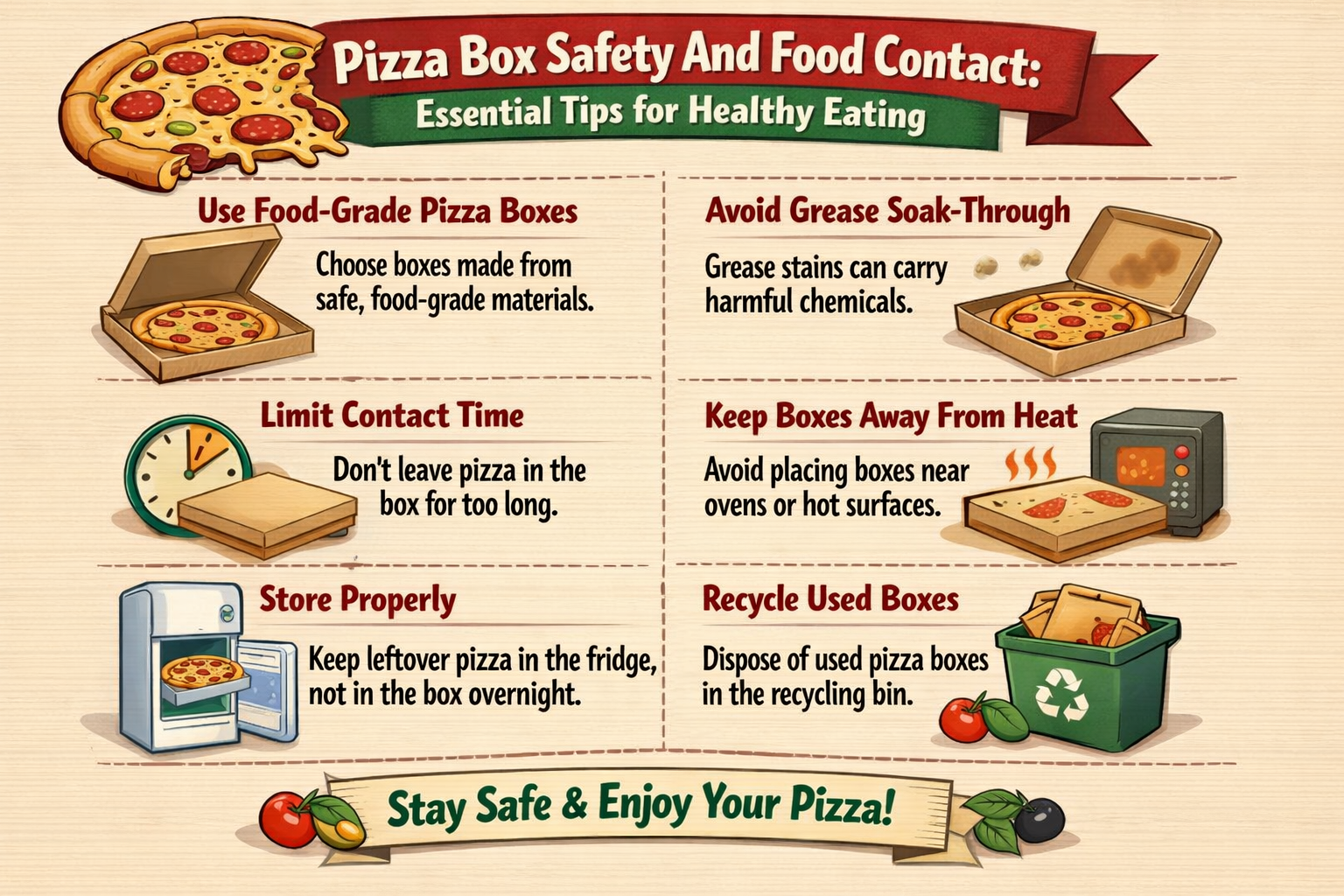
When you grab a hot, delicious pizza, the last thing you want to worry about is what’s inside the box holding it. But have you ever stopped to think about whether your pizza box is truly safe?
What if harmful chemicals are sneaking from the cardboard onto your food? Understanding pizza box safety and how these boxes interact with your food is more important than you might realize. You’ll discover what to look for to keep your meals safe, why some materials can be risky, and how to make smarter choices the next time you order in.
Keep reading to protect yourself and enjoy every slice with peace of mind.

Credit: www.alsglobal.com
Fda Rules For Pizza Boxes
The FDA sets clear rules to keep pizza boxes safe for food contact. These rules help protect people from harmful chemicals that might leak into food. Pizza boxes must meet strict standards before they reach restaurants or homes.
Manufacturers follow FDA guidelines to choose materials and coatings. These materials must not transfer dangerous substances to the pizza. This ensures the food stays safe and healthy to eat.
Materials Approved For Food Contact
The FDA approves only certain materials for pizza boxes. Paperboard and cardboard are common choices. These materials must be free from toxic chemicals.
Special coatings may be added to prevent grease from soaking through. These coatings also must be FDA-approved. They create a safe barrier between the pizza and the box.
The materials should not change the pizza’s taste or smell. All substances used must be safe to touch and eat with.
Changes In Chemical Regulations
The FDA updates rules to remove harmful chemicals from pizza boxes. Chemicals like PFAS and bisphenols used to be common. Now, the FDA bans or limits these chemicals.
This change reduces the risk of chemical migration into food. Pizza makers and box producers must follow these new rules strictly.
The FDA continues to study materials and chemicals for safety. These updates help keep pizza boxes safer for everyone.

Credit: www.redbaron.com
Chemicals In Pizza Boxes
Pizza boxes protect your food but may also carry hidden chemicals. These substances help keep the box strong and grease-resistant. Some chemicals can move from the box to the pizza. Understanding these chemicals helps you make safer choices. The main concerns include bisphenols and PFAS. Both have sparked questions about food safety.
Bisphenols And Their Risks
Bisphenols are chemicals used to make plastics and coatings. BPA and BPS are common bisphenols found in food packaging. They can act like hormones in the body. This may cause health problems, especially in children. Studies show bisphenols can move into food from pizza boxes. Many companies now avoid BPA, but BPS is still used. Awareness of bisphenols helps reduce exposure risks.
Pfas And Food Safety Concerns
PFAS are man-made chemicals that resist heat and grease. They keep pizza boxes from leaking oil and moisture. PFAS can build up in the body over time. This buildup may harm the liver, immune system, and thyroid. The FDA has limited some PFAS in food packaging. Still, many pizza boxes may contain these chemicals. Choosing pizza from brands that avoid PFAS is safer.
Recent Studies On Chemical Migration
Researchers test how chemicals move from boxes to food. Some studies found bisphenols and PFAS in pizza slices. Migration depends on temperature and pizza type. Hot, greasy pizzas increase chemical transfer risks. These findings push for safer packaging rules. New materials and coatings aim to reduce chemical migration. Ongoing research helps protect consumers better.
Printing And Coatings
Printing and coatings play a vital role in pizza box safety and food contact. They not only enhance the box’s look but also protect the pizza inside. Proper coatings prevent grease and moisture from soaking through. Printing inks must be safe and not contaminate the food. Understanding these elements helps ensure safer pizza packaging.
Barrier Coatings To Protect Food
Barrier coatings create a shield between the pizza and the cardboard. These coatings stop grease and oils from leaking out. They also keep moisture from softening the box. This helps maintain the pizza’s freshness and texture. Food-safe coatings prevent harmful substances from reaching the pizza. Common materials include wax, polyethylene, and water-based coatings. These coatings must meet strict safety standards. Without them, food can absorb chemicals from the box.
Safe Ink Usage On Food Packaging
Inks used on pizza boxes must be non-toxic and food-safe. They should not transfer to the pizza or its toppings. Safe inks avoid harmful chemicals like heavy metals or solvents. Manufacturers choose inks approved by food safety agencies. These inks dry quickly and resist smudging or bleeding. Using safe inks reduces health risks for consumers. It also keeps the pizza visually appealing without safety concerns.
Safe Storage Practices
Safe storage practices play a key role in maintaining pizza box safety and food contact quality. Proper storage helps keep the pizza fresh and prevents contamination. It also avoids the absorption of unwanted odors that can affect taste and quality. Following simple storage tips ensures both safety and flavor remain intact.
Avoiding Odor Absorption
Pizza boxes are made of cardboard, which can absorb strong smells easily. Store boxes away from foods with strong odors like onions, garlic, or spices. Keep them separate from cleaning products or chemicals. Use airtight containers or sealed bags if storing leftover pizza for longer periods. This stops the cardboard from taking on unwanted smells.
Proper Handling And Hygiene
Always handle pizza boxes with clean hands to avoid transferring germs. Avoid placing boxes on dirty or wet surfaces. Store boxes in a cool, dry place to prevent moisture buildup, which can lead to bacteria growth. If boxes get wet or damaged, discard them to keep food safe. Practicing good hygiene protects the pizza and your health.
Alternatives To Traditional Boxes
Traditional pizza boxes often contain chemicals that may transfer to food. Safer alternatives are gaining attention. These options focus on reducing harmful substances and improving environmental impact. They support food safety and meet consumer demand for cleaner packaging. Exploring these alternatives helps businesses and consumers make better choices.
Pfas-free Packaging Options
PFAS are chemicals used to make boxes grease-resistant. These can pose health risks if they contact food. PFAS-free options avoid these chemicals completely. They use natural coatings or treatments to repel oil and moisture. This keeps pizzas fresh without harmful substances. Choosing PFAS-free boxes reduces chemical exposure for customers. It also aligns with stricter safety regulations worldwide.
Sustainable And Safe Materials
Materials like recycled cardboard and plant fibers offer safe packaging solutions. These sources reduce waste and use fewer toxic chemicals. Some boxes use biodegradable coatings made from natural ingredients. These coatings protect food and break down safely after use. Sustainable materials lower the environmental footprint of pizza packaging. They provide a clean, safe barrier that preserves food quality. Businesses benefit by appealing to eco-conscious customers.
Global Safety Standards
Global safety standards play a crucial role in ensuring pizza boxes do not harm consumers. These standards regulate materials that touch food. They help prevent harmful chemicals from contaminating food. Different regions have their own rules and guidelines. Understanding these differences is important for manufacturers and consumers alike.
European Regulations On Bpa And Bps
Europe strictly controls the use of BPA and BPS in food packaging. These chemicals can leach into food and pose health risks. The European Union has set limits on how much BPA and BPS can be present. Many pizza boxes in Europe must meet these strict requirements. This protects consumers from potential exposure to harmful substances.
Comparing Us And International Guidelines
The United States follows FDA rules for food contact materials. The FDA restricts many harmful chemicals but allows some under strict limits. European regulations tend to be more cautious and detailed. Other countries may base their rules on either the US or European models. This creates a varied global landscape for pizza box safety.

Credit: www.redbaron.com
Frequently Asked Questions
Are Pizza Boxes Safe For Direct Food Contact?
Yes, most pizza boxes are made with FDA-approved materials safe for food contact. They are designed to prevent harmful chemical transfer to the pizza.
Can Harmful Chemicals Migrate From Pizza Boxes To Food?
Some older boxes contained chemicals like BPA or PFAS that could migrate. Modern pizza boxes avoid these substances to ensure food safety.
How Does Fda Regulate Pizza Box Safety?
The FDA sets strict guidelines on materials that touch food, ensuring pizza boxes meet safety standards and do not leach toxic chemicals into food.
Are Printed Inks Safe Inside Pizza Boxes?
Many pizza boxes use barrier coatings that prevent ink from contacting food. This layer protects the pizza from potential ink contamination.
Conclusion
Choosing safe pizza boxes matters for your health and food quality. Always check for boxes made from food-safe materials. Avoid boxes with harmful chemicals like BPA or PFAS. Proper storage keeps boxes clean and prevents odor transfer. Trusted manufacturers follow FDA rules to ensure safety.
Safe pizza packaging protects your meal and peace of mind. Stay informed and enjoy your pizza without worry.

As the author of the “Ultimate Pizza Guide: Recipes, Tips & Secrets Revealed,” I’m dedicated to sharing my love for pizza and empowering others to create delicious homemade pizzas with ease. Join me on a journey to uncover the secrets to perfecting your pizza game!