When you serve pizza, keeping your customers safe is your top priority. Using the right pizza serving gloves isn’t just about hygiene—it’s about protecting your food from germs and ensuring every slice is safe to eat.
But do you know what makes gloves truly food-safe? Choosing the wrong gloves can put your pizza’s quality and your reputation at risk. You’ll discover why food safety matters when handling pizza, what to look for in pizza serving gloves, and how the right gloves can boost both hygiene and customer trust.
Keep reading to learn how to serve every pizza with confidence and care.
Food Safety And Gloves
Food safety is a top priority in any kitchen, especially when handling pizza. Gloves act as a barrier to prevent germs from spreading. Using the right gloves helps keep food clean and safe for customers.
Choosing the correct gloves and knowing when to wear them reduces contamination risks. Proper glove use supports hygiene and builds customer trust in your pizza service.
When Gloves Are Required
Gloves must be worn if hands have cuts or open wounds. This protects the food from bacteria entering through injuries. Gloves are also needed when handling ready-to-eat pizza toppings. Touching cooked pizza directly without gloves can cause contamination. Wearing gloves is important during any food contact that might spread germs.
Risks Of Not Wearing Gloves
Not using gloves can transfer bacteria from hands to pizza. This increases the chance of foodborne illness. Even clean hands can carry germs that cause sickness. Cross-contamination happens if employees touch raw and cooked items without gloves. Customers may lose trust if they see poor hygiene practices. Gloves help reduce these risks and maintain safe food handling.
Credit: blog.ammex.com
Fda Standards For Gloves
The FDA sets clear standards for gloves used in food handling. These rules help keep pizza safe and clean. Gloves must protect food from germs and harmful substances. Meeting these standards ensures customer health and trust.
Safe Food-grade Materials
Gloves must be made from materials safe for food contact. FDA approves only certain plastics, latex, or nitrile. These materials do not release harmful chemicals. This prevents contamination of pizza during serving.
Sanitary And Intact Gloves
Gloves must remain clean and undamaged at all times. Torn or dirty gloves can spread bacteria. Proper storage and handling keep gloves sanitary. Employees should change gloves regularly to maintain hygiene.
Impermeable Barrier Function
Gloves act as a barrier to stop germs from hands reaching food. They must be impermeable to liquids and microbes. This barrier reduces the risk of cross-contamination. It protects both the food and the server.
Manufacturing Practices
FDA requires gloves to be produced in clean, controlled environments. Factories must follow strict hygiene rules. This ensures gloves are free from contaminants. Good manufacturing practices support food safety efforts.
Certification And Documentation
Glove manufacturers provide certification proving FDA compliance. These documents confirm the gloves meet safety standards. Businesses should keep these records for inspections. Certification builds confidence in food safety protocols.
Types Of Gloves
Choosing the right gloves helps keep pizza safe and clean. Gloves protect food from germs and prevent contamination. Different gloves serve various needs in the kitchen. Understanding each type helps food handlers pick the best option.
Nitrile Gloves
Nitrile gloves are strong and resistant to tears. They do not contain latex, so they are good for people with allergies. These gloves fit well and allow good hand movement. They are ideal for handling greasy or oily foods.
Vinyl Gloves
Vinyl gloves are affordable and comfortable. They are less durable but suitable for short tasks. These gloves offer basic protection against germs. Vinyl gloves are often used for light food preparation.
Latex Gloves
Latex gloves provide excellent fit and flexibility. They offer good protection and feel like a second skin. Some people may have allergies to latex. These gloves are common in food service but require care if allergies exist.
Hdpe Gloves
HDPE gloves are loose and transparent. They are usually used for quick tasks like serving slices. These gloves provide minimal protection but help keep food clean. They are cheap and easy to wear.
Choosing The Right Gloves For Pizza
Choosing the right gloves for pizza service is important for food safety and hygiene. Gloves protect both the pizza and the hands from contamination. Picking gloves that fit well and feel comfortable helps workers perform tasks efficiently. Different gloves suit different needs in the pizza kitchen. Understanding key factors guides the best choice.
Durability And Comfort
Gloves must be strong to resist tearing during pizza handling. Durable gloves reduce waste and save money. Comfort is essential to avoid hand fatigue. Soft, flexible gloves allow easy movement and better grip. Look for gloves that balance toughness with comfort. This ensures safe and smooth pizza service.
Allergy Considerations
Some gloves contain latex, which can cause allergies. Choose latex-free gloves to protect workers and customers. Nitrile and vinyl gloves are good alternatives. These materials also offer good protection and fit. Allergy-safe gloves create a safer kitchen environment for all.
Task-specific Uses
Different pizza tasks may need different gloves. Thin gloves work well for food preparation and topping pizzas. Heat-resistant gloves protect hands when handling hot ovens and trays. Disposable gloves are best for quick tasks to keep things clean. Match gloves to the specific job for better safety and hygiene.
Proper Glove Use
Proper glove use is essential for maintaining food safety when serving pizza. Gloves act as a barrier to protect food from germs and bacteria on hands. Using gloves correctly helps keep both customers and staff safe. It also supports hygiene standards in any food service setting.
Understanding how to wear, change, and handle gloves reduces contamination risks. Each step in glove use plays a key role in food safety. This section explains the best practices for proper glove use with pizza serving gloves.
Correct Wearing Techniques
Start with clean hands before putting on gloves. Wash hands with soap and dry completely. Use gloves that fit well without tearing. Pull gloves over the wrist for full coverage. Avoid touching the outside of gloves once worn. Keep nails trimmed to prevent glove damage. Use gloves only once and avoid reusing them.
When To Change Gloves
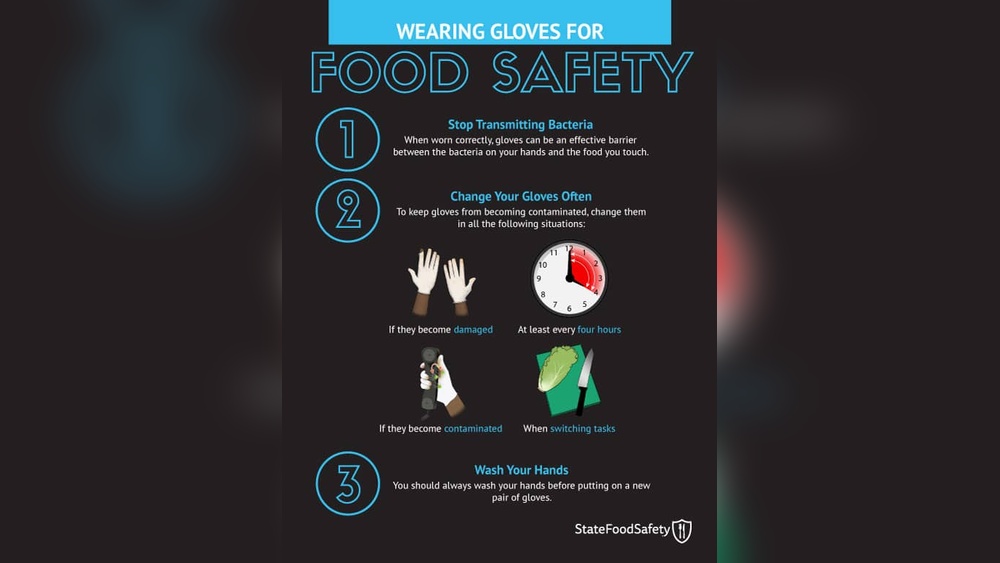
Change gloves after handling raw food or meat. Always change gloves when switching to ready-to-eat food. Change gloves if they become torn or dirty. Remove gloves before taking breaks or using the restroom. Replace gloves between different tasks to prevent contamination. Follow local health regulations on glove changing frequency.
Avoiding Cross-contamination
Never touch non-food surfaces with gloves on. Avoid touching your face, phone, or hair while wearing gloves. Use separate gloves for different food types. Dispose of gloves immediately after use. Wash hands before putting on a new pair of gloves. Always keep gloves away from food prep surfaces until worn.

Credit: foodsafepal.com
Popular Gloves For Pizza Serving
Choosing the right gloves for pizza serving is key for food safety. Gloves protect both the server and the customer from contamination. They also help keep hands clean when handling hot or greasy pizza. Different gloves suit different needs in pizza shops. Below are popular glove types used in pizza serving.
Disposable Options
Disposable gloves are common in pizza places. They are usually made from vinyl, latex, or nitrile. These gloves are cheap and easy to use. After serving, throw them away to avoid germs. They help keep hands clean and prevent cross-contamination. Many pizza workers prefer disposable gloves for quick tasks.
Heat-resistant Gloves
Heat-resistant gloves protect hands from hot pizza and ovens. These gloves are made with special materials like silicone or Kevlar. They allow pizza workers to handle hot trays safely. Heat-resistant gloves reduce the chance of burns. Using them improves safety and comfort in busy kitchens.
Long Cuff Gloves
Long cuff gloves offer extra protection for wrists and lower arms. These gloves are useful during messy or wet tasks. They prevent sauce and grease from reaching the skin. Long cuff gloves are often made from thicker materials. They provide better coverage for pizza servers and keep uniforms cleaner.
Maintaining Hygiene With Gloves
Wearing gloves during pizza serving helps keep food safe and clean. Gloves create a barrier between hands and food. This barrier stops germs from spreading. Proper use of gloves is key to hygiene. Careless use may cause contamination instead of preventing it.
Handwashing Before Gloves
Clean hands are the first step to safety. Always wash hands with soap and water before wearing gloves. Dry hands well to avoid moisture inside gloves. Dirty hands can transfer germs onto the gloves. This makes gloves unsafe and ineffective.
Storage And Disposal
Store gloves in a clean, dry place away from heat. Keep them sealed until use to avoid contamination. Use gloves only once and then throw them away. Do not reuse gloves, as this spreads bacteria. Proper disposal stops germs from spreading in the kitchen.
Monitoring Glove Integrity
Check gloves for holes or tears before use. Damaged gloves let germs pass through easily. Change gloves immediately if they rip or get dirty. Regularly inspect gloves during work to maintain safety. Good glove condition keeps pizza safe for customers.
:max_bytes(150000):strip_icc()/__opt__aboutcom__coeus__resources__content_migration__serious_eats__seriouseats.com__2020__03__20200320-covid-food-prep-gloves-shutterstock-3d4aa015da574e1b937fa5c14b040e1e.jpg "Pizza Serving Gloves Food Safety: Ultimate Hygiene Tips Revealed 4")
Credit: www.seriouseats.com
Frequently Asked Questions
Do Pizza Employees Have To Wear Gloves?
Pizza employees must wear gloves only if they have cuts, burns, or open wounds on their hands. Otherwise, glove use is not strictly required. Gloves used should be food-grade, clean, intact, and act as a barrier to prevent contamination during food handling.
What Are The Fda Requirements For Food Handling Gloves?
FDA requires food handling gloves to be made from food-grade, safe materials. Gloves must be clean, intact, and act as a barrier against contaminants. Manufacturers follow Good Manufacturing Practices to ensure glove safety and prevent harmful chemical transfer to food.
Do You Need To Wear Gloves When Adding Cheese To A Pizza?
Wearing gloves when adding cheese to pizza is not always required. Use gloves if you have cuts or wounds. Gloves help prevent contamination and maintain food safety. Always handle cheese with clean hands or gloves to ensure hygiene. Follow local health regulations for best practices.
What Are Common Food Glove Violations?
Common food glove violations include using torn or dirty gloves, not changing gloves between tasks, and touching non-food surfaces. Gloves made from unsafe materials or reused improperly also violate food safety rules. Employees must keep gloves intact and clean to prevent contamination during food handling.
Conclusion
Using pizza serving gloves helps keep food clean and safe. Gloves protect hands from germs and prevent contamination. Always choose gloves made from food-safe materials like nitrile or vinyl. Change gloves often to avoid spreading bacteria between tasks. Proper glove use supports good hygiene in busy kitchens.
It keeps customers healthy and builds trust in your service. Remember, clean hands and gloves go hand in hand. Simple steps make a big difference in food safety. Stay careful and keep your pizza delicious and safe to eat.

As the author of the “Ultimate Pizza Guide: Recipes, Tips & Secrets Revealed,” I’m dedicated to sharing my love for pizza and empowering others to create delicious homemade pizzas with ease. Join me on a journey to uncover the secrets to perfecting your pizza game!