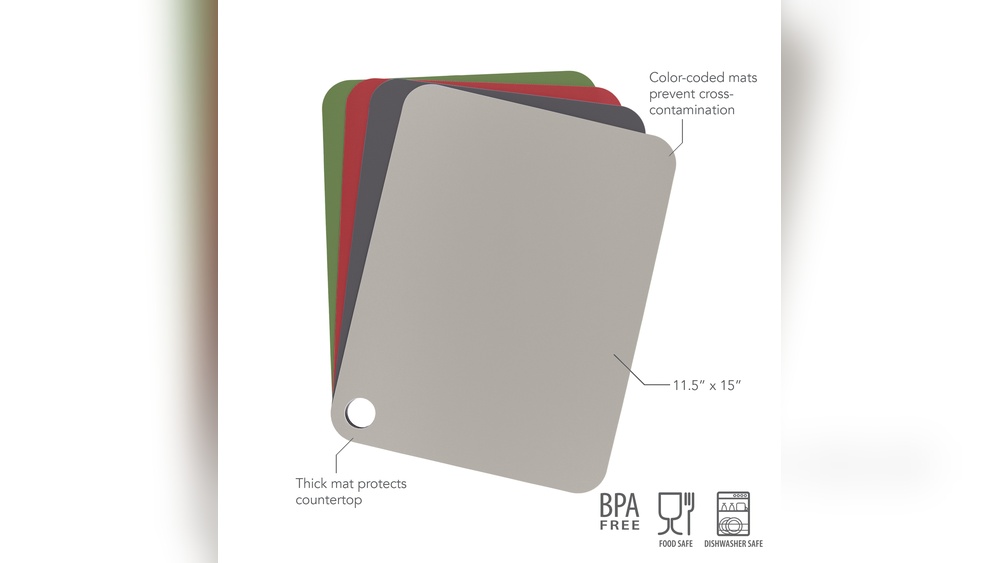
“Pizza Accessory Cross-Contamination Prevention”
When you’re making or serving pizza, keeping your accessories clean and safe is more important than you might think. Cross-contamination can sneak in through cutting boards, knives, or even pizza cutters, turning a delicious meal into a health risk.
If you want to protect yourself, your family, or your customers from harmful bacteria, you need simple but effective ways to prevent cross-contamination with your pizza tools. You’ll discover easy steps you can take every time you prepare pizza to keep your kitchen safe, your food fresh, and your pizza experience worry-free.
Keep reading to learn how small changes can make a big difference in preventing cross-contamination with your pizza accessories.
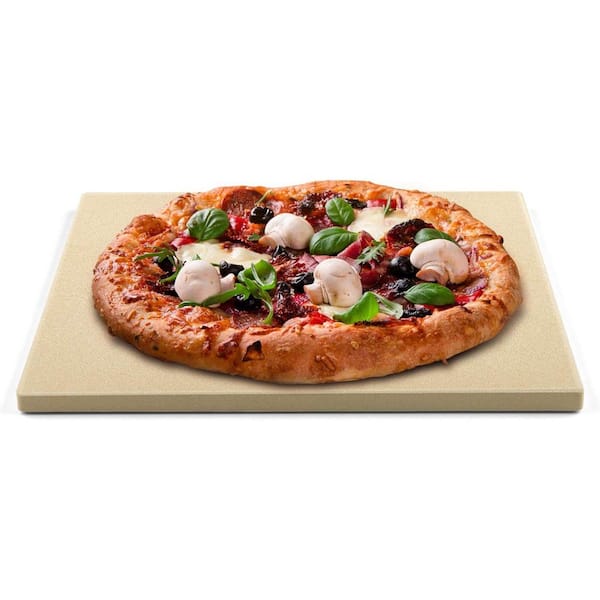
Credit: www.homedepot.com
Handwashing And Hygiene
Handwashing and hygiene play a key role in preventing cross-contamination with pizza accessories. Keeping hands clean stops the spread of harmful bacteria from one surface to another. Proper hygiene protects both food and people. This section explains how to wash hands correctly, when to wash them, and how to use gloves safely.
Proper Handwashing Techniques
Start by wetting your hands with clean water. Apply soap and rub your hands together for at least 20 seconds. Clean all parts including backs of hands, between fingers, and under nails. Rinse well under running water. Dry hands with a clean towel or air dryer. Proper handwashing removes dirt and germs effectively.
When To Wash Hands
Wash hands before handling any pizza accessories or food. Always wash after touching raw meat, poultry, or seafood. Wash hands after using the restroom or touching your face. Change gloves and wash hands when switching tasks. Clean hands help stop the spread of bacteria and keep food safe.
Using Gloves Safely
Gloves add a barrier between hands and food. Use new gloves for each task. Change gloves if they become torn or dirty. Never reuse disposable gloves. Wash hands before putting on gloves. Gloves do not replace handwashing but add extra protection against contamination.
Separating Raw And Cooked Foods
Separating raw and cooked foods is vital to stop harmful bacteria from spreading. Cross-contamination happens when juices or particles from raw items touch cooked foods. This risk can cause foodborne illnesses. Keeping raw and cooked foods apart protects everyone eating the pizza. Simple steps in the kitchen make a big difference in food safety.
Using Different Cutting Boards
Use one cutting board for raw foods like meat or seafood. Use a separate board for cooked foods and vegetables. Color-coded boards help avoid confusion. Clean boards thoroughly after each use. This practice reduces the chance of bacteria moving from raw to ready-to-eat items.
Designating Plates And Utensils
Assign specific plates and utensils for raw ingredients. Use different ones for cooked pizza toppings and finished slices. Avoid sharing tools between raw and cooked foods. Wash all plates and utensils well with hot, soapy water. This habit keeps germs from spreading through kitchen tools.
Storing Raw Foods Below Cooked Items
Place raw foods on the bottom shelf of the refrigerator. Keep cooked foods and ready-to-eat items on higher shelves. This setup stops raw juices from dripping onto cooked products. Use sealed containers or leak-proof bags for raw items. Proper storage is key to preventing cross-contamination in any kitchen.
Cleaning And Sanitizing Surfaces
Keeping pizza preparation areas clean is vital to stop cross-contamination. Dirt and germs can transfer from one surface to another. This can spread bacteria that cause foodborne illnesses. Proper cleaning and sanitizing help maintain a safe cooking environment. It protects both the food and those who eat it.
Focus on all surfaces that touch pizza ingredients and tools. Regular cleaning after each use lowers the risk of contamination. Pay special attention to cutting boards, utensils, countertops, and pizza accessories. These spots often carry food residues and germs.
Washing Cutting Boards And Utensils
Cutting boards and utensils should be washed immediately after use. Use hot, soapy water to remove food particles and oils. Scrub all surfaces thoroughly to clean hidden grooves. Rinse well to remove soap and debris. Allow items to air dry or use a clean towel. Avoid using the same board for raw meat and vegetables without washing.
Disinfecting Countertops
Countertops need disinfecting to kill harmful bacteria. Use a food-safe disinfectant spray or solution after cleaning. Spray evenly and let it sit for the recommended time. Wipe the surface with a clean cloth or paper towel. Focus on areas where raw ingredients were handled. Regular disinfecting keeps the workspace safe for food prep.
Sanitizing Pizza Accessories
Pizza accessories like peels, cutters, and trays must be sanitized. After washing, soak these tools in a sanitizing solution. Follow product instructions for proper dilution and time. Rinse with clean water if needed and dry completely. Store accessories in a clean, dry place to avoid contamination. Regular sanitizing reduces the chance of germs spreading.
Cooking To Safe Temperatures
Cooking to safe temperatures is crucial for preventing cross-contamination in pizza preparation. Proper cooking kills harmful bacteria that can cause foodborne illness. Using the right tools and knowing the correct temperatures helps keep your pizza safe and delicious.
Using Food Thermometers
Food thermometers provide an accurate way to check if meats and other ingredients reach safe temperatures. Insert the thermometer into the thickest part of the food. Avoid touching bones or the cooking surface for a true reading. Clean the thermometer after each use to prevent contamination.
Temperature Guidelines For Meats
Different meats require specific internal temperatures to be safe. Poultry should reach 165°F (74°C). Ground meats like beef or pork need 160°F (71°C). Whole cuts of beef, pork, or lamb must reach at least 145°F (63°C) with a rest time. Following these guidelines reduces the risk of harmful bacteria.
Avoiding Undercooked Ingredients
Undercooked ingredients increase the chance of foodborne illness. Ensure all toppings, especially meats, are fully cooked before adding to your pizza. Use the food thermometer to check. Avoid partially cooked or raw items on cooked pizzas to keep food safe and tasty.
Proper Storage Practices
Proper storage practices are essential to prevent cross-contamination in pizza preparation. Storing ingredients and accessories correctly keeps harmful bacteria from spreading. It also helps maintain food safety and quality.
Organizing storage areas reduces the risk of mixing raw and cooked items. Clear separation and clean containers play a key role in safe handling. Focus on simple steps to keep your kitchen safe and hygienic.
Using Leak-proof Containers
Leak-proof containers stop juices from raw meats from dripping. These containers protect other foods from contamination. Always use tight-sealing containers for raw ingredients. This prevents the spread of bacteria and keeps your fridge clean.
Organizing The Refrigerator
Store raw meats on the bottom shelf to avoid drips onto other foods. Place ready-to-eat items on higher shelves. Keep foods in separate sections based on type. Clear organization helps prevent cross-contact and keeps food fresh longer.
Keeping Non-food Items Separate
Cleaning chemicals and other non-food items must stay away from food areas. Store them in a different cabinet or shelf. This prevents accidental contamination and keeps food safe. Always check storage areas regularly to maintain separation.

Credit: www.fontanaforniusa.com
Preventing Cross-contamination With Pizza Accessories
Preventing cross-contamination with pizza accessories is vital for food safety. Pizza tools often touch raw ingredients and cooked pizzas. This can spread bacteria if not handled correctly. Using the right methods keeps food safe and customers healthy. Follow simple steps to reduce risks and maintain a clean kitchen.
Color-coded Tools
Use color-coded tools for different ingredients. Assign specific colors for raw meats, vegetables, and cooked items. This prevents mixing and stops bacteria transfer. For example, red tools for raw meat and green for vegetables. Clear color codes help staff avoid mistakes easily. Keep colors consistent in your kitchen routine.
Cleaning Squeeze Bottles
Squeeze bottles hold sauces and oils but can harbor germs. Clean bottles thoroughly after each use. Rinse with hot, soapy water and air dry. Avoid topping off bottles without washing. Dirty bottles spread bacteria quickly. Regular cleaning keeps sauces fresh and safe for use.
Safe Handling Of Pizza Cutters And Peelers
Pizza cutters and peelers contact both raw and cooked foods. Wash these tools after handling raw ingredients. Use hot water and sanitizer for best results. Store them separately from clean utensils. Avoid touching clean parts with dirty hands. Proper handling limits bacteria spread and keeps pizzas safe.
Training Staff On Cross-contamination
Training staff on cross-contamination is vital for pizza accessory safety. Proper education helps workers understand risks and best practices. It reduces chances of harmful bacteria spreading. Clear training builds a strong foundation for safe kitchen habits. Consistent staff knowledge protects customers and the business.
Regular Safety Training
Schedule safety training sessions frequently. Teach staff about cross-contamination sources and effects. Use simple examples and hands-on demonstrations. Encourage questions to ensure understanding. Repeat key points to reinforce learning. Update training materials as new guidelines appear.
Implementing Standard Procedures
Create clear, easy-to-follow procedures for all staff. Include steps for cleaning accessories and washing hands. Explain how to separate raw and cooked items. Show proper storage methods for pizza ingredients. Use checklists to help staff remember tasks. Post instructions in visible kitchen areas.
Monitoring And Enforcement
Supervise staff to ensure they follow safety rules. Conduct regular inspections of kitchen practices. Provide immediate feedback to correct mistakes. Reward employees who maintain high safety standards. Keep records of training and compliance checks. Enforce consequences for repeated violations firmly.
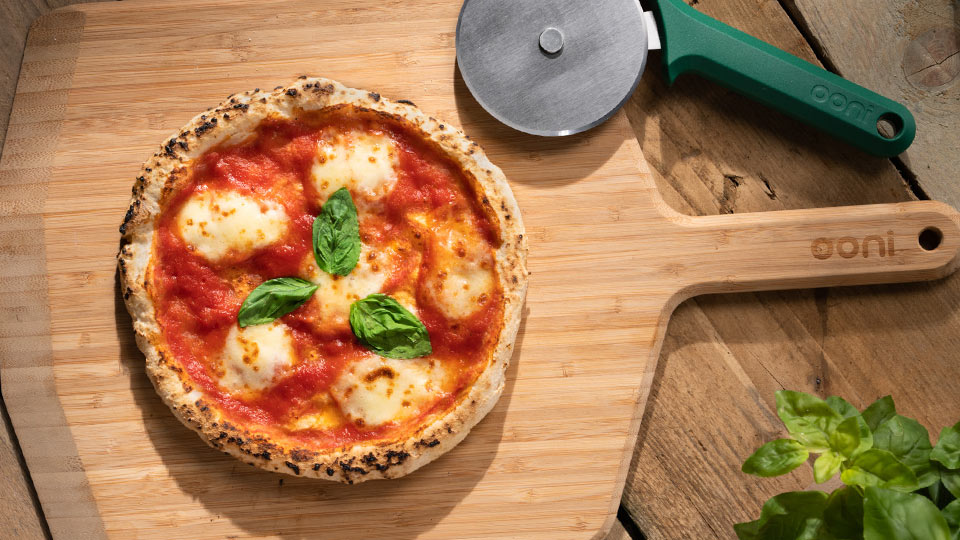
Credit: ooni.com
Frequently Asked Questions
What Are 5 Ways To Prevent Cross Contamination?
1. Wash hands and surfaces frequently with soap and water. 2. Keep raw foods separate from ready-to-eat items. 3. Use different cutting boards and utensils for raw and cooked foods. 4. Cook foods to their safe internal temperatures. 5. Store raw foods below ready-to-eat foods in the fridge.
What Are The 4 C’s Of Cross Contamination?
The 4 C’s of cross contamination are: Cleaning hands and surfaces, separating raw and cooked foods, cooking to safe temperatures, and proper food storage.
How To Prevent Cross Contamination When Cooking Food?
Wash hands and surfaces often. Use separate cutting boards and utensils for raw and cooked foods. Cook to safe temperatures. Store raw foods below ready-to-eat items. Clean and sanitize all equipment thoroughly to prevent cross-contamination.
Which Food Safety Practice Prevents Cross Contamination?
Prevent cross-contamination by washing hands and surfaces, using separate utensils for raw and cooked foods, cooking to safe temperatures, and storing raw foods below ready-to-eat items.
Conclusion
Preventing cross-contamination with pizza accessories keeps food safe and tasty. Always clean hands and surfaces before use. Separate raw ingredients from cooked foods carefully. Use different boards and utensils for each type. Store raw items below ready-to-eat foods in the fridge.
Cook pizza toppings to proper temperatures every time. Regular cleaning stops bacteria from spreading. These simple steps protect your health and improve kitchen safety. Safe pizza making starts with smart habits. Stay mindful and enjoy your meal without worry.

As the author of the “Ultimate Pizza Guide: Recipes, Tips & Secrets Revealed,” I’m dedicated to sharing my love for pizza and empowering others to create delicious homemade pizzas with ease. Join me on a journey to uncover the secrets to perfecting your pizza game!


