When you serve a delicious pizza, the last thing you want to worry about is the safety of the board it’s served on. But did you know that the material of your pizza serving board can affect not just the look and feel of your meal, but also your health?
Choosing the right material is key to keeping your food safe from harmful bacteria and protecting your knives. You’ll discover which pizza serving board materials are the safest, why some common options can be risky, and how simple care tips can make a big difference.
Ready to make your pizza nights safer and more enjoyable? Keep reading to find out what you need to know!
Safe Materials For Pizza Boards
Choosing the right material for your pizza serving board is important for safety and hygiene. Some materials naturally resist bacteria and last longer. This section covers the safest options for pizza boards. These materials protect your food and keep your kitchen clean.
Hardwoods: Maple, Walnut, Cherry, Teak
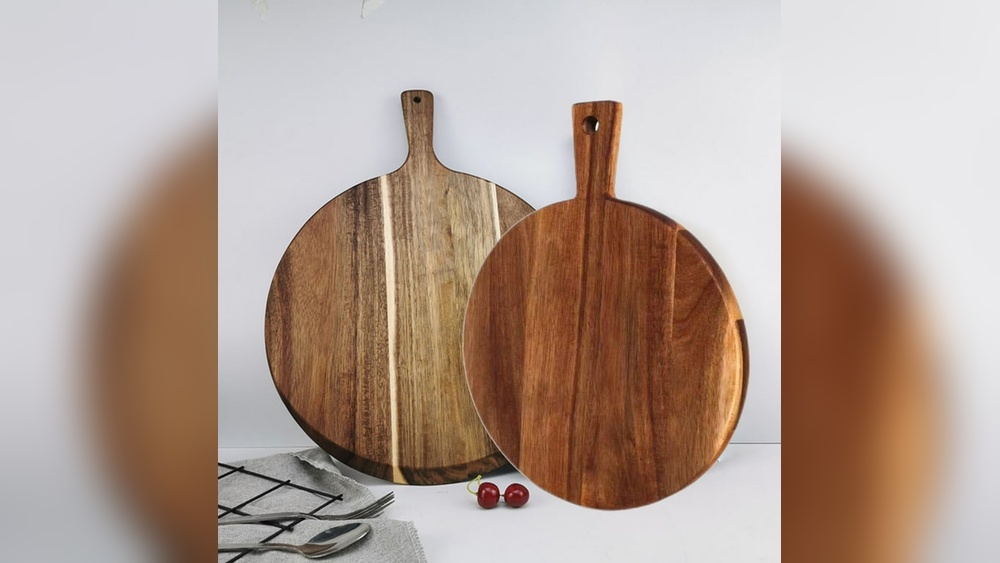
Hardwoods like maple, walnut, cherry, and teak are popular for pizza boards. They have tight grains that absorb moisture slowly. This helps kill bacteria inside the wood. These woods are durable and gentle on knife edges. They also resist deep cuts that trap germs. Regular oiling keeps these boards in good condition. Proper care makes hardwood boards safe and long-lasting.
Bamboo Benefits
Bamboo is a strong and eco-friendly choice. It grows fast and renews quickly. Bamboo has natural antibacterial properties, which reduce germs on the surface. It is harder than many woods, so it can last long. However, bamboo can dull knives faster than hardwood. It is less porous than wood, which helps stop bacteria from hiding. Bamboo boards need occasional oiling to prevent cracking.
Hdpe Plastic Features
HDPE plastic is a safe, non-porous material. It does not absorb liquids or bacteria. This makes it easy to clean and sanitize. HDPE boards can go in the dishwasher for thorough cleaning. They are a good choice for raw meat and other risky foods. Unlike wood, plastic can develop deep cuts over time. These cuts may trap bacteria if not replaced. HDPE boards are lightweight and affordable for many kitchens.

Credit: www.cart2india.com
Materials To Avoid
Choosing the right material for your pizza serving board is important for safety and durability. Some materials may look nice but cause problems over time. Avoiding unsafe materials helps keep your food clean and your knives sharp. Below are materials you should avoid for pizza serving boards.
Glass And Stone Drawbacks
Glass and stone boards are hard and easy to clean. They do not absorb moisture or bacteria. But they have serious downsides. Both materials can quickly dull your knives. The hard surface damages knife edges with every cut. This makes slicing pizza less smooth and more difficult.
Also, glass and stone can break or chip easily. Small chips may fall into your food, causing a safety risk. The heavy weight of stone boards makes them hard to handle. These factors make glass and stone poor choices for serving pizza.
Softwoods And Composite Risks
Softwoods like pine or cedar are gentle on knives but not safe for food. They can develop deep cuts from pizza knives. These cuts trap bacteria and are hard to clean properly. Softwoods also absorb moisture, causing the board to warp or crack.
Composite boards often use glue or chemicals. These substances can leach into your food over time. Some composites do not hold up well after washing. They may break down or lose their finish quickly. Softwoods and composites pose risks to both health and board lifespan.
Maintenance Tips
Proper maintenance keeps your pizza serving board safe and lasting longer. Each material needs special care to stay clean and hygienic. Follow these simple tips for best results.
Cleaning And Oiling Wood Boards
Wash wooden boards with warm water and mild soap right after use. Avoid soaking or putting them in the dishwasher. Dry the board thoroughly to stop warping or cracking.
Apply food-safe mineral oil once a month to keep wood from drying out. Rub oil evenly and let it soak overnight. This protects the board and helps prevent bacteria growth.
Sanitizing Plastic Boards
Plastic boards can go in the dishwasher for easy sanitizing. Use hot water and a strong detergent to remove germs. If washing by hand, scrub with soap and rinse well.
Use a solution of one tablespoon bleach in one gallon of water for deep cleaning. Let the board air dry completely before storing it.
Avoiding Cross-contamination
Use separate boards for raw meats and vegetables to stop germs from spreading. Label boards or use different colors for each type of food.
Clean boards immediately after cutting raw meat to reduce bacteria risk. Always wash your hands before and after handling food on the board.

Credit: www.walmart.com
Health Concerns
Choosing the right pizza serving board involves more than looks. Health concerns play a big role. Some materials may harbor germs or release harmful particles. Understanding these risks helps keep your food safe and tasty.
Bacteria And Antimicrobial Properties
Some board materials fight bacteria naturally. Hardwoods like maple and teak absorb moisture, killing germs inside. Bamboo also has natural antibacterial traits. These woods reduce the chance of harmful bacteria growing.
Plastic boards can trap bacteria in tiny cuts and grooves. These areas are hard to clean and can spread germs. Using boards that resist bacteria helps protect your health.
Microplastic Contamination
Plastic boards may shed tiny particles called microplastics. These microplastics can mix with your food. Over time, eating microplastics could affect your health negatively.
Boards with deep scratches release more microplastics. Choosing durable materials and replacing worn boards limits this risk. Opt for high-quality, food-safe materials for safer meals.
Choosing The Right Board
Choosing the right pizza serving board matters for safety and food quality. Different materials affect hygiene, knife care, and environmental impact. Picking a board that fits your needs helps keep food safe and tasty.
Consider Knife Friendliness
Some boards protect knife edges better than others. Hardwoods like maple and walnut are gentle on blades. They prevent dulling and extend knife life. Avoid glass or stone boards. They look nice but damage knives quickly. Bamboo can dull knives faster than hardwood but still offers good protection.
Sustainability Factors
Eco-friendly materials reduce environmental harm. Bamboo grows fast and is renewable. Hardwood boards last long and can be refinished. Plastic boards may last but come from non-renewable sources. Choose boards made with sustainable practices. This helps lower your kitchen’s carbon footprint.
Usage For Raw Meats Vs. Produce
Separate boards for raw meats and produce prevent cross-contamination. Plastic boards are easy to sanitize and good for raw meat. Wood boards absorb bacteria less over time if well maintained. Always clean boards thoroughly after use. Using dedicated boards keeps food safe and avoids illness.

Credit: www.amazon.com
Frequently Asked Questions
What Is The Safest Material For A Food Cutting Board?
The safest cutting boards are hardwoods like maple, walnut, and teak, plus bamboo and HDPE plastic. Hardwoods naturally kill bacteria and preserve knives. Bamboo is antibacterial but dulls knives faster. HDPE plastic is non-porous and dishwasher-safe, ideal for raw meat to prevent cross-contamination.
What Is The Fda Approved Material For Cutting Boards?
The FDA approves High-Density Polyethylene (HDPE) plastic for cutting boards. Hardwood like maple and walnut are also safe, natural choices.
Do Plastic Cutting Boards Get Microplastics In Food?
Plastic cutting boards can develop deep cuts that shed microplastics into food. Regular replacement and cleaning reduce risks.
Are Titanium Cutting Boards Safe For Your Health?
Titanium cutting boards are non-toxic and durable but rarely used. They do not absorb bacteria, making them safe for food prep. However, they can dull knives faster than wood or plastic boards. Proper cleaning ensures health safety with any cutting board material.
Conclusion
Choosing the right pizza serving board matters for health and taste. Hardwoods like maple and walnut offer natural protection against bacteria. Bamboo is eco-friendly but may dull knives faster. HDPE plastic boards clean well and prevent cross-contamination, especially with raw meat.
Avoid glass or softwood boards as they harm knives or trap germs. Regular cleaning and proper use keep boards safe and lasting longer. Separate boards for different foods help stop bacteria spread. Pick a board that fits your needs and maintain it well for safe pizza serving.

As the author of the “Ultimate Pizza Guide: Recipes, Tips & Secrets Revealed,” I’m dedicated to sharing my love for pizza and empowering others to create delicious homemade pizzas with ease. Join me on a journey to uncover the secrets to perfecting your pizza game!