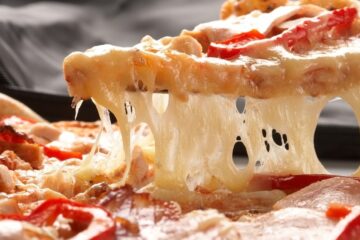
How often should you enjoy pizza each week without harming your health? If you love pizza but worry about overindulging, you’re not alone.
Finding the right balance between savoring your favorite slices and maintaining a healthy diet can be tricky. This guide will help you understand the recommended pizza intake, how to make smarter choices, and tips to keep your weekly pizza habit both satisfying and guilt-free.
Ready to discover how to enjoy pizza the right way? Keep reading to unlock simple, practical advice tailored just for you.
Weekly Pizza Limits
Eating pizza is a favorite for many people. Yet, it is important to control how much pizza you eat each week. Too much pizza can harm your health. Setting a weekly limit helps keep your diet balanced and healthy. This section explains how much pizza you should eat weekly for good health.
Pizza is delicious but often high in calories, fat, and sodium. Eating it in the right amount protects you from health problems. Learn the recommended serving sizes and how to balance pizza frequency with health.
Recommended Serving Sizes
The typical serving size is one to two slices per meal. This amount fits most adults’ daily calorie needs. Children and smaller adults may need less. One slice contains about 200 to 300 calories, depending on toppings and crust. Thin crust pizzas usually have fewer calories than deep-dish pizzas.
Try to avoid eating an entire pizza in one sitting. Eating large amounts can lead to overeating and weight gain. Stick to the recommended serving size to enjoy pizza without guilt.
Balancing Frequency And Health
Eating pizza once or twice a week is reasonable for most people. More frequent eating may raise risks of high blood pressure and heart disease. Choose healthier toppings like vegetables and lean proteins. Avoid processed meats and extra cheese to reduce fat and sodium intake.
Pair pizza with a salad or fresh vegetables to add fiber and nutrients. Drinking water instead of sugary drinks also helps balance your meal. Moderation and smart choices make pizza a part of a healthy diet.
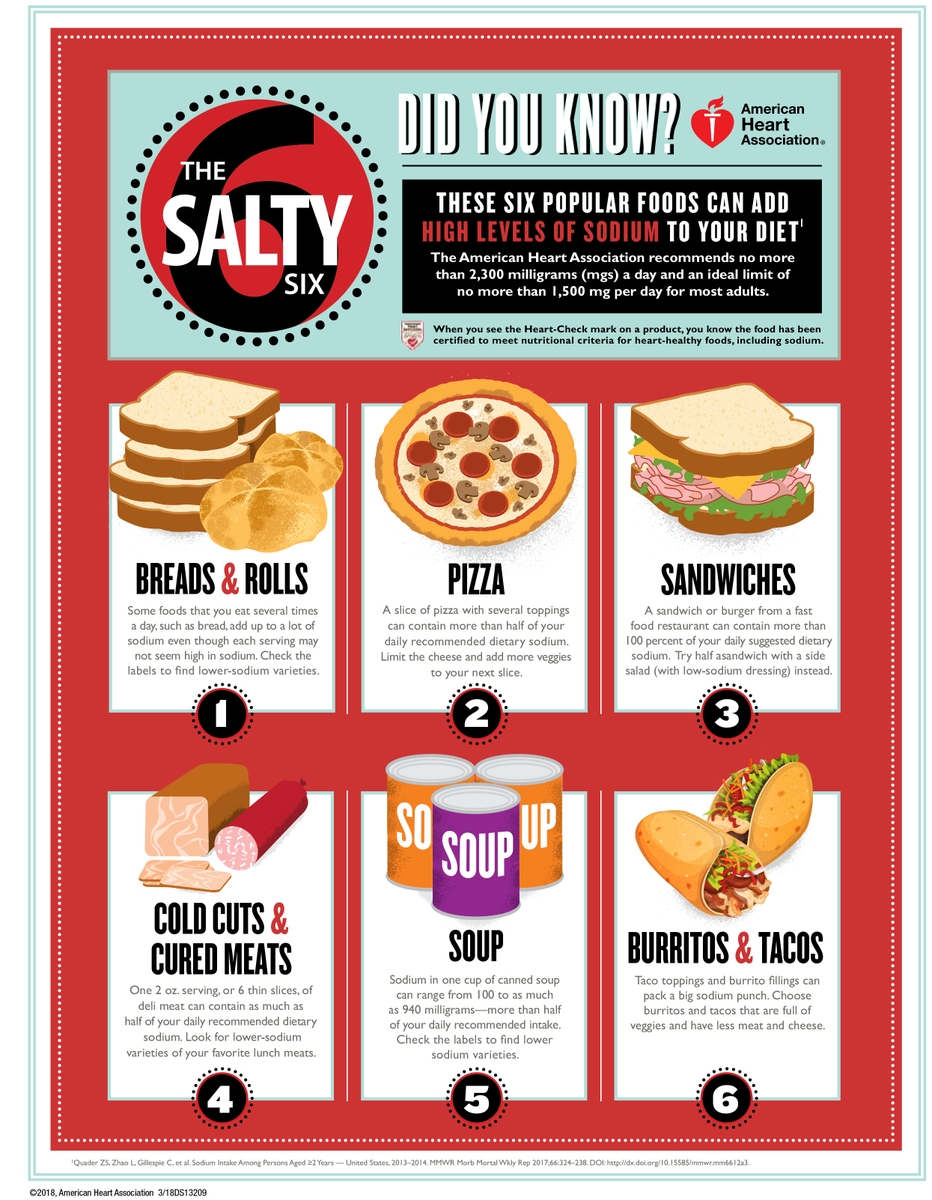
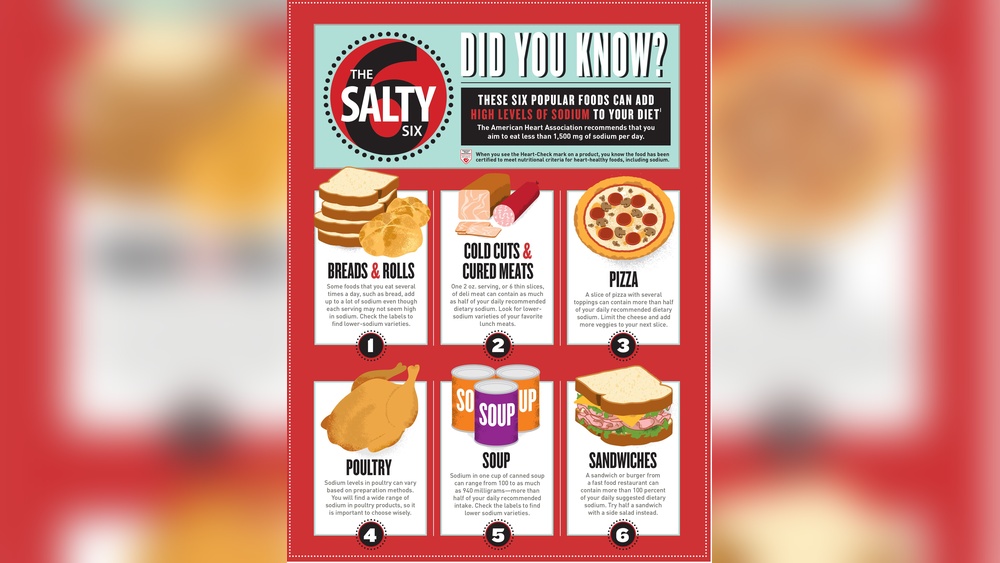
Credit: newsroom.heart.org
Nutritional Breakdown
Understanding the nutritional breakdown of pizza helps manage weekly intake better. Pizza contains calories, macronutrients, sodium, and fat, which affect health. Knowing these details guides how often to enjoy pizza without harming well-being.
Portion control and ingredient choices impact the overall nutrition of pizza meals. Different toppings and crust types change calorie and fat amounts. Being aware of these factors supports balanced eating habits.
Calories And Macronutrients
A single slice of pizza usually has 200 to 300 calories. The amount depends on size, crust, and toppings. Most calories come from carbohydrates in the crust and fat in the cheese.
Protein content varies, often between 8 to 12 grams per slice. Protein helps with muscle repair and keeps you full. Carbohydrates provide energy but should be balanced with activity levels.
Sodium And Fat Content
Pizza can be high in sodium, often containing 500 to 700 milligrams per slice. Too much sodium may raise blood pressure and increase heart disease risk.
Fat content ranges from 8 to 15 grams per slice, including saturated fats. Choosing lean toppings and less cheese lowers unhealthy fat intake. Watching fat and sodium helps maintain a healthier diet.
Choosing Healthier Options
Choosing healthier options for your weekly pizza intake can improve your diet without sacrificing taste. Small changes in crust, toppings, and cheese can lower calories and increase nutrients. Eating pizza wisely helps you enjoy it more often without guilt.
Thin Crust Vs. Deep Dish
Thin crust pizza has fewer calories and less fat than deep dish. It contains less dough, reducing carbohydrates and overall calories. Deep dish is thicker and heavier, often with more cheese and sauce. Choosing thin crust supports a lighter meal and better digestion.
Vegetable Toppings Benefits
Vegetables add vitamins, fiber, and antioxidants to your pizza. Options like spinach, peppers, mushrooms, and tomatoes boost nutrition. They add flavor and texture without extra fat or calories. Vegetables help you feel full longer and improve heart health.
Lower Fat Cheese Alternatives
Using lower fat cheeses reduces saturated fat and calories. Options include part-skim mozzarella or reduced-fat cheddar. These cheeses melt well and keep pizza creamy. Less fat cheese supports better cholesterol levels and overall health.
Portion Control Tips
Eating pizza is enjoyable but controlling portions helps keep your diet balanced. Portion control stops overeating and supports your health goals. Small changes in how much pizza you eat can make a big difference.
Below are simple tips to help manage your pizza intake each week without losing the fun of eating it.
How Many Slices To Eat
Limit your pizza to one or two slices per meal. This amount fits well within a balanced diet for most people. Choose thinner crusts to reduce calories and feel full faster. Adding vegetables as toppings increases nutrients and fiber. Avoid extra cheese or heavy meats to keep slices lighter. Eat slowly to enjoy each bite and notice when you feel satisfied.
Avoiding Whole Pizza Consumption
Eating a whole pizza alone can lead to excess calories and weight gain. Share pizza with family or friends to control portions naturally. If you must eat alone, save leftovers for another meal. Use smaller plates to trick your mind into feeling full sooner. Drink water before and during your meal to reduce hunger and prevent overeating. These habits help keep pizza a treat, not a health risk.
Meal Pairing Ideas
Pairing your pizza with the right foods helps create a balanced meal. Thoughtful meal pairing can reduce extra calories and boost nutrition. Choosing fresh and healthy sides complements your pizza well.
Simple additions make your meal more satisfying and less heavy. These ideas fit well with weekly pizza intake recommendations.
Adding Salads For Balance
Salads add crunch and freshness to pizza meals. Use leafy greens like spinach or arugula for vitamins and fiber. Add cucumbers, tomatoes, and carrots for color and nutrients.
Light dressings such as lemon juice or balsamic vinegar keep calories low. A salad helps balance the richness of cheese and dough. It also aids digestion and keeps you full longer.
Healthy Side Dishes
Choose sides rich in fiber and low in fat. Steamed vegetables like broccoli or green beans are great options. Roasted sweet potatoes add natural sweetness and vitamins.
Whole grain breadsticks or a small bowl of vegetable soup can also complement your pizza. These sides increase meal variety and improve overall nutrition. They keep your pizza night enjoyable without overloading calories.

Credit: www.thesun.co.uk
Pizza On Weight Loss Plans
Pizza is often seen as a diet enemy. Many think it cannot fit into weight loss plans. Yet, with smart choices, pizza can be part of a balanced diet. Understanding how to control portions and ingredients helps keep weight loss on track. This section explains how pizza fits into calorie control and diet customization.
Calorie Deficit And Pizza
Weight loss requires burning more calories than eaten. This is called a calorie deficit. Pizza can fit into this if you count its calories. A typical slice has around 250 to 300 calories. Eating one or two slices can fit in daily calorie limits. Avoid eating large amounts of high-calorie toppings. Balance pizza with low-calorie foods like vegetables. This keeps your total calorie intake low enough for weight loss.
Customizing Pizza For Diets
Changing pizza ingredients can lower calories and boost nutrition. Choose a thin crust instead of thick or deep-dish crusts. Use tomato sauce with no added sugar. Load pizza with vegetables like spinach, mushrooms, and peppers. Pick lean protein toppings such as grilled chicken instead of sausage or pepperoni. Ask for less cheese or use part-skim mozzarella. These changes reduce fat and calories. They make pizza healthier and easier to fit into a diet plan.
Pizza’s Nutritional Benefits
Pizza offers more than just great taste. It contains key nutrients that support your health. Understanding pizza’s nutritional benefits helps you enjoy it wisely. This knowledge guides your pizza weekly intake for balanced nutrition.
Sources Of Protein And Vitamins
Cheese is a rich source of protein and calcium. Protein helps build muscles and repair tissues. Calcium supports strong bones and teeth.
Tomato sauce provides vitamins like vitamin C and A. These vitamins boost your immune system and eye health. Some pizzas include lean meats, adding more protein.
Incorporating Nutrient-rich Toppings
Adding vegetables like spinach, peppers, and mushrooms increases fiber and vitamins. Fiber aids digestion and keeps you full longer. Vegetables add antioxidants that protect your body from damage.
Choosing lean meats or plant-based proteins improves nutrition. Avoid processed meats high in sodium and unhealthy fats. Using whole grain crusts adds more fiber and nutrients.
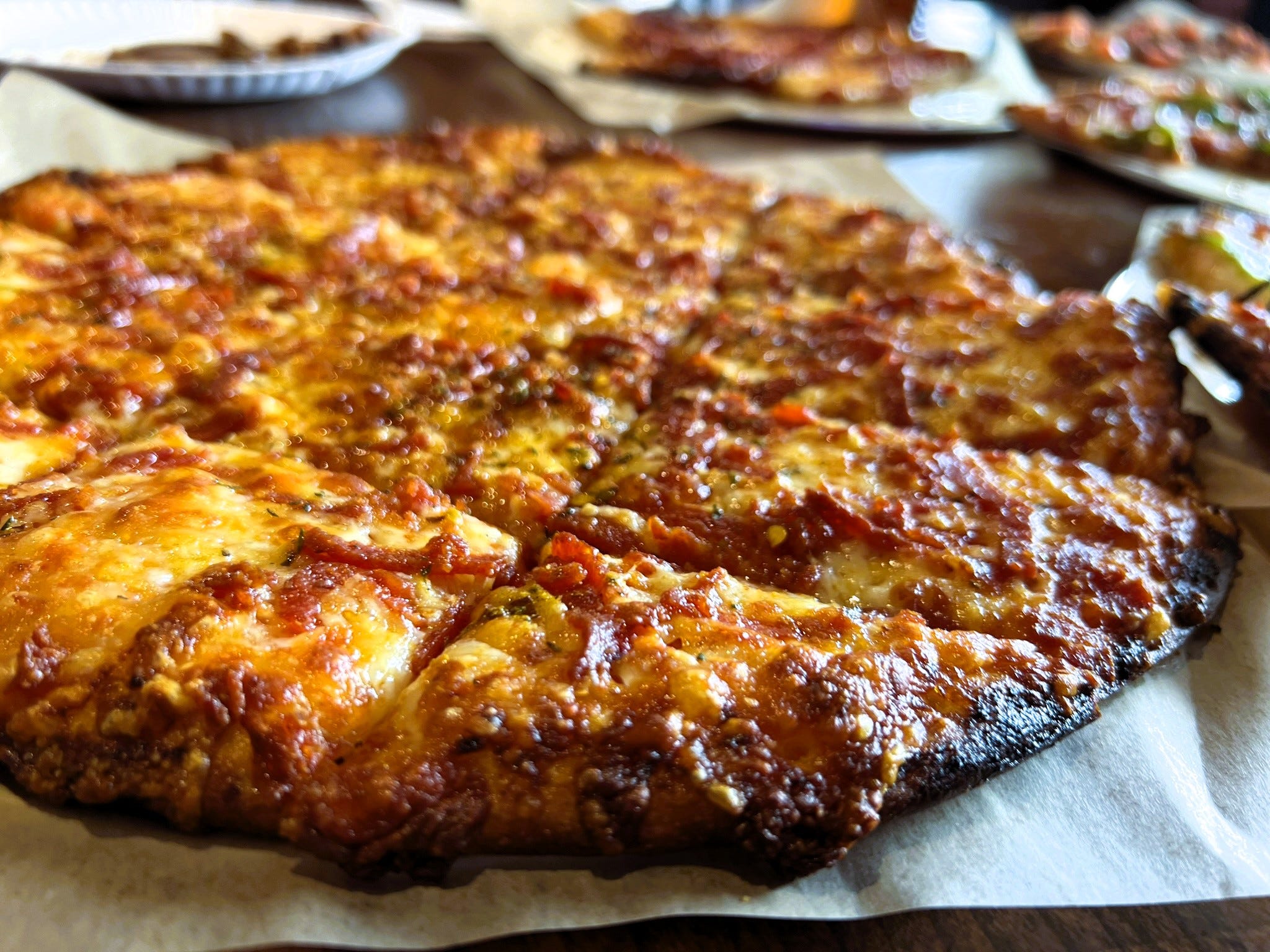
Credit: thefooddoodfeed.substack.com
Common Misconceptions
Many people believe pizza is always unhealthy and should be avoided. These ideas come from pizza’s reputation for being high in calories, fat, and sodium. This section will clear up common myths about pizza intake. Understanding these facts helps you enjoy pizza wisely.
Is Pizza Always Unhealthy?
Pizza can be healthy or unhealthy based on its ingredients. A pizza loaded with vegetables and lean proteins offers nutrients and fiber. Thin crust pizzas generally have fewer calories than thick crust or deep-dish types. Cheese adds calcium but can increase fat and calories. Choosing fresh toppings and moderate cheese makes pizza a better choice.
Pizza is not always a junk food. It depends on how you prepare and eat it. Homemade pizza lets you control the ingredients. Restaurants may use more oil, salt, and processed meats. Eating pizza occasionally can fit into a balanced diet.
Moderation Vs. Restriction
Eating pizza in moderation means enjoying it without overdoing it. One or two slices a week can satisfy cravings and keep health in check. Strictly restricting pizza can lead to cravings and overeating later.
Balance is key. Combine pizza with healthy sides like salad or steamed vegetables. Watch portion sizes to avoid excess calories. Moderation helps you maintain a healthy diet and still enjoy your favorite foods.
Frequently Asked Questions
How Often Should You Eat Pizza In A Week?
Eating pizza once or twice a week fits a balanced diet. Choose thin crust and veggie toppings for healthier options.
Is The 30 Minute Pizza Rule Real?
The 30-minute pizza rule was real, used by Domino’s for fast delivery. It ended due to safety concerns and legal issues. Some global franchises still offer similar guarantees with conditions or discounts, but free pizza delivery within 30 minutes no longer exists widely.
What Is A Healthy Amount Of Pizza To Eat?
A healthy pizza portion is one to two slices, preferably with thin crust and vegetable toppings. Eat pizza occasionally and balance with salads for better nutrition.
Can I Eat Pizza Once A Week On A Diet?
Eating pizza once a week fits a diet if you control portions and stay within calorie limits. Choose thin crust and veggie toppings for a healthier option.
Conclusion
Eating pizza once or twice a week fits most healthy diets. Choose thin crust and add vegetables for better nutrition. Limit processed meats and cheese to reduce calories and sodium. Pair pizza with a fresh salad to balance your meal.
Remember, pizza is a treat, not a daily food. Enjoy it mindfully to keep a healthy lifestyle. This simple approach helps you enjoy pizza without guilt or health risks.

As the author of the “Ultimate Pizza Guide: Recipes, Tips & Secrets Revealed,” I’m dedicated to sharing my love for pizza and empowering others to create delicious homemade pizzas with ease. Join me on a journey to uncover the secrets to perfecting your pizza game!