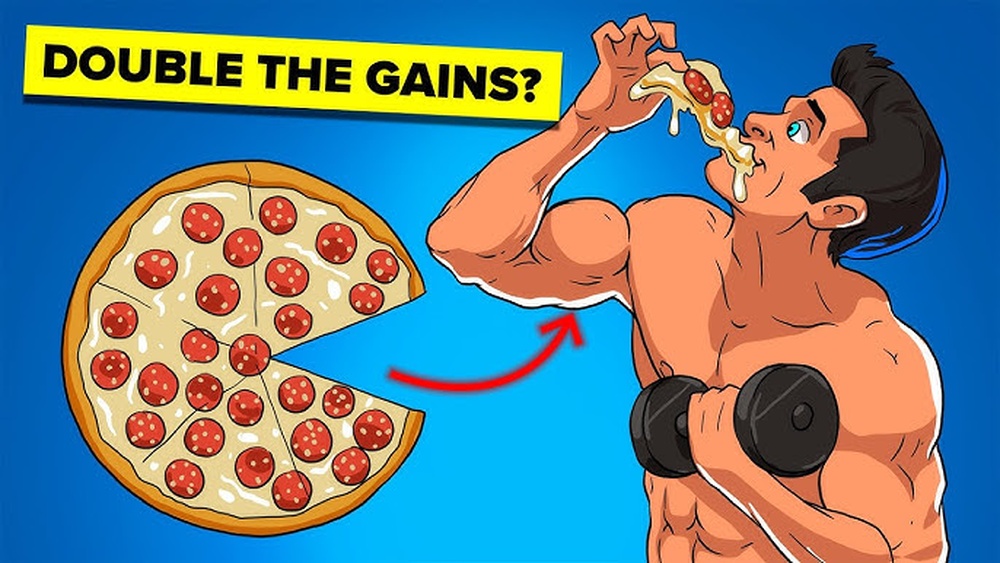
Are you wondering if pizza can fit into your muscle-building plan? You’re not alone.
Pizza is often seen as a guilty pleasure, full of empty calories and unhealthy fats. But what if it could actually help you build muscle? Imagine enjoying your favorite slice while fueling your gains. You’ll discover how pizza provides protein and energy, which are essential for muscle growth.
You’ll also learn how to make smarter pizza choices that support your fitness goals without sacrificing taste. Ready to find out if pizza can be part of your muscle-building journey? Keep reading!
Protein In Pizza
Pizza can be a source of protein, which is important for muscle building. Protein helps repair and grow muscles after workouts. Different ingredients in pizza contribute to its protein content. Understanding these can help you choose better options for muscle growth.
Cheese Varieties And Protein
Cheese is a main protein source in pizza. Mozzarella is the most common cheese on pizza. It provides about 7 grams of protein per ounce. Parmesan adds a sharp flavor and around 10 grams of protein per ounce. Ricotta is softer and contains about 14 grams of protein per half cup. Different cheeses offer different protein amounts and flavors. Choosing pizzas with more cheese can increase protein intake.
Meat Toppings As Protein Sources
Meat toppings add extra protein to pizza. Pepperoni and sausage are popular choices. They provide about 5 to 6 grams of protein per ounce. Chicken is a leaner option with roughly 9 grams of protein per ounce. Bacon adds flavor and around 6 grams of protein per ounce. Meat toppings help boost the protein content, aiding muscle repair and growth.
Protein Amounts In Typical Slices
A typical slice of cheese pizza contains about 8 to 12 grams of protein. Adding meat toppings can increase this to 12 to 15 grams per slice. Two slices can provide nearly a third of daily protein needs for many people. Pizza can fit into a muscle-building diet if chosen wisely. Portion control and topping selection are key to maximizing protein benefits.

Credit: www.liveleantv.com
Nutrients Supporting Muscle Growth
Muscle growth requires specific nutrients to build and repair tissues. Pizza contains several nutrients that support muscle building. Understanding these can help decide if pizza fits into a muscle-building diet.
The main nutrients to focus on include calories, carbohydrates, and protein. Each plays a unique role in muscle development and recovery.
Calorie Density For Surplus
Muscle building needs a calorie surplus, meaning you eat more calories than you burn. Pizza offers a dense source of calories in each slice. This makes it easier to reach the extra calories needed for growth. High calorie foods help fuel muscle gain but balance is key to avoid excess fat.
Carbohydrates For Energy
Carbohydrates provide energy during workouts. Pizza crust is rich in carbs that the body can quickly use. Energy from carbs allows longer and harder training sessions. Without enough carbs, muscles may feel tired and weak. Pizza’s carbs support sustained energy for lifting weights and recovery.
Role Of Protein In Repair
Protein repairs muscle fibers after exercise. Cheese and meat toppings on pizza supply quality protein. Protein is essential for muscle recovery and growth. Two slices of pizza can provide a decent amount of protein. Including pizza with other protein sources can help meet daily needs.
Balancing Pizza For Health
Pizza can fit into a muscle-building diet if balanced well. It offers protein and carbs, key for muscle repair and energy. But pizza often contains high fat and sodium, which can hinder health goals. Adjusting ingredients helps make pizza a healthier choice without losing taste.
Choosing Lean And Veggie Toppings
Pick lean meats like grilled chicken or turkey for protein. Avoid processed meats such as pepperoni or sausage to reduce saturated fat. Load the pizza with vegetables like spinach, peppers, and mushrooms. Veggies add fiber, vitamins, and minerals that support muscle growth and recovery.
Whole Wheat And Crust Options
Choose whole wheat or multigrain crusts for extra fiber and nutrients. These crusts digest slower, keeping energy steady during workouts. Thin crusts lower calories and carbs, helping control intake. Avoid deep-dish or stuffed crusts, which add unnecessary fat and calories.
Pairing Pizza With Nutrient-rich Foods
Serve pizza with a side salad rich in leafy greens for antioxidants. Add a small portion of fruit for natural vitamins and hydration. Include a protein shake or yogurt to boost muscle repair. These additions balance pizza’s nutrients and support overall health.

Credit: www.liveleantv.com
Potential Downsides
Pizza can be tempting after a tough workout. It offers protein, but it also has some downsides. These may affect muscle building and overall health. Understanding these issues helps you make smarter choices.
High Saturated Fat And Refined Carbs
Pizza often contains high saturated fat from cheese and processed meats. Too much saturated fat can slow muscle recovery. Refined carbs in the crust provide quick energy but lack fiber. This can cause blood sugar spikes and crashes.
Sodium Concerns
Pizza is usually high in sodium. Excess salt can raise blood pressure and cause water retention. This may lead to bloating and discomfort. For muscle builders, controlling sodium helps maintain better hydration and muscle function.
Impact On Inflammation And Recovery
Some pizza ingredients can increase inflammation in the body. Processed meats and high fat levels trigger this response. Inflammation can delay muscle recovery and growth. Choosing fresh toppings and moderate portions may reduce this risk.
Pizza Vs. Clean Bulking
Choosing between pizza and clean bulking raises important questions for muscle building. Pizza offers protein and calories but also contains fats and carbs that may affect muscle gain quality. Clean bulking focuses on nutrient-dense foods to build lean muscle with minimal fat. Understanding the risks of dirty bulking and smart strategies can help balance enjoyment and muscle growth.
Dirty Bulk Risks
Dirty bulking means eating high-calorie foods without focus on nutrition. Pizza often fits this category due to excess fat and sodium. This can lead to unwanted fat gain alongside muscle. Poor digestion and low energy levels may result. Over time, dirty bulking can harm heart health and reduce workout performance. Muscle gain may be less efficient with added fat.
Strategies For Lean Muscle Gain
Lean muscle gain requires balanced meals with protein, carbs, and healthy fats. Focus on whole foods like chicken, fish, vegetables, and whole grains. Control calorie intake to prevent excess fat storage. Prioritize nutrient timing around workouts for better recovery. Hydration and sleep also support muscle growth. Consistency in diet and exercise delivers the best results.
Incorporating Pizza Wisely
Pizza can fit into a clean bulking plan if chosen carefully. Opt for thin crust and whole grain bases to reduce empty carbs. Choose lean protein toppings like grilled chicken or vegetables. Limit cheese and processed meats to lower saturated fat intake. Pair pizza with a side salad or steamed veggies for added fiber and vitamins. Moderation is key; enjoy pizza as an occasional treat.

Credit: humankinetics.me
Practical Tips For Muscle Builders
Eating pizza while building muscle can work well with the right approach. Practical tips help balance pizza’s nutrition with muscle growth goals. Planning your pizza meals carefully ensures you get protein and energy without excess fat or empty calories.
Follow simple strategies to enjoy pizza and support your muscle-building efforts. These tips focus on choosing the right pizza, timing your meals, and combining pizza with other protein sources.
Smart Ordering Choices
Choose pizzas with lean protein toppings like grilled chicken or turkey. Avoid processed meats such as pepperoni and sausage. Select thin crust to reduce extra carbs and calories. Add vegetables like spinach, tomatoes, or peppers for vitamins and fiber. Skip extra cheese to lower saturated fat intake. These choices improve pizza’s nutritional value for muscle builders.
Meal Timing With Pizza
Eat pizza after workouts to fuel muscle recovery. Post-workout meals should include protein and carbs for energy and repair. Limit pizza intake before workouts to avoid feeling heavy. Balance pizza meals with lighter, protein-rich foods throughout the day. Proper timing helps your body use pizza nutrients effectively for muscle growth.
Combining With Other Protein Sources
Pair pizza with high-quality proteins like eggs, Greek yogurt, or lean meats. This boosts your total protein intake for muscle repair and growth. Include protein-rich snacks before or after pizza meals. Combining different protein sources ensures you meet daily muscle-building needs. Variety in protein helps your body build muscle more efficiently.
Frequently Asked Questions
Is Pizza Good For The Gym?
Pizza can fuel workouts by providing protein and carbs. Choose lean toppings and whole-grain crust for better gym support. Enjoy in moderation.
Can Pizza Be Good For Protein?
Yes, pizza can be a good protein source. Cheese and meat toppings provide significant protein for muscle repair. Choose lean meats and add vegetables for a healthier option. Balance pizza with other nutrient-rich foods to support muscle building effectively.
Is Pizza A Dirty Bulk?
Pizza can be part of a dirty bulk due to its high calories and fats. Choose lean toppings for cleaner gains.
What Kills Muscle Gains The Most?
Lack of proper nutrition and insufficient protein intake kill muscle gains the most. Overtraining and poor rest also hinder growth.
Conclusion
Pizza can provide good protein for muscle growth when chosen wisely. Cheese and lean meats add valuable protein to your meals. Adding vegetables boosts vitamins and fiber for better health. Watch out for extra fats, sodium, and carbs in some pizzas.
Balance pizza with other nutritious foods and regular exercise. Enjoy pizza as part of a varied diet, not the main source. This approach supports muscle building without harming overall health. Small changes make pizza a helpful, not harmful, muscle-building food.
As the author of the “Ultimate Pizza Guide: Recipes, Tips & Secrets Revealed,” I’m dedicated to sharing my love for pizza and empowering others to create delicious homemade pizzas with ease. Join me on a journey to uncover the secrets to perfecting your pizza game!