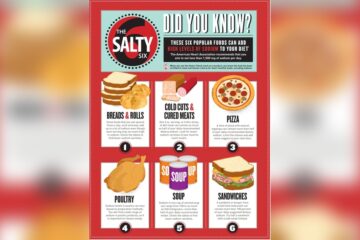
When you think of pizza, you probably imagine a delicious, satisfying meal. But have you ever wondered what pizza really does for your body beyond filling you up?
The truth is, pizza can be more than just comfort food—it can be a source of important micronutrients that your body needs every day. Whether you’re a pizza lover or simply curious about making smarter food choices, understanding how pizza contributes to your intake of vitamins and minerals can change the way you enjoy your favorite slice.
Ready to discover how pizza fits into your nutrition and how you can make it work for your health? Keep reading to unlock the surprising facts about pizza and micronutrient intake that might just transform your next meal.
Micronutrients In Pizza
Pizza can be more than just a tasty treat. It contains several important micronutrients that support health. The ingredients in pizza, such as cheese, tomato sauce, and vegetables, provide a range of vitamins and minerals. These nutrients help the body in many ways, from building strong bones to supporting the immune system. Understanding the micronutrients in pizza shows how it can fit into a balanced diet.
Protein And Calcium
Cheese on pizza is a good source of protein and calcium. Protein helps repair muscles and build tissues. Calcium strengthens bones and teeth. Both nutrients are essential for growing children and adults. A slice of pizza offers these nutrients in a simple, enjoyable form. This makes pizza a useful option for meeting daily protein and calcium needs.
Vitamins And Antioxidants
Tomato sauce is rich in vitamins like vitamin C and antioxidants such as lycopene. Vitamin C supports the immune system and skin health. Lycopene helps protect cells from damage and may reduce heart disease risk. These nutrients make pizza sauce more than just a flavor boost. They add valuable health benefits to every slice.
Carbohydrates And B Vitamins
The pizza crust provides carbohydrates, the body’s main energy source. It also contains B vitamins like thiamine and niacin. These vitamins help turn food into energy. They support brain function and keep the nervous system healthy. Whole grain or vegetable-based crusts increase these benefits by adding more nutrients and fiber.
Fiber And Minerals From Veggies
Vegetable toppings add fiber and minerals to pizza. Fiber aids digestion and helps maintain healthy blood sugar levels. Minerals like potassium and magnesium help control blood pressure and support muscle function. Popular toppings like spinach, peppers, and onions boost pizza’s nutritional value. Including more veggies makes pizza a healthier and more balanced meal choice.
Nutritional Challenges
Pizza offers some essential nutrients but poses several nutritional challenges. These challenges affect its role in a balanced diet and micronutrient intake. Understanding these issues helps in making smarter food choices.
The main concerns include high levels of sodium and saturated fat, along with calorie-dense portions. These factors can impact heart health and weight management. Awareness of these elements is crucial for healthier pizza consumption.
High Sodium And Saturated Fat
Many pizzas contain processed meats and extra cheese. These ingredients raise sodium and saturated fat levels significantly. High sodium intake can increase blood pressure and risk of heart disease. Saturated fats can raise bad cholesterol levels. Both are linked to cardiovascular problems. Limiting these components is important for maintaining good health.
Calorie Density In Portions
Pizza portions often pack many calories in a small serving. Thick crusts, extra cheese, and rich toppings add to the calorie load. Large or deep-dish pizzas contain even more calories. Eating high-calorie meals frequently may lead to weight gain. Controlling portion size helps manage calorie intake effectively.
Healthier Crust Options
Choosing the right pizza crust can improve your micronutrient intake. Healthier crust options offer more fiber, vitamins, and minerals. They help balance the meal and support digestion. These crusts also reduce empty calories and unhealthy fats. Exploring alternatives to traditional crusts adds variety and nutrition to your pizza.
Whole-wheat And Thin Crusts
Whole-wheat crust contains more fiber than white flour crust. Fiber aids digestion and keeps blood sugar steady. It also provides B vitamins and minerals like iron and magnesium. Thin crusts lower calorie intake by using less dough. They help reduce carbohydrates while keeping the pizza satisfying. Both options support better nutrient absorption and overall health.
Cauliflower Crust Benefits
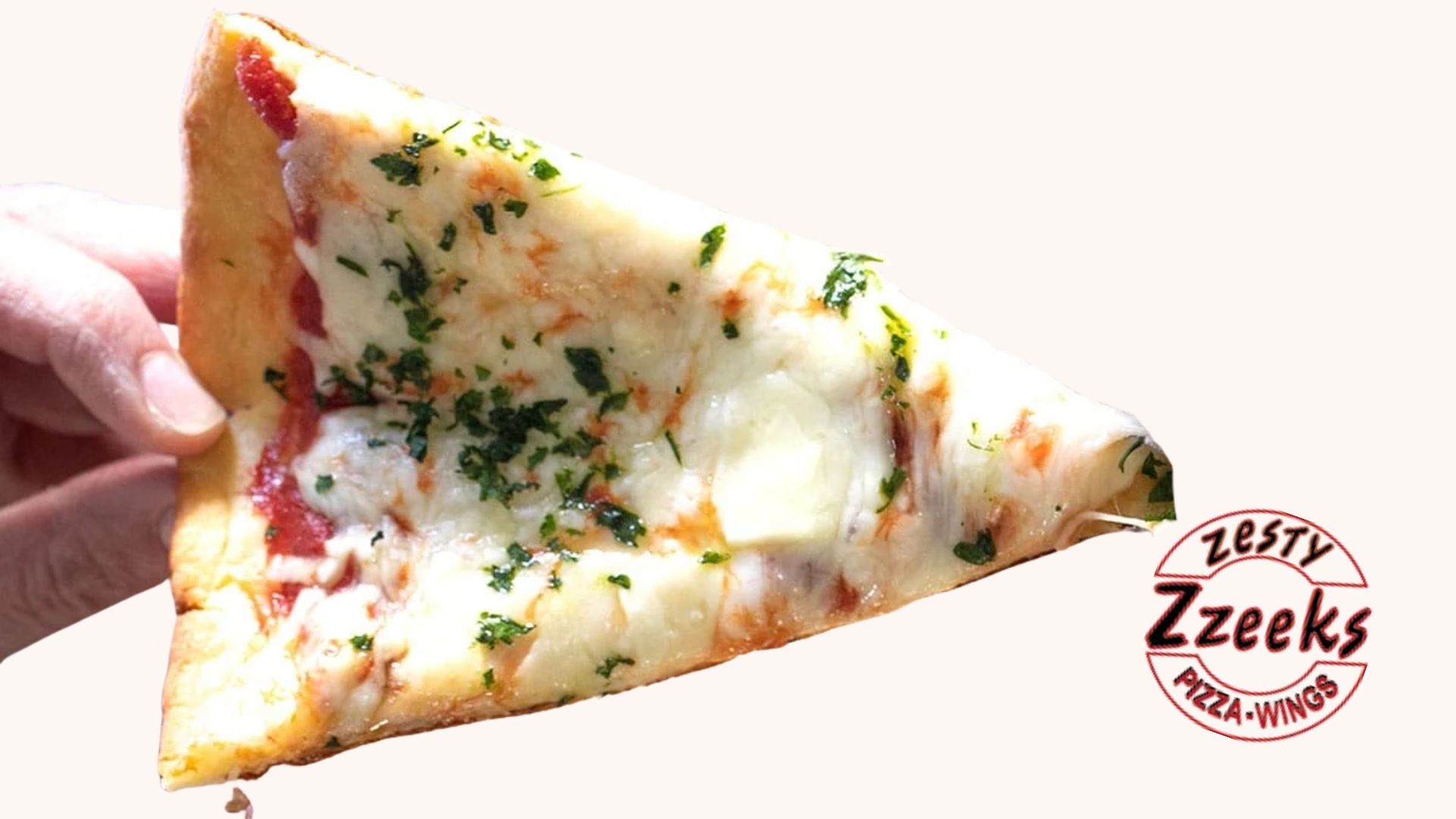
Cauliflower crust is a low-carb alternative rich in vitamins C and K. It contains antioxidants that protect cells from damage. This crust is gluten-free, suitable for sensitive diets. It adds extra fiber and helps increase vegetable intake. Cauliflower crust lowers calories and boosts micronutrients. It makes pizza a more balanced and nutrient-dense meal.
Credit: zzeeks.com
Smart Toppings Choices
Choosing smart toppings for your pizza can boost its nutrient value without adding extra calories. Thoughtful toppings provide vitamins, minerals, and protein that support your health. Focus on fresh ingredients that add flavor and nutrition.
Vegetable Toppings For Nutrients
Vegetables add fiber, vitamins, and antioxidants to pizza. Options like spinach, bell peppers, and tomatoes are rich in vitamin C and A. Mushrooms offer vitamin D and minerals. Adding veggies also helps reduce calorie density.
Lean Protein Additions
Lean proteins help build muscles and keep you full longer. Grilled chicken, turkey, or shrimp work well on pizza. These proteins have less fat than processed meats like pepperoni. They provide essential nutrients like iron and zinc.
Managing Cheese Quantity
Cheese offers calcium and protein but can be high in fat and calories. Use moderate amounts to enjoy its benefits without overdoing it. Choose part-skim or light cheese varieties for a healthier option.
Balancing Energy And Nutrition
Balancing energy and nutrition is key when enjoying pizza. Pizza provides energy mainly from carbohydrates and fats. At the same time, it can supply important micronutrients like calcium, vitamins, and antioxidants. The challenge lies in managing portion sizes and ingredient choices to keep meals nourishing without excess calories. Thoughtful planning allows you to enjoy pizza while supporting your body’s nutrient needs and energy balance.
Portion Control Strategies
Start with smaller slices to avoid overeating. Eating slowly helps recognize fullness signals. Pair pizza with a side salad to increase volume without many calories. Limit high-fat toppings like extra cheese and processed meats. Use thinner crusts to reduce calorie intake. These simple steps keep energy intake balanced and prevent nutrient overload.
Combining Nutrient-rich Ingredients
Choose whole-grain or vegetable-based crusts for more fiber and vitamins. Load pizza with colorful vegetables such as spinach, peppers, and tomatoes. Add lean proteins like grilled chicken or turkey to boost protein without added fat. Use moderate amounts of cheese to get calcium and protein. Tomato sauce provides vitamin C and lycopene, a strong antioxidant. Mixing these ingredients enhances micronutrient intake and balances energy.

Credit: www.cbc.ca
Antioxidants And Heart Health
Antioxidants help protect the heart by reducing damage to blood vessels. They fight harmful molecules called free radicals. This lowers the risk of heart disease. Pizza contains antioxidants, mainly from its tomato sauce and toppings. These antioxidants support heart health by lowering inflammation and improving blood flow.
Eating foods rich in antioxidants can help maintain a healthy heart. Pizza with a good balance of ingredients can contribute to this benefit. The tomato sauce and some vegetables on pizza provide key antioxidants that promote cardiovascular health.
Lycopene In Tomato Sauce
Lycopene is a powerful antioxidant found in tomato sauce. It gives tomatoes their bright red color. Lycopene helps reduce cholesterol and lowers blood pressure. Studies show it can protect the heart by preventing artery damage. Cooking tomatoes, like in pizza sauce, increases lycopene absorption. This makes pizza a tasty way to get heart-healthy lycopene.
Vitamin C Contributions
Vitamin C is another important antioxidant in pizza. It is present in tomato sauce and some vegetable toppings. Vitamin C helps protect blood vessels and reduces inflammation. This vitamin also supports the immune system. Eating pizza with fresh vegetables boosts vitamin C intake. This strengthens heart health and overall wellness.
Pizza Myths And Facts
Pizza often gets a bad reputation for being unhealthy. Many believe it is just empty calories and fat. This view misses the true nutritional value pizza can offer. Understanding the myths and facts helps us see pizza in a new light.
Pizza can be part of a balanced diet if chosen wisely. The ingredients provide important micronutrients. Let’s explore common misconceptions and reveal the real nutritional benefits.
Common Misconceptions
People think pizza is only junk food. They imagine it full of grease and processed meat. Another myth is that pizza lacks vitamins and minerals. Many believe it only adds empty calories to the diet. Some say pizza is bad for heart health because of its fat and sodium. These ideas create a negative image without considering the full facts.
Nutritional Benefits Revealed
Pizza contains protein and calcium from cheese. These support strong bones and muscle health. The tomato sauce offers vitamin C and lycopene. Lycopene is an antioxidant that helps protect the heart. The crust provides carbohydrates and B vitamins. These give energy and support metabolism. Adding vegetables boosts fiber, vitamins, and minerals. Lean meats add protein without excess fat. Choosing whole-grain or veggie crusts increases fiber intake. Overall, pizza can supply key micronutrients when made with healthy ingredients.
Credit: www.cleaneatzkitchen.com
Frequently Asked Questions
Does Pizza Have Micronutrients?
Yes, pizza contains micronutrients like calcium, vitamin C, lycopene, B vitamins, and minerals from cheese, sauce, crust, and toppings.
Does Pizza Have Any Nutritional Benefit?
Pizza provides protein, calcium, vitamins, and antioxidants from cheese and tomato sauce. Whole-grain crusts and veggies add fiber and nutrients. Choose lean toppings and control portions to reduce sodium, saturated fat, and calories for a healthier option.
What Nutrients Do I Get From Pizza?
Pizza provides protein and calcium from cheese, carbohydrates and B vitamins from crust, vitamins C and lycopene from tomato sauce, plus fiber and minerals from vegetable toppings.
What Does Eating A Lot Of Pizza Do To Your Body?
Eating a lot of pizza can increase calorie, sodium, and saturated fat intake, raising risks of weight gain and heart issues. Excess cheese and processed meats add unhealthy fats. Choose veggie toppings and whole-grain crusts to improve nutrition and balance energy with essential vitamins and minerals.
Conclusion
Pizza can provide important micronutrients like calcium, vitamin C, and fiber. Choosing whole-grain crusts and vegetable toppings boosts nutrition. Limiting processed meats helps reduce sodium and fat intake. Portion control keeps calories in check. Enjoying pizza mindfully supports a balanced diet.
Small changes make pizza a healthier option. Nutrition matters, even in comfort foods.

As the author of the “Ultimate Pizza Guide: Recipes, Tips & Secrets Revealed,” I’m dedicated to sharing my love for pizza and empowering others to create delicious homemade pizzas with ease. Join me on a journey to uncover the secrets to perfecting your pizza game!