Are you a pizza lover wondering if your favorite slice can also boost your calcium intake? You might be surprised to learn that pizza, especially with its cheesy goodness, can be a tasty source of calcium—an essential mineral for strong bones and healthy muscles.
But it’s not just about eating pizza; it’s about understanding how your choices impact calcium absorption and overall bone health. You’ll discover how pizza fits into your calcium needs, what foods can help or hinder calcium absorption, and simple tips to make every bite count toward a healthier you.
Ready to enjoy pizza without guilt while supporting your body’s calcium intake? Let’s dive in!
Pizza As A Calcium Source
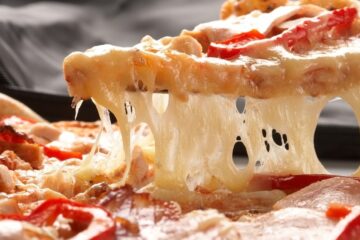
Pizza offers more than just great taste. It can also be a source of calcium, an essential mineral for strong bones and teeth. Many pizzas contain cheese, which is rich in calcium. Eating pizza can contribute to your daily calcium needs, depending on the type and amount of cheese used.
Role Of Cheese In Calcium Intake
Cheese is the main source of calcium in most pizzas. It contains high levels of calcium that help build and maintain bone health. Mozzarella, the common pizza cheese, provides about 200 mg of calcium per ounce. This amount meets a significant part of the daily calcium requirement for children and adults.
Besides calcium, cheese also supplies protein and vitamins. These nutrients work together to support muscle strength and overall health. The calcium from cheese is easy for the body to absorb, making pizza a convenient way to get this mineral.
Calcium Levels In Different Pizza Types
Not all pizzas have the same calcium content. The amount depends on the type of cheese and other ingredients used. For example, a cheese-heavy pizza like four-cheese or deep-dish usually contains more calcium than a vegetable or meat-topped pizza with less cheese.
Thin-crust pizzas often have less cheese and thus lower calcium levels. Pizzas made with low-fat or vegan cheese alternatives may provide less calcium compared to traditional cheese. Checking the nutrition label or asking about ingredients can help you choose pizzas higher in calcium.

Credit: www.totinos.com
Calcium’s Role In Bone Health
Calcium plays a vital role in keeping our bones strong and healthy. It is the main mineral that builds bone structure. Without enough calcium, bones can become weak and brittle. Eating foods rich in calcium helps maintain bone density and reduces the risk of fractures. Pizza, with its cheese topping, can be a tasty source of calcium. Understanding calcium’s role helps us make better food choices to protect our bones.
How Calcium Strengthens Bones
Calcium is the building block of bones. It forms a hard structure called hydroxyapatite. This mineral makes bones dense and strong. Bones constantly break down and rebuild. Calcium is needed for this process. It helps repair tiny cracks in bones. Without enough calcium, bones lose density and become fragile. Strong bones support the body and protect organs. Calcium intake is crucial during childhood and old age. It supports growth and prevents bone diseases like osteoporosis.
Protein And Muscle Benefits From Cheese
Cheese is rich in protein as well as calcium. Protein helps build and repair muscles. Strong muscles support bones and improve movement. Eating cheese on pizza provides both calcium and protein. This combination supports bone and muscle health. Protein also helps the body absorb calcium better. Muscle strength reduces the risk of falls and fractures. Including cheese in meals can improve overall bone and muscle function. A balanced diet with calcium and protein promotes healthy aging.
Foods That Reduce Calcium Absorption
Some foods can lower how much calcium your body absorbs. This affects bone health and strength. Knowing these foods helps you make better choices with your meals, including pizza. Certain compounds and ingredients bind calcium or cause your body to lose it more quickly.
Understanding these effects can improve your calcium intake from foods like cheese on pizza. Keep an eye on what you eat alongside calcium-rich foods to get the best benefits.
Impact Of Oxalates And Phytates
Oxalates and phytates are natural substances in some plants. Oxalates are found in spinach, beet greens, and rhubarb. Phytates appear in whole grains, beans, nuts, and soy products.
These compounds bind calcium in the gut. This binding stops calcium from entering your bloodstream. Eating foods high in oxalates or phytates at the same time as calcium-rich foods can reduce calcium absorption.
Effects Of High Sodium And Caffeine
High salt intake causes your body to lose calcium through urine. Processed foods, canned goods, and salty snacks often have a lot of sodium. Too much caffeine from coffee, tea, and sodas also lowers calcium absorption.
Caffeine increases calcium loss and can weaken bones over time. Limiting salt and caffeine helps your body keep more calcium from your diet.
Influence Of Excess Animal Protein
Eating large amounts of meat raises acid levels in your body. Your body uses calcium to neutralize this acid. This process makes you lose calcium faster.
Too much animal protein can increase your daily calcium needs. Balancing meat with calcium-rich foods ensures better bone health.

Credit: www.stresslesscamping.com
Balancing Pizza In A Healthy Diet
Pizza can fit into a healthy diet when balanced well. It often contains cheese, a good source of calcium. Calcium helps keep bones strong and muscles healthy. Eating pizza with attention to portion and food choices supports overall nutrition.
Balancing pizza means enjoying it without overdoing calories or missing key nutrients. Choosing the right sides and controlling serving sizes matter. This approach lets you enjoy pizza while supporting your calcium needs.
Managing Portion Sizes
Keep pizza portions moderate to control calorie intake. Eating one or two slices is enough for most meals. Overeating pizza can add too much fat and salt. Smaller portions help balance pizza with other healthy foods. Listen to your hunger and stop when full.
Combining Pizza With Calcium-friendly Foods
Pair pizza with vegetables like broccoli or kale for extra calcium. These greens add vitamins and fiber to your meal. Choose a side salad with leafy greens to boost calcium intake. Drink milk or fortified plant milk alongside pizza. This combination supports bone health and nutrient balance.
Tips To Maximize Calcium Intake
Maximizing calcium intake helps keep bones strong and supports muscle function. Pizza can be a good source of calcium, mainly through cheese. Making smart choices enhances how much calcium your body absorbs. Simple changes around mealtime improve calcium benefits from your pizza.
Focus on avoiding things that block calcium and picking toppings rich in nutrients. These tips make your pizza both tasty and healthy, helping you get more calcium each time.
Avoiding Calcium Blockers Around Meals
Some foods and drinks reduce calcium absorption. Avoid caffeine in coffee, tea, and sodas close to pizza meals. Limit salty snacks and processed foods that cause calcium loss. Beans, spinach, and nuts contain oxalates or phytates that bind calcium. Try not to eat these with your calcium-rich pizza. Alcohol and excess animal protein also lower calcium uptake. Keep these away from your pizza meal for better bone health.
Choosing Nutrient-rich Pizza Toppings
Pick toppings that add calcium and vitamins. Cheese is a top choice for calcium and protein. Add vegetables like broccoli and kale for extra calcium and vitamin K. Tomatoes and bell peppers provide vitamin C to help calcium absorption. Avoid too many salty or processed meats. Opt for lean chicken or fish for added protein without excess sodium. These toppings boost the nutrition of your pizza and support strong bones.

Credit: www.theprimal.com
Common Myths About Pizza And Calcium
Many people have strong opinions about pizza and its effects on calcium intake. Some say pizza harms bone health. Others believe pizza causes calcium loss. These ideas create confusion about eating pizza and maintaining strong bones. Understanding the truth helps you make better choices.
Is Pizza Bad For Bone Health?
Pizza contains cheese, a good source of calcium. Calcium helps build and keep bones strong. Eating pizza with cheese can support your bone health. The crust and toppings add nutrients but do not harm bones. Pizza is not bad for bone health if eaten in balance.
Problems come from eating too much pizza high in salt and processed ingredients. High salt can make the body lose calcium through urine. Still, moderate pizza consumption does not harm bones. Pizza can be part of a healthy diet with calcium-rich cheese.
Does Pizza Cause Calcium Loss?
Calcium loss happens when certain foods or habits interfere with absorption. Pizza does not directly cause calcium loss. Some ingredients in pizza, like cheese, add calcium. Salt in pizza can increase calcium loss if eaten in large amounts.
Drinking water and balancing meals with fruits and vegetables helps reduce calcium loss. Pizza alone does not cause calcium loss. The overall diet and lifestyle impact calcium levels more than one food.
Frequently Asked Questions
Is Pizza Rich In Calcium?
Pizza contains cheese, a good calcium source that supports bone health. Cheese provides protein and essential minerals. Calcium levels vary by cheese type and amount.
Which Foods Block Calcium Absorption?
Foods high in oxalates (spinach, rhubarb), phytates (whole grains, beans, nuts), excess sodium, caffeine, and animal protein block calcium absorption.
Is 2 Slices Of Pizza Too Much?
Two slices of pizza can fit a balanced diet if portion size and nutritional needs are considered. It’s not excessive for most adults.
How To Get 1200 Mg Of Calcium From Food?
Consume 3 cups of milk, 1. 5 cups of yogurt, and 1 ounce of cheese to reach 1200 mg of calcium from food.
Conclusion
Pizza can provide a good amount of calcium through its cheese. Calcium helps build strong bones and supports muscle health. Be mindful of foods that reduce calcium absorption, like spinach and caffeine. Eating a balanced diet helps your body use calcium better.
Enjoy pizza as part of a healthy eating plan. Small changes make a big difference in bone health. Keep calcium intake steady for long-term benefits. Choose wisely and enjoy your meals with confidence.

As the author of the “Ultimate Pizza Guide: Recipes, Tips & Secrets Revealed,” I’m dedicated to sharing my love for pizza and empowering others to create delicious homemade pizzas with ease. Join me on a journey to uncover the secrets to perfecting your pizza game!