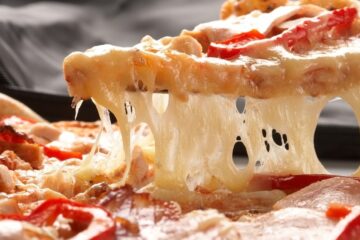
Craving pizza but worried about piling on too many toppings? You’re not alone.
Knowing how to choose and balance your pizza toppings can make all the difference—not just in taste, but in keeping your meal satisfying without going overboard. Too many toppings can overwhelm the crust and dull the flavors, while the right mix can turn your pizza into a wholesome, delicious experience.
In this guide, you’ll discover simple rules for topping moderation, the healthiest options to boost flavor and nutrition, and smart swaps that let you enjoy your favorite food guilt-free. Ready to make every slice a perfect bite? Let’s dive into the ultimate Pizza Toppings Moderation Guide crafted just for you.
Credit: www.egglandsbest.com
Topping Limits
Setting clear limits on pizza toppings helps keep your pizza tasty and enjoyable. Too many toppings can make your pizza soggy and heavy. Topping limits ensure each bite has balanced flavors and textures. This guide focuses on how to avoid topping overload and balance the sauce and cheese.
Avoid Overloading
Overloading a pizza can cause problems. Too many toppings block heat, leaving dough undercooked. Heavy toppings release moisture that makes the crust soggy. Each topping should add flavor without drowning others. Keep toppings to a moderate amount for a crisp, delicious pizza.
Balance Sauce And Cheese
Sauce and cheese form the base of any great pizza. Too many toppings can hide their taste and texture. Use enough sauce to keep the crust moist but not soggy. Cheese should melt evenly and hold toppings in place. Balancing these elements gives every bite a smooth, rich flavor.
Healthy Veggies
Choosing the right veggies for your pizza boosts taste and nutrition. Healthy veggies add vitamins, minerals, and fiber. They keep your pizza colorful and fresh. These toppings support your well-being without extra calories. Here are some popular healthy veggie options to consider.
Spinach And Arugula Benefits
Spinach and arugula are rich in vitamins A, C, and K. They also provide antioxidants that protect cells. Iron in spinach supports energy and blood health. Arugula adds a peppery flavor and aids digestion. Both veggies are low in calories but high in nutrients.
Mushrooms And Fiber
Mushrooms are low in calories and add a meaty texture. They supply B vitamins and important minerals like selenium. Fiber in mushrooms helps digestion and keeps you full longer. Their earthy taste pairs well with cheese and sauce on pizza.
Bell Peppers And Vitamin C
Bell peppers are colorful and crunchy. They contain high amounts of vitamin C, which boosts immunity. B vitamins in peppers help convert food into energy. Their sweet flavor balances savory ingredients perfectly. Roasting peppers enhances their natural sweetness.
Tomatoes And Lycopene
Tomatoes provide lycopene, a powerful antioxidant linked to heart health. They also add natural sweetness and juiciness to pizza. Fresh or in sauce form, tomatoes offer vitamin C and fiber. Lycopene absorbs better after cooking, making pizza sauce healthy.
Onions And Garlic Flavor
Onions and garlic give strong, delicious flavors to pizza. They contain compounds that may reduce blood pressure and fight inflammation. Both add fiber, aiding digestion. Their pungent taste complements many other toppings well.
Low-calorie Artichokes And Zucchini
Artichokes and zucchini are low in calories and high in nutrients. Artichokes provide fiber and antioxidants that support liver health. Zucchini adds moisture and mild flavor without heaviness. Both keep your pizza light and satisfying.
Olives And Healthy Fats
Olives offer healthy fats that benefit heart health. They contain vitamin E and antioxidants. Their salty flavor enhances pizza without extra processed salt. Use olives in moderation to enjoy their taste and health benefits.
Lean Protein Picks
Choosing lean proteins for your pizza toppings helps keep meals lighter and healthier. These options add flavor without extra fat or calories. They fit well in a balanced pizza, supporting a tasty yet nutritious slice.
Lean proteins also provide essential nutrients like vitamins and minerals. They improve the overall quality of your pizza while keeping it satisfying. Using them in moderation ensures your pizza stays delicious and wholesome.
Grilled Chicken And Turkey Sausage
Grilled chicken is a top lean protein choice for pizza. It is low in fat and rich in protein. The grilling process adds a smoky flavor that pairs well with many toppings.
Turkey sausage offers a lighter alternative to traditional sausage. It contains less saturated fat and fewer calories. Both options keep your pizza tasty and healthier without losing classic flavors.
Shrimp Options
Shrimp is another great lean protein topping. It cooks quickly and has a mild, sweet taste. Shrimp adds variety and a boost of protein to your pizza.
This seafood choice is low in fat and calories. It also brings important nutrients like omega-3 fatty acids. Using shrimp sparingly helps maintain a balanced and flavorful pizza.
Credit: spice.alibaba.com
Smart Ingredient Swaps
Choosing the right ingredients can make pizza healthier and tastier. Smart ingredient swaps help balance flavor and nutrition. These swaps keep pizza light without losing its classic charm.
Whole-grain Crust
Switch regular crust with whole-grain options. Whole grains provide more fiber and nutrients. This swap helps digestion and keeps you full longer. It adds a nutty flavor that pairs well with toppings.
Marinara Sauce
Use marinara sauce instead of creamy or heavy sauces. Marinara is rich in lycopene, an antioxidant from tomatoes. It offers a fresh, tangy taste without extra calories. Homemade marinara is best for controlling salt and sugar.
Moderate Cheese Use
Use cheese sparingly to reduce fat and calories. Choose part-skim or low-fat cheese for a lighter option. Less cheese lets the other flavors shine. It also helps keep the pizza from feeling too heavy.
Toppings To Limit
Choosing the right pizza toppings can make a big difference in taste and health. Some toppings add extra calories, fat, and sodium. Limiting these can help you enjoy pizza without feeling too heavy or guilty. Below are key toppings to watch out for.
Processed Meats Risks
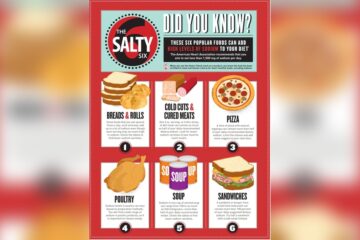
Processed meats like pepperoni, sausage, and bacon are common pizza toppings. They contain high levels of saturated fat and sodium. Eating too much raises the risk of heart disease and high blood pressure. These meats also have nitrates, which may harm your health over time. Using them sparingly or choosing leaner meats is a smarter choice.
Creamy Sauce Drawbacks
Creamy sauces such as ranch or buffalo add rich flavor but also many calories. They often contain unhealthy fats that increase cholesterol levels. These sauces can make your pizza very heavy and less nutritious. Opting for tomato-based sauces helps keep calories and fat lower. Limiting creamy sauces keeps your pizza lighter and healthier.
Flavor Balance Tips
Balancing flavors on a pizza is key to a tasty and enjoyable meal. The right mix of toppings creates harmony between taste and texture. Use these flavor balance tips to make every bite satisfying and well-rounded.
Combining Textures
Mix crunchy, soft, and chewy toppings to keep the pizza interesting. Crisp vegetables like bell peppers add a fresh crunch. Chewy meats or melted cheese offer a smooth contrast. This variety keeps each slice exciting.
Balancing Bold And Mild
Pair strong flavors with mild ones to avoid overpowering your palate. Spicy pepperoni works well with sweet pineapple or mild cheese. This contrast prevents any single topping from dominating the pizza.
Portion Control
Use toppings sparingly to let each flavor shine. Too many toppings can make the pizza soggy or heavy. A moderate amount of toppings helps maintain the crust’s crispness and the sauce’s taste.
Popular Divisive Toppings
Ordering pizza can be healthy with smart topping choices. Balancing ingredients helps keep calories and fats low. Healthy pizza ordering means focusing on nutrition without losing flavor. Simple swaps make your pizza lighter and more nutritious. The right toppings add vitamins, protein, and good fats. Here is a guide to choosing better pizza toppings for your next order.
Choosing Veggie-heavy Pizzas
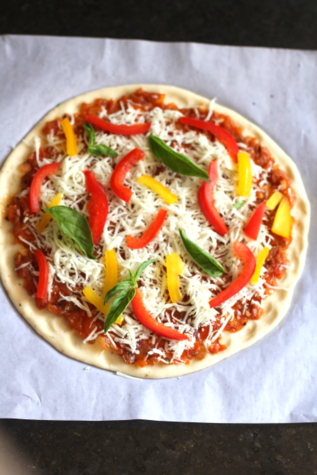
Vegetables add vitamins, fiber, and antioxidants to your pizza. Spinach, mushrooms, and bell peppers are great options. They are low in calories and high in nutrients. Tomatoes and onions boost flavor and provide antioxidants. Adding artichokes or zucchini offers variety without extra fat. Veggie-heavy pizzas keep your meal light and healthy.
Selecting Lean Meat Options
Choose grilled chicken or turkey sausage instead of processed meats. These options are lower in saturated fat and calories. Shrimp also makes a tasty, low-fat protein topping. Avoid pepperoni, bacon, and regular sausage to reduce unhealthy fats. Lean meats support muscle health and keep your pizza balanced.
Customizing Sauces And Cheese
Marinara sauce is a healthy choice, rich in antioxidants like lycopene. Skip creamy sauces that add extra calories and fat. Use cheese sparingly or select part-skim varieties to cut fat intake. Less cheese means fewer calories but still enough flavor. Customizing sauce and cheese helps control the pizza’s overall nutrition.
Credit: www.sailusfood.com
Frequently Asked Questions
What Is The Rule For Pizza Toppings?
The rule for pizza toppings is to avoid overloading. Keep toppings balanced to let sauce and cheese flavor the crust properly.
Which Is The Healthiest Option For Pizza Toppings?
Choose vegetable toppings like spinach, mushrooms, bell peppers, onions, and tomatoes for vitamins and fiber. Add lean proteins such as grilled chicken or turkey sausage. Use whole-grain crust and marinara sauce. Limit cheese and avoid processed meats to keep pizza healthier.
What Are The Unhealthiest Pizza Toppings?
The unhealthiest pizza toppings include processed meats like pepperoni, sausage, and bacon. Creamy sauces also add excess calories and unhealthy fats. These toppings increase saturated fat, sodium, and nitrates, making pizza less nutritious and harder to digest. Choose toppings wisely for better health.
What Is The Most Divisive Pizza Topping?
The most divisive pizza topping is pineapple. Some love its sweet contrast, while others find it clashes with savory flavors.
Conclusion
Choosing the right amount of pizza toppings keeps flavors balanced and enjoyable. Adding too many ingredients can make the pizza soggy and less tasty. Focus on fresh vegetables and lean proteins for a healthier slice. Whole-grain crust and moderate cheese improve nutrition without losing taste.
Avoid heavy processed meats and creamy sauces to reduce unhealthy fats. Simple choices lead to a better pizza experience every time. Enjoy your pizza with just the right toppings for flavor and health.

As the author of the “Ultimate Pizza Guide: Recipes, Tips & Secrets Revealed,” I’m dedicated to sharing my love for pizza and empowering others to create delicious homemade pizzas with ease. Join me on a journey to uncover the secrets to perfecting your pizza game!