You love pizza, but does it fit into your balanced diet? The truth is, pizza doesn’t have to be a guilty pleasure.
When chosen wisely and enjoyed in the right portions, it can actually be part of a healthy eating plan. Imagine biting into a slice that’s loaded with fresh veggies, lean protein, and a thin, whole-grain crust—sounds delicious and nutritious, right?
You’ll discover simple ways to enjoy your favorite food without compromising your health goals. Ready to find out how pizza can work for you? Keep reading to unlock tips that make every slice count toward a balanced diet.
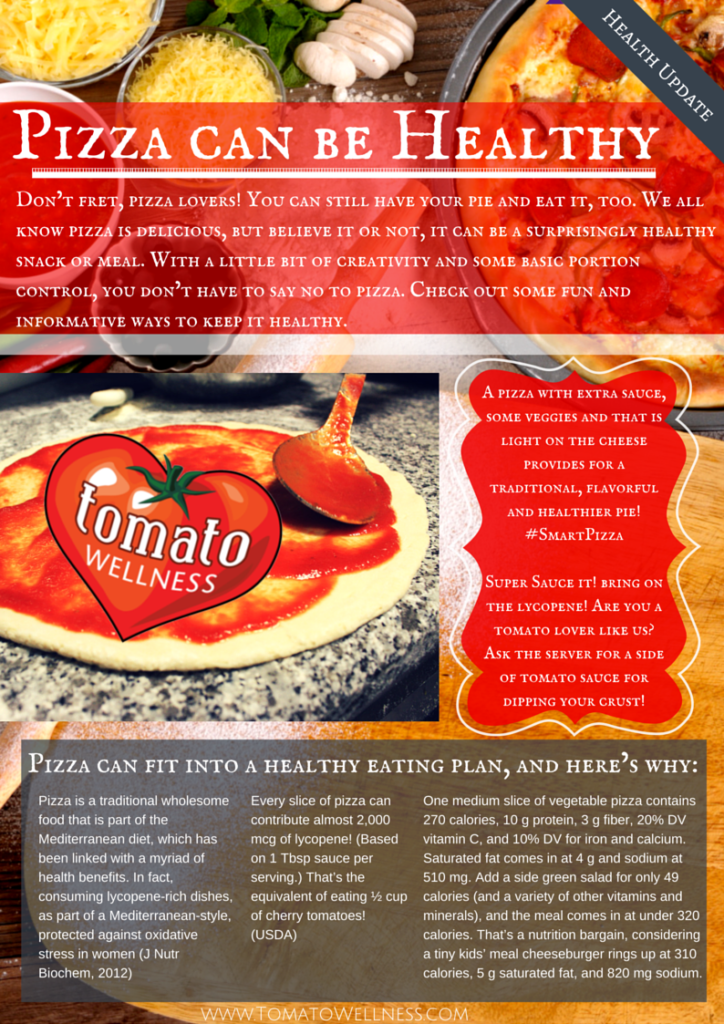
Credit: tomatowellness.com
Pizza And Nutrition
Pizza can be part of a balanced diet if chosen wisely. It provides energy and essential nutrients. The key is to understand what goes into your pizza.
Knowing its nutritional content helps you make better choices. You can enjoy pizza without feeling guilty. Let’s explore the calories, macronutrients, and common unhealthy ingredients found in pizza.
Calories And Portion Size
Calories in pizza vary by toppings and crust type. A single slice can have anywhere from 200 to 400 calories. Eating multiple slices increases calorie intake quickly.
Controlling portion size helps manage calorie consumption. Sticking to one or two slices prevents overeating. Pairing pizza with a salad can create a balanced meal.
Macronutrients In Pizza
Pizza contains carbohydrates, protein, and fats. The crust mainly provides carbohydrates for energy. Cheese and meats add protein, which supports muscles.
Fats come from cheese and meat toppings, some of which are saturated fats. Vegetables on pizza add fiber and vitamins. A balanced pizza includes all three macronutrients in moderate amounts.
Common Unhealthy Ingredients
Many pizzas have refined flour crusts, which lack fiber. Processed meats like pepperoni add unhealthy fats and sodium. Excessive cheese increases saturated fat and calorie content.
High sodium levels can affect blood pressure negatively. Some pizzas contain preservatives and added sugars. Choosing fresh ingredients and limiting processed toppings reduces these risks.
Credit: www.walmart.com
Choosing A Better Crust
Choosing the right crust can make pizza a healthier choice. The crust forms the base and affects the meal’s nutrition. Selecting better crusts helps balance fiber, carbs, and calories. This choice supports overall health while enjoying pizza.
Whole-grain And Thin Crust Options
Whole-grain crusts contain more fiber than regular white crusts. Fiber helps digestion and keeps you full longer. Thin crusts reduce the amount of dough, lowering calories and carbs. Both options support a balanced diet by adding nutrients and controlling portions.
Alternative Crusts Like Cauliflower
Cauliflower crust is a popular low-carb alternative. It contains more vitamins and fewer calories than traditional crusts. This crust suits people who want fewer carbs or more vegetables. It also works well for gluten-free diets. Cauliflower crust adds variety and nutrition to pizza meals.
Impact Of Crust On Fiber And Carbs
The crust affects the total fiber and carbohydrate content of pizza. Whole-grain crusts increase fiber intake, which benefits health. Thin and alternative crusts lower carb amounts, helping with weight control. Choosing the right crust helps balance energy and supports healthy eating habits.
Toppings That Boost Health
Choosing the right toppings can make pizza a healthier meal choice. Toppings add nutrients and improve the balance of your pizza. Selecting toppings rich in vitamins, lean proteins, and avoiding processed meats supports your health goals. Small changes in toppings create big differences in nutrition.
Vegetable Toppings For Vitamins
Vegetables bring color and nutrients to your pizza. Bell peppers, spinach, onions, and tomatoes add vitamin C and antioxidants. These vitamins help your immune system and protect your body. Mushrooms provide vitamin D and minerals. Adding a variety of vegetables boosts fiber and aids digestion. More veggies mean more health benefits without extra calories.
Lean Protein Choices
Lean proteins support muscle repair and keep you full longer. Grilled chicken, turkey, or shrimp are great options. These proteins have less fat and fewer calories than traditional pizza meats. They add important nutrients like iron and B vitamins. Lean protein toppings help maintain energy and support a balanced diet.
Avoiding Processed Meats
Processed meats like pepperoni and sausage often contain high sodium and unhealthy fats. These can increase blood pressure and raise heart disease risk. Choosing fresh, unprocessed protein reduces these health risks. Limiting processed meats keeps your pizza lighter and healthier. Opt for natural toppings that nourish your body instead of harming it.
Cheese And Sauce Tips
Cheese and sauce play a big role in pizza’s taste and nutrition. Choosing the right types can make pizza part of a balanced diet. Simple changes in cheese and sauce can lower fat and sugar content. These tips help keep pizza both tasty and healthier.
Lower-fat Cheese Alternatives
Cheese adds protein but can be high in fat. Try mozzarella made with part-skim milk. It has less fat but still melts well. Ricotta or cottage cheese are good choices too. They provide creaminess with fewer calories. Using less cheese also lowers fat and calories on your pizza.
Healthier Sauce Options
Tomato-based sauces are rich in lycopene, an antioxidant. Choose plain tomato sauce without added cream or cheese. Pesto made with fresh herbs and olive oil adds flavor and nutrients. Avoid creamy sauces like Alfredo, which are high in fat. Fresh herbs and spices can boost taste without extra calories.
Reducing Added Sugars And Fats
Many store-bought sauces contain added sugars. Read labels and pick sauces with little or no sugar. Make your own sauce with canned tomatoes and herbs for control. Using less cheese and sauce cuts down on fat and calories. Balance toppings with vegetables for more fiber and vitamins.
Balancing Pizza In Your Diet
Pizza can fit into a balanced diet with smart choices and control. It offers carbs, protein, and fats in one meal. The key is balancing portions, pairing with healthy sides, and watching how often you eat it. This approach helps you enjoy pizza without overloading on calories or unhealthy ingredients.
Moderation And Portion Control
Limit yourself to one or two slices per meal. Smaller portions prevent excess calorie intake. Choose thin crust to reduce refined carbs. Avoid extra cheese and heavy toppings. Eating pizza in moderation keeps your diet balanced.
Pairing Pizza With Healthy Sides
Add fresh vegetables or a salad to your pizza meal. Veggies increase fiber and vitamins, aiding digestion. Avoid fries or high-fat sides that add unhealthy fats. Water or unsweetened drinks help keep calories low. Healthy sides balance the meal’s nutrition.
Frequency Of Consumption
Eat pizza once or twice a week at most. Frequent pizza can increase fat and sodium intake. Rotate with meals rich in vegetables, lean proteins, and whole grains. Regular balance supports overall health and weight management. Plan your meals to enjoy pizza without overdoing it.
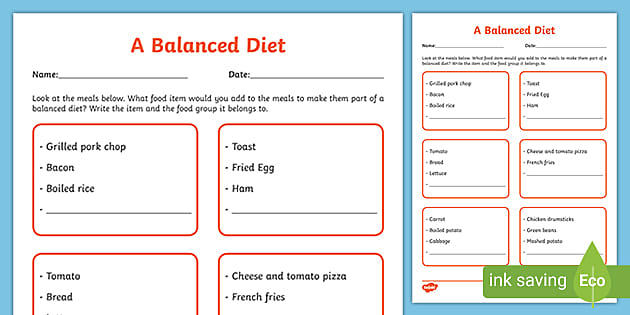
Credit: www.twinkl.com
Healthy Pizza Ideas
Pizza can be part of a balanced diet with smart choices. Using fresh ingredients helps keep it nutritious and tasty. You can enjoy pizza without feeling guilty by picking healthy toppings and crusts. Small changes make a big difference in calories and nutrients.
Here are some healthy pizza ideas to try. They offer more vitamins, protein, and fiber than usual options. These choices satisfy your hunger and support your well-being.
Veggie-loaded Margherita
A classic Margherita pizza becomes healthier with extra vegetables. Add spinach, tomatoes, and bell peppers for color and nutrients. Use a whole-grain crust for more fiber. Fresh basil and a light layer of mozzarella keep it simple and tasty. This pizza is low in calories but rich in vitamins.
Grilled Chicken And Veggie Combos
Grilled chicken adds lean protein to your pizza. Combine it with veggies like zucchini, onions, and mushrooms. These toppings create a filling meal with balanced nutrition. Choose a thin crust to reduce carbs. Skip processed meats to avoid extra fat and sodium. This combo supports muscle health and keeps calories in check.
Homemade Versus Store-bought
Homemade pizza lets you control ingredients and portion size. You can use fresh vegetables, lean proteins, and whole grains easily. Store-bought pizzas often contain preservatives and high sodium. They may have more cheese and processed meats. Making pizza at home helps limit unhealthy fats and calories. It also gives room to experiment with new healthy flavors.
Frequently Asked Questions
Is Pizza Healthy When On A Diet?
Pizza can be part of a healthy diet if eaten in moderation. Choose thin crust, load with vegetables, and limit cheese and processed meats. Portion control and balanced toppings help keep pizza diet-friendly.
Is Pizza Healthy Or Unhealthy?
Pizza can be healthy or unhealthy depending on ingredients, portion size, and frequency. Choose whole-grain crust, vegetables, lean proteins, and moderate cheese for a balanced meal. Limit portions to one or two slices to enjoy pizza as part of a healthy diet.
Is It Safe To Eat 3 Day Pizza?
Eating 3-day-old pizza is safe if refrigerated properly below 40°F (4°C). Reheat it thoroughly before eating. Discard pizza left out over two hours.
What Pizza Is The Healthiest?
The healthiest pizza has a thin whole-grain crust, lots of vegetables, lean protein, and minimal cheese. Choose tomato-based sauce and control portions.
Conclusion
Pizza can fit into a balanced diet with smart choices. Choose thin crusts and add plenty of vegetables. Limit high-fat toppings and watch your portion size. Enjoy one or two slices instead of a whole pie. Pair pizza with a side salad or fruit for more nutrients.
Eating pizza mindfully helps you stay healthy and satisfied. Balance and moderation make pizza a tasty, nutritious option.
As the author of the “Ultimate Pizza Guide: Recipes, Tips & Secrets Revealed,” I’m dedicated to sharing my love for pizza and empowering others to create delicious homemade pizzas with ease. Join me on a journey to uncover the secrets to perfecting your pizza game!