Can athletes eat pizza? If you’ve ever wondered whether this popular, cheesy comfort food fits into a serious training plan, you’re not alone.
You might think pizza is just empty calories and grease, something that could hold back your performance or recovery. But what if pizza could actually be part of your fueling strategy? Whether you’re a weekend warrior or a competitive athlete, understanding when and how to enjoy pizza without sabotaging your goals is key.
Keep reading to discover the surprising truth about pizza and athletic performance—and learn how you can enjoy your favorite slice without guilt.

Credit: simplifaster.com
Pizza And Athletic Performance
Pizza often gets a bad rap in sports nutrition. Its reputation as a greasy, heavy food can make athletes wary. Yet, pizza contains key nutrients that can support athletic performance. Understanding its macronutrient profile helps clarify if and when pizza fits into an athlete’s diet.
Choosing the right type of pizza and timing the meal properly can make a difference. Pizza with balanced ingredients offers energy and recovery benefits. Let’s explore how the carbohydrates, protein, and fats in pizza influence athletic performance.
Carbohydrates As Energy Fuel
Carbohydrates are the primary fuel for athletes during exercise. Pizza crust is a good source of carbs that quickly convert to energy. This energy helps maintain intensity and stamina in training or competition.
Eating pizza before exercise can top up glycogen stores. These stores provide fuel for muscles and the brain. Carbohydrates in pizza support endurance and delay fatigue during workouts.
Role Of Protein And Fats
Protein in pizza comes mainly from cheese and meat toppings. Protein supports muscle repair and growth after exercise. It also helps reduce muscle soreness.
Fats in pizza provide a slower-burning energy source. They help keep athletes feeling full longer. Healthy fats also support hormone production and joint health. Choosing pizzas with moderate cheese and lean meats balances protein and fat intake.
Glycogen Storage Benefits
Glycogen is stored carbohydrate in muscles and liver. It fuels intense and prolonged physical activity. Eating pizza helps replenish glycogen after workouts.
Consuming carbs from pizza post-exercise aids faster recovery. It prepares athletes for their next training session or competition. Balanced pizza meals can be a practical way to restore energy stores.

Credit: deekspizza.com
Nutritional Pros And Cons Of Pizza
Pizza is a popular food that many athletes enjoy. It offers both benefits and drawbacks nutritionally. Understanding these can help athletes make smarter choices about pizza in their diet. Here we explore the fiber, micronutrients, cheese, fat, and macro balance in pizza.
Fiber And Micronutrient Content
Pizza crust, especially whole grain, provides fiber. Fiber aids digestion and keeps you full longer. Toppings like vegetables add vitamins and minerals. Ingredients such as tomato sauce supply antioxidants like lycopene. These nutrients support overall health and recovery.
Effects Of Cheese And Fat
Cheese is a major source of fat and protein on pizza. It provides calcium and vitamin D for bone strength. But cheese also adds saturated fat, which can slow digestion. Too much fat may reduce energy levels during exercise. Portion control is important to avoid excess fat intake.
Balancing Macros On Pizza
Pizza contains carbohydrates, protein, and fat. Carbs fuel muscles and help replenish glycogen stores. Protein supports muscle repair and growth. Fat offers long-lasting energy but should not dominate the meal. Combining lean protein, veggies, and moderate cheese creates a better macro balance for athletes.
When To Eat Pizza For Best Results
Timing plays a key role in how pizza affects athletic performance. Eating pizza at the right moments can help fuel the body and aid recovery. Understanding when to enjoy pizza allows athletes to benefit without harming their goals. Below are the best times to eat pizza for optimal results.
Post-workout Timing
After exercise, the body needs to replenish energy and repair muscles. Pizza with a good balance of carbs and protein can help this process. Eating pizza within 30 to 60 minutes post-workout is ideal. This timing supports muscle recovery and refills glycogen stores. Choose pizzas with lean protein and vegetables for better nutrition.
Pre-competition Considerations
Before competition, focus on foods that provide lasting energy. Pizza with heavy cheese and greasy toppings may cause discomfort. Eat pizza at least 3 to 4 hours before an event. Opt for lighter toppings and thinner crust to avoid feeling heavy. Proper timing helps maintain energy without digestive issues during performance.
Portion Control Strategies
Pizza can be part of a healthy diet if portion sizes are controlled. Limit slices to avoid excess calories and fat. Pair pizza with a side of salad or vegetables for added fiber and vitamins. Smaller portions prevent sluggishness and keep energy steady. Moderation is key to enjoying pizza without negative effects.
Making Pizza Healthier For Athletes
Pizza can be part of an athlete’s diet with smart choices. Making pizza healthier helps athletes get nutrients and energy they need. Simple changes to ingredients improve its value for active lifestyles.
Adding Lean Proteins
Lean proteins support muscle repair and growth. Chicken breast, turkey, or tofu are good toppings. They add protein without extra fat. Protein keeps athletes full and helps recovery after workouts.
Incorporating Vegetables
Vegetables add vitamins, minerals, and fiber to pizza. Bell peppers, spinach, tomatoes, and mushrooms boost nutrition. They add color and taste while lowering calories. Vegetables help digestion and keep energy steady.
Choosing Whole Grain Crusts
Whole grain crusts offer more fiber than white crusts. Fiber aids digestion and keeps blood sugar stable. Whole grains provide lasting energy for training and games. Choosing whole grain crusts makes pizza a better fuel source.
Pizza In Muscle Gain And Recovery
Pizza can play a role in muscle gain and recovery for athletes. It offers a mix of nutrients that support these processes. Understanding how pizza fits into an athlete’s diet helps make smart food choices.
While pizza is often seen as a treat, it provides carbohydrates, protein, and fats. These nutrients are essential after workouts. Athletes can use pizza wisely to meet their energy and recovery needs.
Supporting Muscle Growth
Muscle growth requires protein to repair and build fibers. Pizza with lean meat or extra cheese adds protein. The crust offers carbohydrates that fuel muscle building. Eating pizza with balanced toppings helps meet daily protein goals.
Refueling After Intense Training
After intense training, muscles need glycogen to recover. Pizza’s carbs refill glycogen stores quickly. Combining carbs with protein, like in pizza, speeds recovery. Timing matters; eating pizza soon after training is best for refueling.
Hydration And Pizza
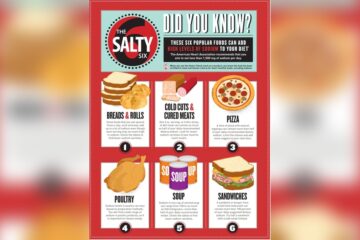
Pizza can be high in salt, which affects hydration. Athletes should drink water alongside pizza to stay hydrated. Proper hydration supports muscle function and recovery. Balancing pizza with fluids helps maintain good hydration levels.
Common Myths About Pizza And Sports
Many people believe pizza is bad for athletes. These common myths stop them from enjoying it. Understanding facts helps athletes make better food choices. Let’s clear up some false ideas about pizza and sports.
Pizza As ‘junk Food’
Pizza often gets labeled as junk food. This label comes from fast food chains selling greasy slices. But not all pizza is the same. Homemade or quality pizzerias offer balanced ingredients. Whole grain crust, fresh veggies, and lean proteins make pizza more nutritious. It can provide important nutrients athletes need.
Pizza And Weight Gain
Many think pizza always causes weight gain. Weight gain depends on total calories, not just one food. Eating pizza in moderation fits into a healthy diet. Portion control and meal timing matter most. Choosing pizzas with less cheese and more veggies helps keep calories in check. Pizza does not automatically lead to extra weight.
Elite Athletes And Pizza
Elite athletes sometimes eat pizza, surprising many. They balance pizza with other healthy foods. Pizza provides carbohydrates that replenish energy stores. After hard training, pizza can help recover muscles. Athletes use pizza as part of a varied diet. It shows pizza can fit into a sports nutrition plan.
Smart Tips For Athletes Eating Pizza
Pizza can be part of an athlete’s diet when eaten wisely. It offers carbohydrates and protein needed for energy and muscle repair. Smart eating helps athletes enjoy pizza without harming performance. Focus on balance, timing, and portion size to fit pizza into a healthy plan.
Meal Planning And Frequency
Plan pizza meals around your training schedule. Eat pizza more often on rest days or after heavy workouts. Avoid pizza before intense training or competitions. Limit pizza to one or two times a week to keep a balanced diet.
Combining Pizza With Other Foods
Add vegetables to your pizza for extra vitamins and fiber. Pair pizza with a side salad or steamed veggies. Choose lean protein toppings like chicken or turkey. Drink water instead of sugary drinks to stay hydrated.
Listening To Your Body’s Needs
Pay attention to how pizza affects your energy and digestion. Stop eating if you feel too full or sluggish. Adjust portion size based on hunger and activity level. Use pizza as a treat, not a daily meal, to support your goals.

Credit: www.lasportiva.com
Frequently Asked Questions
Is It Okay For Athletes To Eat Pizza?
Athletes can eat pizza in moderation by choosing options with lean proteins, veggies, and whole grains. Balance and portion control matter.
Is It Okay To Eat Pizza If You Workout?
Eating pizza after a workout is fine if you control portions and choose toppings with protein and veggies. Balance matters.
Can I Eat Pizza And Still Gain Muscle?
Yes, you can eat pizza and gain muscle by choosing balanced toppings, controlling portions, and meeting your protein and calorie needs.
Is Pizza Good For Runners?
Pizza can fuel runners by providing carbohydrates for energy and glycogen storage. Choose options with lean protein and veggies. Avoid excess cheese and grease to keep it balanced and support performance. Portion control and timing matter for optimal benefits.
Conclusion
Athletes can enjoy pizza without guilt when they choose wisely. Opt for balanced toppings like vegetables and lean proteins. Portion control matters to avoid excess fats and calories. Timing pizza after workouts helps restore energy effectively. Pizza should complement a diet rich in whole foods and nutrients.
Eating pizza occasionally won’t harm athletic performance. Focus on overall diet quality and consistency for best results. Pizza can fit into an athlete’s lifestyle with smart choices. Balance and moderation keep both nutrition and enjoyment in check.

As the author of the “Ultimate Pizza Guide: Recipes, Tips & Secrets Revealed,” I’m dedicated to sharing my love for pizza and empowering others to create delicious homemade pizzas with ease. Join me on a journey to uncover the secrets to perfecting your pizza game!