Pizza is one of those foods that almost everyone loves. Its cheesy, crispy, and flavorful nature makes it hard to resist.
But what if you want to enjoy your favorite pizza without feeling guilty or sacrificing your health goals? The good news is, pizza can be part of a balanced meal plan—if you make smart choices. You’ll discover simple tips to turn pizza into a nutritious meal that satisfies your cravings and supports your wellness.
Ready to learn how to enjoy pizza the right way? Keep reading, because your next slice could be both delicious and good for you!
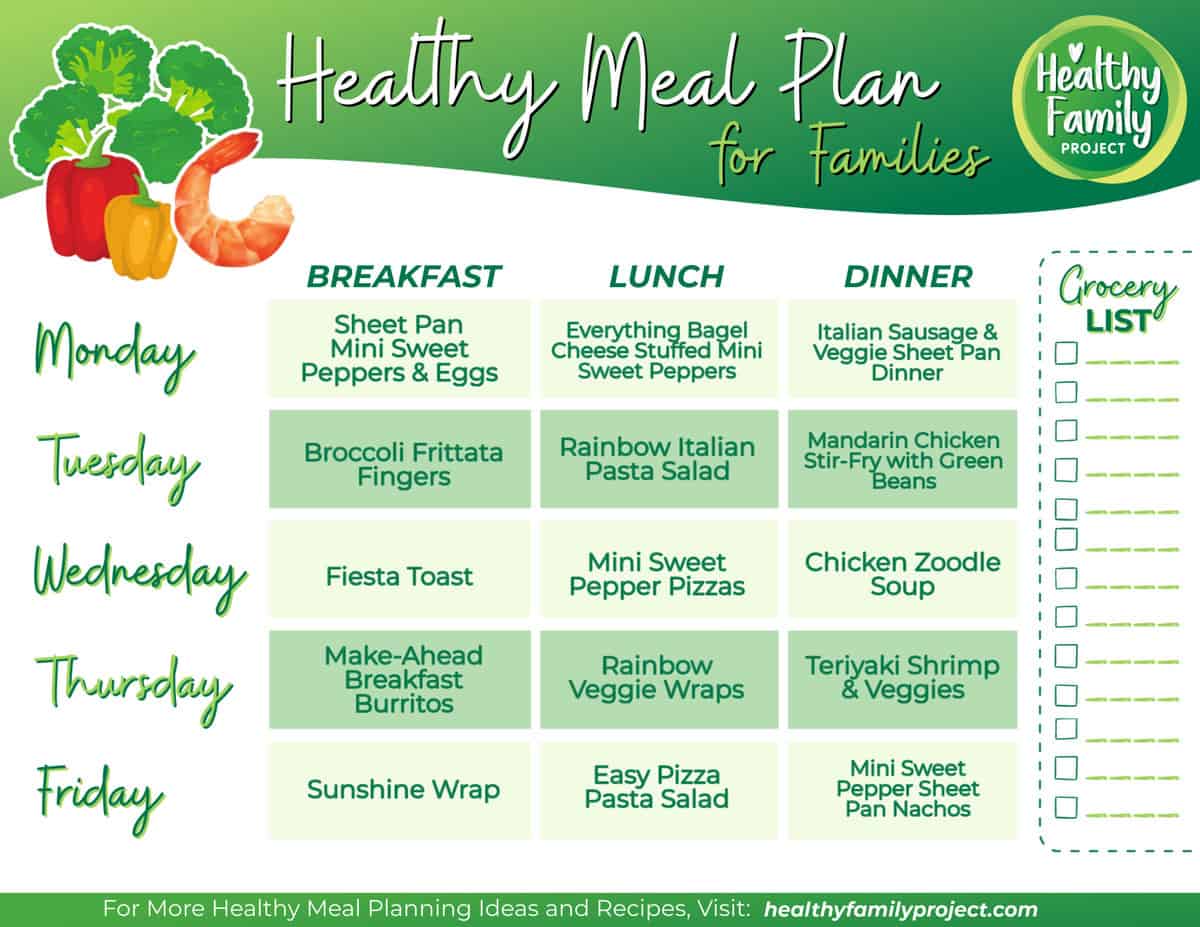
Credit: healthyfamilyproject.com
Pizza As A Balanced Meal
Pizza can be part of a balanced meal. It provides carbohydrates, protein, fats, vitamins, and minerals. Choosing the right ingredients helps make pizza healthier. Simple swaps and mindful choices improve its nutritional value. Let’s explore how to make pizza balanced.
Choosing The Right Crust
Pick whole wheat or thin crust options. Whole wheat adds fiber and nutrients. Thin crust lowers calories and refined carbs. Avoid thick or deep-dish crusts for better balance. A good crust supports digestion and energy.
Healthy Sauce Options
Tomato sauce is rich in lycopene and vitamin C. Choose sauces with no added sugar or salt. Fresh tomato sauces can boost flavor and nutrition. Avoid creamy or oily sauces high in fat. Sauce adds taste and health benefits.
Cheese In Moderation
Cheese gives calcium and protein but watch the amount. Too much cheese adds saturated fat and calories. Use low-fat or part-skim cheese to reduce fat. Spread cheese evenly to enjoy flavor without excess. Cheese adds creaminess and nutrients.
Nutritious Toppings
Load pizza with vegetables like peppers, onions, and mushrooms. Vegetables add vitamins, minerals, and fiber. Choose lean proteins such as grilled chicken or turkey. Avoid processed meats like pepperoni or sausage. Healthy toppings boost flavor and nutrition.
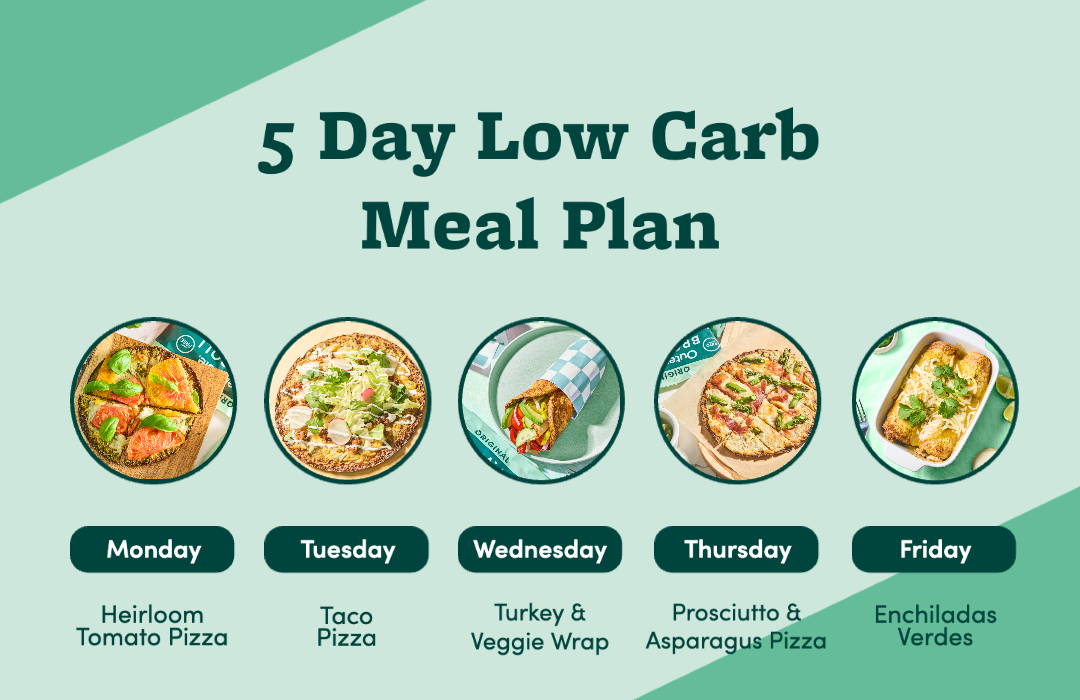
Credit: www.outeraislegourmet.com
Balancing Nutrition With Pizza
Pizza often gets a bad reputation for being unhealthy. Yet, it can fit into a balanced meal plan with the right choices. Balancing nutrition with pizza means focusing on ingredients and portion sizes. This approach helps enjoy pizza without sacrificing health goals.
Incorporating Protein
Protein helps build muscles and keeps you full longer. Choose lean protein toppings like grilled chicken, turkey, or shrimp. Avoid processed meats such as pepperoni and sausage. Adding protein balances the meal and supports energy levels.
Adding Vegetables
Vegetables add fiber, vitamins, and minerals to your pizza. Top it with colorful peppers, onions, spinach, mushrooms, or tomatoes. Vegetables improve taste and boost nutrition. They make each bite healthier and more satisfying.
Controlling Portions
Portion size affects calorie intake and hunger. Eating too many slices can lead to overeating. Limit yourself to one or two slices paired with a side salad or fruit. Smaller portions help maintain a balanced diet and prevent excess calories.
Common Pitfalls In Pizza Eating
Pizza is a popular meal loved by many. It can be part of a balanced diet but often comes with risks. Understanding common pitfalls helps make better choices. Avoiding these mistakes improves health and enjoyment.
Risks Of Processed Meats
Processed meats like pepperoni and sausage add flavor but pose health risks. They contain preservatives and unhealthy fats. Eating them often increases chances of heart disease and cancer. Choosing lean meats or vegetables reduces these dangers.
High Calories And Sodium
Pizza can be high in calories, especially with thick crusts and extra cheese. Excess calories lead to weight gain and related health problems. Sodium levels are also high, causing high blood pressure. Limiting cheese and choosing thin crust helps control intake.
Overindulgence Effects
Eating large portions or multiple slices causes overindulgence. This leads to stomach discomfort and sluggishness. Frequent overeating affects energy and mood negatively. Practicing portion control keeps pizza enjoyable and healthy.
Smart Pizza Choices For Health
Pizza can be part of a healthy meal plan with smart choices. Picking the right ingredients helps balance taste and nutrition. This section covers simple ways to make pizza healthier and more balanced for your diet.
Homemade Vs. Takeout
Making pizza at home gives full control over ingredients. You can use fresh vegetables and lean meats. It allows cutting down on salt and unhealthy fats.
Takeout pizzas often contain more cheese and processed meats. They may have extra oils and added sugars in the sauce. Choosing homemade pizza reduces these risks and helps manage portions better.
Selecting Lean Proteins
Lean proteins add essential nutrients without extra fat. Chicken breast, turkey, or seafood make great pizza toppings. These choices support muscle health and keep calories lower.
Avoid processed meats like pepperoni or sausage often high in saturated fat and sodium. Using lean proteins improves pizza’s health value and keeps meals balanced.
Using Whole Wheat Crusts
Whole wheat crust adds fiber and important nutrients. Fiber aids digestion and keeps you full longer. It also helps balance blood sugar levels better than white crust.
Whole wheat crust may taste nuttier but pairs well with many toppings. Choosing this crust boosts pizza’s nutritional profile for a more balanced meal.
Tips For Enjoying Pizza And Staying Lean
Pizza can be part of a balanced diet when enjoyed wisely. Eating pizza and staying lean requires simple, practical tips. These help you enjoy your favorite food without extra calories or unhealthy fats. Focus on smart choices and habits to keep your meals balanced and satisfying.
Moderation Strategies
Limit yourself to one or two slices per meal. Choose thin crust to reduce calories. Avoid extra cheese or heavy toppings. Eat slowly and savor each bite. Stop eating before you feel full. Drink water instead of sugary drinks with pizza. These habits help control calorie intake while enjoying pizza.
Pairing With Balanced Sides
Add a fresh salad with leafy greens and light dressing. Include steamed or roasted vegetables for extra fiber. Choose fruit as a sweet side to balance flavors. Avoid fries or heavy sides that add fat and calories. Balanced sides help fill you up and add nutrients missing in pizza.
Frequency And Portion Guidelines
Eat pizza no more than once or twice a week. Keep slice size moderate to control calories. Plan other meals with lean protein and vegetables to balance your day. Treat pizza as a special meal, not daily food. This approach helps maintain a healthy weight and supports balanced nutrition.

Credit: simple-nourished-living.com
Creative Pizza Meal Ideas
Pizza offers endless options for creative meals that fit balanced eating plans. Using fresh ingredients and smart choices can make pizza both tasty and nutritious.
Try new toppings and combinations to boost flavor and health benefits. These ideas help add protein, fiber, and vitamins while keeping calories in check.
Egg-topped Pizzas
Adding eggs on pizza raises protein content. Crack an egg on top before baking for a rich, creamy texture. Eggs provide essential nutrients like vitamin D and choline.
This combo works great with spinach or tomatoes. It makes breakfast-style pizzas perfect for any meal of the day.
Veggie-packed Recipes
Load your pizza with colorful vegetables for fiber and vitamins. Bell peppers, mushrooms, onions, and zucchini add flavor and crunch. Veggies help lower calories and increase fullness.
Try mixing greens like arugula or kale after baking. These leafy greens bring extra antioxidants and a fresh taste.
Low-fat Cheese Alternatives
Swap regular cheese for low-fat or plant-based versions. These options reduce saturated fat and calories while keeping creaminess. Mozzarella made from skim milk works well.
Nut-based cheeses offer unique flavors and are good for lactose intolerance. Using less cheese and more toppings balances taste and nutrition.
Frequently Asked Questions
How To Make A Balanced Meal With Pizza?
Make pizza balanced by choosing whole wheat crust, adding plenty of veggies, lean protein, and using moderate cheese. Control portion sizes. Pair with a side salad or fruit for extra nutrients and fiber. This approach boosts vitamins, minerals, protein, and fiber while keeping calories in check.
Is Pizza Considered A Balanced Meal?
Pizza can be a balanced meal when made with whole wheat crust, veggies, lean protein, and moderate cheese. Regular pizzas often contain excess calories, sodium, and saturated fats. Choosing fresh, diverse ingredients and controlling portions helps make pizza healthier and more nutritious.
How To Balance Eating Pizza?
Balance pizza by choosing whole wheat crust, adding veggies, lean proteins, and limiting cheese. Control portion size and pair with a side salad or protein-rich food. Enjoy pizza occasionally as part of a varied diet to maintain nutrition and satisfy cravings.
Can I Eat Pizza And Stay Lean?
Yes, you can eat pizza and stay lean by choosing whole wheat crust, adding veggies, lean proteins, and controlling portions. Balance your meal with protein and avoid processed meats. Enjoy pizza occasionally as part of a varied, nutrient-rich diet to maintain a lean physique.
Conclusion
Pizza can fit well into balanced meal plans with smart choices. Use whole wheat crusts and add plenty of fresh vegetables. Choose lean proteins instead of processed meats for better nutrition. Keep cheese amounts moderate to control saturated fat intake.
Homemade pizzas let you control ingredients for a healthier meal. Portion size matters; large slices can add too many calories. Enjoy pizza as part of a varied diet to maintain balance. Simple changes make pizza both tasty and nutritious every time.

As the author of the “Ultimate Pizza Guide: Recipes, Tips & Secrets Revealed,” I’m dedicated to sharing my love for pizza and empowering others to create delicious homemade pizzas with ease. Join me on a journey to uncover the secrets to perfecting your pizza game!