You love pizza, but have you ever wondered how it fits into your daily fiber intake? While pizza is a favorite comfort food, it’s often low in fiber, which is essential for good digestion and overall health.
The good news? With a few simple tweaks, you can enjoy your favorite slice while boosting your fiber intake. You’ll discover which pizza ingredients add fiber, how to choose healthier crusts, and smart ways to balance your meal. Keep reading to learn how to make pizza work for your gut—and your taste buds.

Credit: www.youtube.com
Fiber Content In Pizza
Pizza is a popular dish worldwide, but its fiber content varies widely. Most traditional pizzas offer little fiber because of their ingredients. Understanding the fiber in pizza helps make better food choices. Adding fiber to pizza can improve digestion and overall health.
Low Fiber Ingredients
Standard pizza crust is made from white flour. White flour has very little fiber. Cheese, a main topping, does not contain fiber. Meat toppings like pepperoni or sausage add protein but no fiber. These ingredients make most pizzas low in fiber. Eating only these can lead to low fiber intake. Low fiber can slow digestion and cause discomfort.
High Fiber Alternatives
Whole wheat crusts add more fiber than white flour crusts. Vegetables like spinach, bell peppers, and onions increase fiber content. Using veggie-based crusts, like cauliflower or broccoli, boosts fiber even more. Adding beans or legumes as toppings can add extra fiber too. These choices help make pizza healthier and more filling. High fiber pizzas support better digestion and gut health.
Boosting Fiber In Your Pizza
Pizza can be a tasty meal but often lacks enough fiber. Boosting fiber in your pizza helps digestion and keeps you full longer. Simple changes can turn your favorite pizza into a fiber-rich dish. Focus on crust choices, toppings, and sides to increase fiber intake.
Choosing Fiber-rich Crusts
Start with the crust. Whole wheat crusts contain more fiber than white flour. Multi-grain crusts add even more fiber and nutrients. Vegetable-based crusts like cauliflower or beet offer unique flavors and fiber. These options improve fiber without losing pizza’s classic taste.
Adding Vegetable Toppings
Vegetables add fiber and vitamins. Bell peppers, spinach, onions, and mushrooms are great choices. Tomatoes and olives also provide fiber and antioxidants. Pile on the veggies to boost fiber and add color. More vegetables mean more fiber and better nutrition.
Combining With Fiber-rich Sides
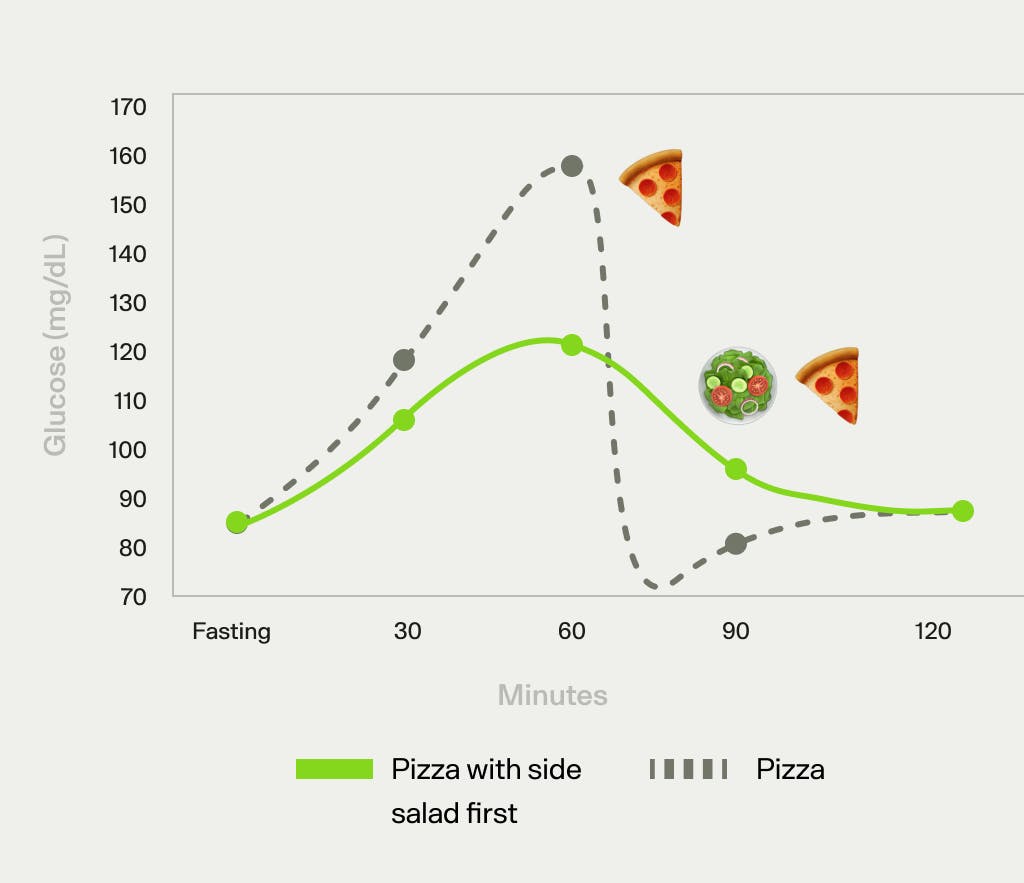
Pair your pizza with fiber-rich sides to complete your meal. A fresh salad with leafy greens or beans increases fiber intake. Roasted vegetables or a small bowl of lentil soup work well too. These sides balance your meal and support good digestion.
Pizza And Digestive Health
Pizza is a favorite food for many. Its impact on digestive health depends on ingredients used. Traditional pizza often has low fiber, which affects digestion. The type of crust and toppings can change how pizza influences your gut.
Impact On Bowel Movements
Low fiber in regular pizza can slow bowel movements. White flour crusts lack the fiber needed for smooth digestion. Cheese and meat toppings add little to no fiber. This combination may cause constipation in some people.
Choosing whole wheat or vegetable-based crusts helps increase fiber intake. Vegetables like spinach and bell peppers add natural fiber. Fiber helps keep stools soft and regular. Eating pizza with fiber-rich sides can improve bowel health.
Common Digestive Reactions
Some people may feel bloated or heavy after eating pizza. High fat and cheese content can slow digestion. This may cause discomfort or indigestion.
Adding fiber with veggies or whole grain crusts reduces these effects. Drinking water also supports digestion after a pizza meal. Understanding your body’s reaction helps you enjoy pizza more comfortably.
:max_bytes(150000):strip_icc()/pizza_annotated3-bb1cf56718e1456a8e5bdc3536ee5728.jpg "Pizza And Fiber Intake: Surprising Benefits You Need to Know 3")
Credit: www.verywellfit.com
Balancing Pizza In Your Diet
Pizza is a favorite food for many. It can be part of a healthy diet. Balancing pizza with fiber intake is key. Choosing the right pizza and portion helps maintain good digestion and overall health.
Eating pizza does not have to lower your fiber intake. Making smart choices can add fiber to your meal. This balance supports your body’s needs while enjoying your favorite slices.
Portion Control Tips
Start by limiting the number of slices you eat. Two slices are usually enough for one meal. Avoid eating large portions in one sitting. Smaller portions help you enjoy pizza without overeating.
Use a plate to measure your pizza servings. Pair your pizza with high-fiber foods like salad or vegetables. This adds fiber and makes your meal more filling.
Frequency And Overall Diet
Eat pizza only a few times per week. Daily pizza consumption may reduce fiber intake. Balance pizza with other fiber-rich meals throughout the day. Whole grains, fruits, and vegetables boost your fiber levels.
Plan your meals to include fiber from many sources. This keeps your diet varied and healthy. Pizza fits well in a balanced diet when combined with fiber-rich foods.
Nutritional Benefits Beyond Fiber
Pizza offers more than just fiber. It contains several important nutrients. These nutrients support overall health and energy. Understanding these benefits helps you enjoy pizza wisely.
Choosing the right toppings and crust can improve its nutritional value. Pizza can provide essential nutrients that help your body function well. Let’s explore these key nutrients and their benefits.
Key Nutrients In Pizza
Pizza includes vitamins and minerals like calcium, iron, and vitamin A. Cheese is a great source of calcium, which strengthens bones. Tomato sauce adds vitamin C and antioxidants. These nutrients support immune health and skin repair.
Meat toppings provide important minerals such as zinc and iron. Zinc helps with healing and immune function. Iron supports red blood cell production and energy levels. Vegetables on pizza contribute fiber, vitamins, and antioxidants.
Protein And Energy Content
Protein in pizza comes mainly from cheese and meat. Protein helps build muscles and repair tissues. A typical slice offers a moderate amount of protein. This supports muscle health and keeps you full longer.
Pizza also provides energy through carbohydrates and fats. The crust supplies carbs, which are the body’s main fuel. Fats from cheese and toppings give sustained energy. Balancing these nutrients helps maintain steady energy throughout the day.
Credit: www.veri.co
Frequently Asked Questions
Does Pizza Have A Lot Of Fiber?
Pizza usually contains low fiber, especially with white flour crust and meat toppings. Whole wheat crust and vegetable toppings increase fiber content. Choose whole grain or veggie crusts and add plenty of veggies to boost fiber. This makes pizza a more fiber-rich and healthier option.
Does Pizza Help With Bowel Movements?
Pizza usually does not help with bowel movements due to low fiber content in regular crusts. Whole wheat or veggie crusts and added vegetables increase fiber, which may improve digestion. Combining pizza with high-fiber foods and exercise supports healthy bowel movements.
Choose wisely for better gut health.
Is 2 Slices Of Pizza Too Much?
Two slices of pizza are usually not too much and fit well in a balanced diet. Portion size, ingredients, and your health goals matter. Choose whole grain crusts and veggies for more fiber. Monitor calories and fat, especially if eating pizza often or managing weight and heart health.
What Does Pizza Do To Your Digestive System?
Pizza can slow digestion due to high fat and low fiber content. Whole wheat crust and veggies improve fiber, aiding digestion. Excess pizza may cause constipation or discomfort. Balance pizza with fiber-rich foods and hydration for better digestive health.
Conclusion
Pizza can be part of a healthy diet with added fiber. Choose whole wheat or veggie crusts to boost fiber intake. Add plenty of vegetables for extra nutrients and fiber. Pair pizza with a side salad or fruits for balance.
These small changes help support digestion and overall health. Enjoy pizza without worrying about low fiber content. Simple swaps make a big difference in your meal’s fiber. Keep your pizza tasty and nutritious every time.

As the author of the “Ultimate Pizza Guide: Recipes, Tips & Secrets Revealed,” I’m dedicated to sharing my love for pizza and empowering others to create delicious homemade pizzas with ease. Join me on a journey to uncover the secrets to perfecting your pizza game!