Craving a slice of pizza but worried about your heart health? You’re not alone.
Pizza is one of the most popular comfort foods, yet many wonder if it’s secretly harming their heart. The truth is, not all pizzas are created equal. While some versions can raise your blood pressure and cholesterol, others can be made heart-friendly with a few smart swaps.
You’ll discover why typical takeout or frozen pizzas might pose risks and how you can still enjoy your favorite meal without putting your heart on the line. Keep reading to learn how to make pizza work for your heart, not against it.
Pizza And Heart Health Risks
Pizza often tastes great but may carry risks for heart health. Many popular pizzas have ingredients that can harm the heart. High sodium, saturated fat, refined carbs, and added sugars all contribute to these risks. Understanding these factors helps make smarter choices about pizza consumption.
High Sodium Content
Pizza usually contains a lot of salt. Processed meats like pepperoni add even more sodium. Too much sodium can raise blood pressure. High blood pressure increases the risk of heart disease and stroke. Many pizzas surpass the recommended daily sodium limit in one meal.
Saturated Fat And Calories
Cheese and processed meats are high in saturated fat. Saturated fat raises bad cholesterol levels in the blood. High cholesterol clogs arteries and harms heart health. Pizza can also be very high in calories. Excess calories lead to weight gain, another heart risk factor.
Refined Carbohydrates
Most pizza crusts are made from refined flour. Refined carbs cause blood sugar spikes and insulin resistance. These effects increase the chance of heart disease. Whole grain crusts are a better alternative for the heart. They provide fiber and slow down sugar absorption.
Added Sugars In Sauce And Crust
Pizza sauce and some crusts often contain added sugars. Excess sugar raises triglycerides and bad cholesterol. High triglycerides contribute to artery damage and heart problems. Choosing sauces without added sugar lowers these risks. Homemade or simple tomato sauces are healthier options.
Credit: blog.mercy.com
Heart-friendly Pizza Choices
Pizza often gets a bad reputation for heart health. Most store-bought or fast-food pizzas contain high sodium, saturated fat, and refined carbohydrates. These ingredients can raise blood pressure and cholesterol. This increases the risk of heart disease.
However, pizza does not have to be unhealthy. You can make smart choices to protect your heart. Choosing better ingredients helps create a heart-friendly pizza. Simple swaps can make a big difference.
Whole Wheat And Veggie-based Crusts
Whole wheat crust contains more fiber than white flour crust. Fiber helps lower cholesterol and keeps your heart healthy. Vegetable-based crusts, like cauliflower or zucchini, add vitamins and antioxidants. These crusts are lower in calories and carbs. Both options support better heart health.
Vegetable Toppings Over Processed Meats
Processed meats like pepperoni and sausage contain unhealthy fats and salt. These can harm your heart over time. Choose vegetable toppings such as spinach, tomatoes, peppers, and mushrooms. Vegetables add nutrients and reduce unhealthy fat. They also add color and flavor without extra risk.
Reducing Cheese Or Using Low-fat Options
Cheese adds saturated fat, which raises bad cholesterol. Use less cheese or try low-fat cheese varieties. This reduces the fat content without losing the cheesy taste. You can also try strong-flavored cheeses in small amounts. This keeps your pizza tasty and heart-friendly.
Homemade Pizza Benefits
Making pizza at home lets you control all ingredients. You can use whole grains, fresh vegetables, and lean proteins. Homemade pizza usually has less salt and fat than takeout. It is easier to avoid processed ingredients. Cooking at home supports better heart health and can be fun too.
Balancing Enjoyment And Health
Enjoying pizza does not mean ignoring heart health. Finding a balance helps keep both pleasure and wellness in check. Small changes make a big difference without giving up your favorite food.
Choosing the right portions and how often you eat pizza can protect your heart. Mindful eating supports a healthy lifestyle while still allowing occasional treats.
Portion Control Tips
Limit yourself to one or two slices per meal. Use smaller plates to avoid overeating. Pair pizza with a side of fresh vegetables or a salad. This adds fiber and nutrients, which help digestion. Avoid eating pizza late at night to reduce calorie intake.
Frequency Of Consumption
Keep pizza as a weekly or biweekly treat. Frequent eating of high-fat and salty pizza raises heart disease risk. Choose homemade or healthier options with less cheese and processed meat. Balance pizza meals with heart-friendly foods on other days.
Occasional Treats Vs Regular Intake
Eating pizza occasionally fits well into a healthy diet. Regular intake of heavy, processed pizzas can harm heart health. Treat pizza like a special meal, not a daily habit. Enjoy it with friends or family for better satisfaction.

Credit: memphismagazine.com
Common Heart-unfriendly Foods To Avoid
Some foods raise the risk of heart problems more than others. Avoiding these heart-unfriendly foods can protect your heart and improve overall health. These foods often contain high levels of salt, unhealthy fats, and sugars. Eating them often can increase blood pressure, cholesterol, and inflammation in the body. Understanding these foods helps you make better choices for heart health.
Processed Meats
Processed meats like bacon, hot dogs, and sausages contain lots of salt and preservatives. They have high saturated fat that clogs arteries and raises cholesterol. Eating these meats often links to higher risk of heart disease. Choosing fresh, lean meats or plant proteins is a better option for your heart.
Fried Foods
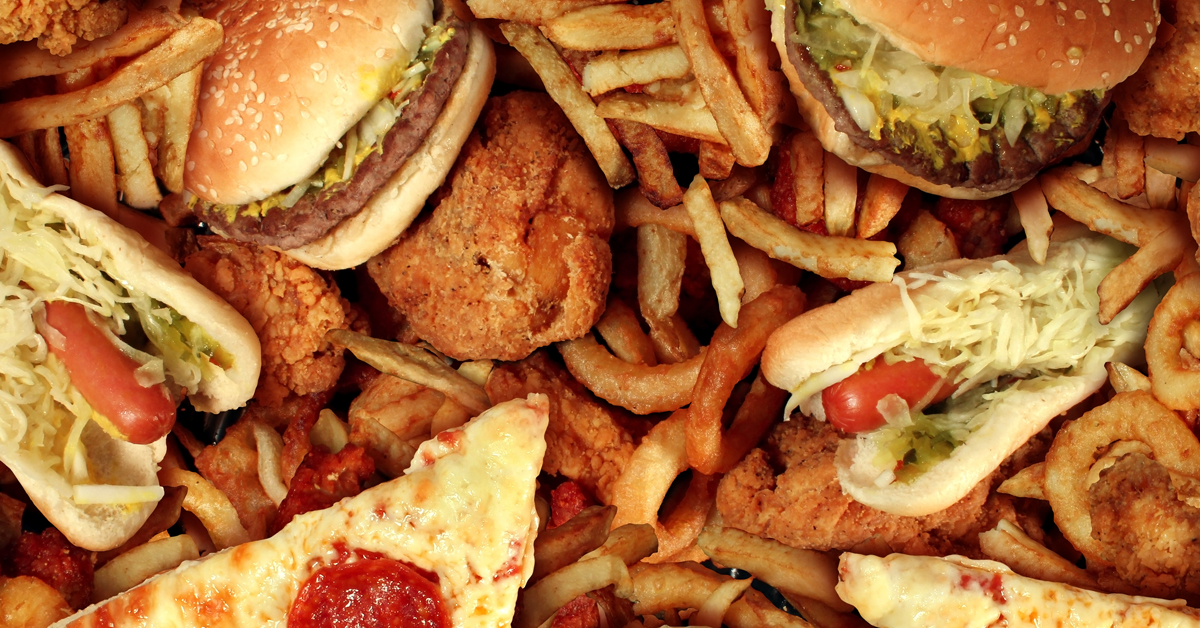
Fried foods absorb unhealthy fats from cooking oil. These fats increase bad cholesterol and cause artery damage. Common fried foods include French fries, fried chicken, and doughnuts. Regular intake of fried foods can lead to weight gain and heart problems. Baking or grilling foods reduces this risk.
Sugary Drinks And Snacks
Sugary drinks like soda and sweetened juices provide empty calories with no nutrients. They cause weight gain and increase blood sugar levels. Sugary snacks such as candies and cookies also harm heart health. Limiting sugar helps control weight and reduces the chance of heart disease.
Refined Carbohydrates
Refined carbs come from white bread, white rice, and many snacks. These foods spike blood sugar and increase insulin resistance. They often lack fiber and essential nutrients. Whole grains are a healthier choice and support heart health better than refined carbs.
Impact Of Sodium And Fats On Heart
The impact of sodium and fats on heart health cannot be ignored. Many pizzas contain high levels of both. These components affect the heart in different ways. Understanding their role helps in making smarter food choices.
Excess sodium and unhealthy fats raise risks for heart problems. They influence blood pressure, cholesterol levels, and inflammation. These factors contribute to heart disease over time.
Blood Pressure And Sodium
Sodium is a major cause of high blood pressure. Pizza often contains processed meats and extra cheese, which add a lot of salt. High blood pressure forces the heart to work harder. This strain can damage arteries and increase heart disease risk.
Reducing sodium intake helps keep blood pressure at a healthy level. Choosing pizzas with less processed meat and cheese can lower salt consumption.
Ldl Cholesterol And Saturated Fat
Saturated fat raises LDL cholesterol, known as bad cholesterol. Many pizzas have cheese and fatty meats high in saturated fat. High LDL levels can clog arteries and reduce blood flow.
Clogged arteries increase the chance of heart attacks and strokes. Selecting lean toppings and limiting cheese helps reduce saturated fat intake.
Inflammation And Chronic Disease Risk
High sodium and saturated fats can cause inflammation in the body. Inflammation damages blood vessels and organs over time. This damage leads to chronic diseases like heart disease and diabetes.
Eating foods with healthy fats and less salt can lower inflammation. Adding vegetables to pizza increases nutrients that fight inflammation.
Credit: blog.mercy.com
Frequently Asked Questions
What Are Three Foods Cardiologists Say Not To Eat?
Cardiologists advise avoiding red meat, processed meats like bacon and hot dogs, and fried foods such as French fries to protect heart health.
What Is The Most Unhealthy Food For Your Heart?
The most unhealthy foods for your heart are processed meats, fried foods, sugary drinks, and refined carbs. These raise blood pressure, cholesterol, and inflammation. Avoid hot dogs, bacon, french fries, soda, and white flour products to protect your heart health.
What Is The 1 Worst Habit For Your Heart?
The 1 worst habit for your heart is smoking. It damages blood vessels, raises blood pressure, and increases heart disease risk.
What Is The Most Artery Clogging Food?
Processed meats like sausages, bacon, and hot dogs clog arteries the most due to high saturated fats and preservatives. Fried foods and sugary beverages also contribute significantly to artery blockage and heart disease risk.
Conclusion
Pizza’s impact on heart health depends on its ingredients. Regular takeout pizza often contains high sodium, saturated fats, and refined carbs. These can raise blood pressure and cholesterol levels. Choosing whole wheat crust, fewer cheeses, and more vegetables improves its heart benefits.
Limiting processed meats also helps protect your heart. Eating pizza occasionally is fine, but balance it with healthy foods. Small changes make pizza a better choice for your heart. Enjoy your meals while keeping your heart in mind.

As the author of the “Ultimate Pizza Guide: Recipes, Tips & Secrets Revealed,” I’m dedicated to sharing my love for pizza and empowering others to create delicious homemade pizzas with ease. Join me on a journey to uncover the secrets to perfecting your pizza game!