You love pizza, and you care about your fitness. But can these two worlds really coexist?
Imagine enjoying your favorite slice without guilt or fear of ruining your progress. What if eating pizza could fit into your fitness goals, whether you’re building muscle or managing your weight? This article will unravel the surprising truths about pizza consumption and fitness, showing you how to balance indulgence with health.
Keep reading to discover how you can savor pizza and still stay on track with your body goals.
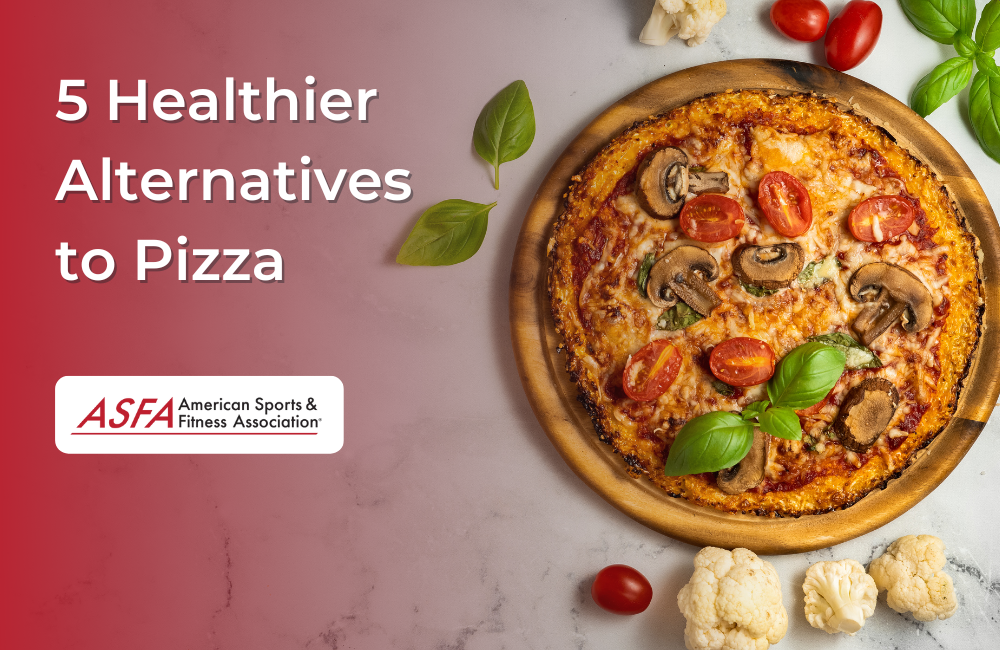
Credit: www.americansportandfitness.com
Pizza And Muscle Building
Pizza can be part of a muscle-building diet. It offers important nutrients to support growth and recovery. Choosing the right toppings and portions is key. Balance matters more than avoiding pizza completely.
Protein Content In Pizza
Protein builds and repairs muscles after workouts. Cheese and meat toppings add protein to pizza. A typical slice has about 10-15 grams of protein. Adding chicken or extra cheese increases protein content. This helps meet daily protein needs for muscle growth.
Carbs And Energy For Workouts
Carbohydrates fuel your body during exercise. Pizza crust provides carbs to supply energy. Eating carbs before workouts boosts strength and endurance. After training, carbs help refill muscle energy stores. Pizza can be a convenient source of carbs for active people.
Myths About Pizza And Bulking
Many believe pizza always causes fat gain. Muscle building requires a calorie surplus, not pizza avoidance. Eating pizza in moderation fits within bulking diets. The key is managing total calories and nutrients. Pizza itself does not stop muscle growth or cause fat gain automatically.
Calorie Management With Pizza
Managing calories plays a key role in enjoying pizza without harming fitness goals. Pizza can fit into a balanced diet if you control portion sizes and ingredients. Knowing how to manage calories helps you savor pizza and stay on track.
Staying In A Calorie Deficit
Eating fewer calories than you burn leads to weight loss. Pizza can be part of this plan when portions are moderate. Choose thin crust and limit high-fat toppings. Track all food eaten to keep calories in check.
Tracking Macros With Homemade Pizza
Making pizza at home gives control over ingredients and nutrition. You can measure carbs, protein, and fats easily. Use whole wheat crust, lean meats, and fresh veggies. This helps balance macros and supports muscle growth.
Balancing Indulgence And Fitness
Enjoying pizza occasionally keeps motivation high. Plan your meals around pizza to avoid overeating. Combine pizza days with exercise to balance energy intake. This approach maintains fitness while allowing treats.
Nutritional Benefits Of Pizza
Pizza is often seen as an indulgent treat. Yet, it has several nutritional benefits that support a healthy lifestyle. The right ingredients in pizza can offer essential nutrients needed for fitness and overall wellness. Understanding these benefits helps enjoy pizza without guilt.
Lycopene In Tomato Sauce
Tomato sauce on pizza is rich in lycopene. Lycopene is an antioxidant that helps protect cells from damage. It supports heart health and may reduce the risk of some cancers. Cooking tomatoes increases lycopene absorption, making pizza sauce a good source.
Mozzarella And Bone Health
Mozzarella cheese provides protein and calcium. Calcium is vital for strong bones and teeth. Protein helps repair muscles after exercise. Mozzarella also contains phosphorus and vitamin B12, which aid bone strength and energy production.
Balanced Macronutrients In A Slice
A slice of pizza offers carbohydrates, fats, and protein. Carbohydrates give energy for workouts and daily activities. Fats support brain function and hormone production. Protein helps build and repair muscle tissue. This balance makes pizza a convenient meal option.
Potential Downsides Of Pizza
Pizza is a popular food loved by many. Despite its taste, pizza can have some drawbacks. Understanding these downsides helps balance pizza consumption with fitness goals. Being aware of risks supports healthier choices and better results.
Risk Of Overeating
Pizza is easy to eat in large amounts. The combination of cheese, dough, and toppings can trigger cravings. This may lead to eating more calories than needed. Overeating pizza often causes weight gain. Controlling portion size is important to avoid this risk.
High Sodium And Processed Ingredients
Many pizzas contain high levels of sodium. Processed meats like pepperoni and sausage add extra salt. Too much sodium can increase blood pressure. Processed ingredients may also include preservatives and unhealthy fats. These factors can harm heart health and overall wellness.
Impact On Body Composition
Regular pizza consumption affects body composition negatively. High calorie and fat content can increase body fat. This may reduce muscle definition and fitness progress. Eating pizza often without exercise can slow fat loss. Balance and moderation are key to maintaining a healthy body.
Strategies For Healthy Pizza Consumption
Eating pizza does not have to harm your fitness goals. Smart choices and good habits help you enjoy pizza in a healthy way. These strategies focus on balancing taste with nutrition. They guide you to make better pizza choices while keeping your fitness on track.
Control and planning make pizza a part of a healthy lifestyle. Simple tips can reduce calories and boost nutrients. These ideas help you fit pizza into your meal plans without feeling guilty.
Choosing Healthier Crusts And Toppings
Opt for whole wheat or cauliflower crusts. They offer more fiber and fewer empty carbs. Avoid thick, heavy crusts high in calories. Pick lean protein toppings like chicken or turkey. Load up on vegetables for vitamins and minerals. Limit processed meats such as pepperoni or sausage. Choose low-fat cheese or smaller amounts to cut fat. Tomato sauce adds antioxidants, so use it generously but watch added sugars.
Portion Control Tips
Eat smaller slices to reduce calorie intake. Pair pizza with a side salad to fill up. Avoid eating pizza alone as a large meal. Stop eating when you feel satisfied, not stuffed. Share pizza with friends to limit portions. Keep track of how many slices you eat. Drink water instead of sugary drinks to stay hydrated.
Incorporating Pizza Into Meal Plans
Plan pizza meals around your daily calorie needs. Balance pizza with healthy foods like fruits and veggies. Use pizza as a treat rather than a main meal daily. Combine pizza with protein and fiber for better nutrition. Adjust your other meals to fit pizza calories. Prepare homemade pizza to control ingredients. Schedule pizza nights to avoid spontaneous overeating.

Credit: www.acmemarkets.com
Pizza And Metabolism
Pizza and metabolism have a complex relationship shaped by how the body processes food. Understanding this link helps balance enjoying pizza and maintaining fitness goals. Metabolism controls how calories from pizza turn into energy or fat. This section explains how the body reacts to eating pizza and its effects on metabolism.
Body’s Response To Calorie Surplus
Eating pizza often adds extra calories beyond daily needs. The body senses this calorie surplus and may store the excess as fat. Metabolism speeds up slightly to burn some extra calories. Yet, most surplus calories turn into fat unless burned by physical activity. The type of pizza and portion size influence the calorie load significantly.
One-off Overeating Effects
Occasional overeating pizza causes minor metabolic changes. The body increases energy use to digest and process the meal. This effect, called diet-induced thermogenesis, burns a small portion of calories. Short-term overeating rarely leads to weight gain if balanced by future meals. The body adapts quickly to isolated high-calorie days without lasting damage.
Long-term Metabolic Considerations
Regularly eating high-calorie pizza impacts metabolism over time. Constant calorie surplus slows metabolic rate as the body stores fat. Excess body fat can reduce insulin sensitivity and metabolic health. Long-term poor diet habits increase risks for weight gain and chronic diseases. Balancing pizza intake with exercise and healthy foods supports metabolism and fitness.
Pizza In Fitness Communities
Pizza has a unique place in fitness communities. It often appears in social events, workout rewards, and even meal plans. Many fitness enthusiasts enjoy pizza as a treat without feeling guilty. Understanding how pizza fits into fitness culture can help balance enjoyment and health goals.
Fitness groups show that pizza is more than just comfort food. It can be a source of protein and energy when chosen wisely. The key is moderation and planning. This section explores how pizza is viewed and used within gym culture and online forums.
Gym Culture And Pizza Nights
Pizza nights are popular in many gyms. They create a relaxed atmosphere after intense training sessions. Members gather to share food and stories. These events build community and motivate people to keep going.
Some gyms even use pizza nights to celebrate milestones. This helps members feel rewarded for their hard work. Pizza becomes a symbol of balance between discipline and fun.
Common Fitness Forum Opinions
Online fitness forums discuss pizza often. Opinions vary but most agree pizza can fit a healthy lifestyle. Many suggest tracking calories to enjoy pizza without guilt.
Users share tips on healthier pizza options. Examples include adding vegetables or choosing whole grain crusts. Forums also highlight the importance of portion control and meal timing.
Balancing Social Eating And Goals
Eating pizza socially does not have to break fitness goals. Planning meals around social events helps maintain progress. Fitness enthusiasts recommend eating lighter meals before and after pizza nights.
Listening to your body and eating mindfully supports balance. This approach allows enjoyment without feeling deprived. It also reduces stress around food choices.

Credit: plexusdx.com
Frequently Asked Questions
Can You Eat Pizza And Still Be Fit?
Yes, you can eat pizza and stay fit by controlling portion size and balancing calories with physical activity. Choose healthier toppings and homemade options to track nutrients better. Moderate pizza intake fits within a balanced diet supporting fitness goals without hindering progress.
Can I Eat Pizza And Still Gain Muscle?
You can eat pizza and still gain muscle by balancing calories and meeting your protein needs. Choose healthier toppings and control portions to support muscle growth.
What Kills Muscle Gains The Most?
The biggest muscle gain killers are poor nutrition, insufficient rest, overtraining, and excessive cardio. Avoid these to build muscle effectively.
Is There Any Benefit To Eating Pizza?
Eating pizza offers benefits like protein, calcium, and antioxidants from tomato sauce. It provides balanced carbs, fats, and protein in one meal.
Conclusion
Pizza can fit into a healthy lifestyle with smart choices. Balance is key to enjoying pizza without harming fitness goals. Choose homemade or healthier options to control ingredients and portions. Pair pizza with regular exercise to support muscle growth and weight management.
Remember, occasional treats do not undo consistent healthy habits. Fitness is about overall patterns, not single meals. Enjoy pizza mindfully and keep moving for best results.

As the author of the “Ultimate Pizza Guide: Recipes, Tips & Secrets Revealed,” I’m dedicated to sharing my love for pizza and empowering others to create delicious homemade pizzas with ease. Join me on a journey to uncover the secrets to perfecting your pizza game!