Have you ever noticed feeling extra thirsty or sluggish after enjoying a delicious slice of pizza? It turns out that what you eat—especially something as popular as pizza—can affect your body’s electrolyte balance more than you might think.
Electrolytes like sodium, potassium, and magnesium play a key role in keeping your muscles working, your nerves firing, and your hydration levels in check. But how does pizza fit into this picture? Could your favorite cheesy, savory treat be helping or hurting your electrolyte balance?
Keep reading to discover the surprising connection between pizza and electrolytes, and learn how to enjoy your meal without throwing your body off track.
Pizza And Electrolytes
Pizza is a popular food enjoyed by many. It contains various minerals that affect electrolyte balance. Electrolytes are vital for hydration and muscle function. Understanding pizza’s impact on electrolytes helps manage diet and health.
Sodium In Pizza
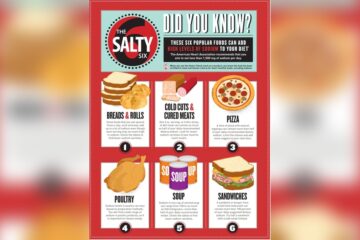
Pizza often contains high sodium levels. Cheese, cured meats, and sauces add salt. Sodium helps balance fluids and supports nerve signals. Eating too much sodium can cause dehydration. It makes you thirsty and may increase water intake.
Potassium Content
Potassium is important for muscle and heart health. Pizza has some potassium from tomato sauce and vegetables. Toppings like spinach and mushrooms boost potassium levels. Potassium helps balance sodium and keeps cells working well. Vegetables on pizza add valuable potassium to the meal.
Magnesium And Other Minerals
Magnesium supports muscle relaxation and energy production. Pizza contains small amounts of magnesium from cheese and whole grain crusts. Other minerals like calcium are also present in cheese. These minerals contribute to electrolyte balance and bone health. Including veggies and nuts on pizza increases mineral content.
Credit: suckerpunchpickles.com
Effects On Hydration
Eating pizza can affect your body’s hydration in several ways. The ingredients, especially the salt content, influence how much water your body needs. Understanding these effects helps you manage your electrolyte balance better.
Hydration depends on maintaining the right balance of electrolytes like sodium and potassium. Pizza often contains high sodium, which can change this balance and impact how your body handles fluids.
High Sodium And Dehydration
Pizza usually has a lot of salt from cheese, sauces, and toppings. High sodium pulls water out of your cells into your bloodstream. This process can make you lose water faster. Your body may feel thirsty as it tries to restore balance.
Too much sodium without enough water can cause dehydration. It can lead to dry mouth, headaches, and fatigue. Drinking water after eating pizza helps prevent these symptoms.
Thirst After Eating Pizza
Feeling thirsty after pizza is common. The salty taste signals your body to drink more fluids. Thirst is your body’s way to keep electrolyte levels stable. Ignoring thirst may cause mild dehydration.
Drinking water or electrolyte-rich drinks after pizza keeps hydration steady. This supports muscle function and overall health. Being aware of thirst helps you maintain good hydration habits.
Comparing Pizza Types
Pizza comes in many varieties, each affecting your body’s electrolyte balance differently. Electrolytes like sodium, potassium, and magnesium play key roles in hydration and muscle function. Understanding how different pizza types influence these minerals helps you make smarter food choices.
Vegetarian Vs Meat Toppings
Vegetarian pizzas often include vegetables rich in potassium and magnesium. Ingredients like spinach, tomatoes, and mushrooms add these electrolytes naturally. Cheese on vegetarian pizzas provides sodium but usually less than meat-heavy options.
Meat toppings tend to increase sodium levels due to processed meats like pepperoni and ham. These can lead to higher sodium intake, which may cause dehydration if not balanced with water. Some meats also add small amounts of potassium and magnesium, but sodium often dominates.
Healthier Pizza Choices
Choose pizzas with fresh vegetables and moderate cheese for better electrolyte balance. Thin crust options lower calorie and sodium intake. Avoid heavy processed meats to reduce excess sodium.
Adding toppings like avocado or leafy greens improves potassium and magnesium content. Using less cheese or opting for low-fat versions also supports better hydration. Drinking water alongside pizza helps maintain electrolyte balance too.
Foods That Boost Electrolytes
Electrolytes play a key role in keeping the body balanced and hydrated. Certain foods naturally boost electrolyte levels. Eating these foods helps maintain good muscle and nerve function. They also support hydration, especially after physical activity or hot weather.
Here are some top foods that help improve electrolyte balance in your diet.
Potassium-rich Foods
Potassium helps regulate fluid balance and muscle contractions. Bananas are a well-known source of potassium. Other fruits like oranges, cantaloupe, and apricots also provide potassium. Vegetables such as spinach, potatoes, sweet potatoes, and tomatoes are rich in potassium. Beans and lentils add a healthy boost of this mineral too.
Sources Of Sodium
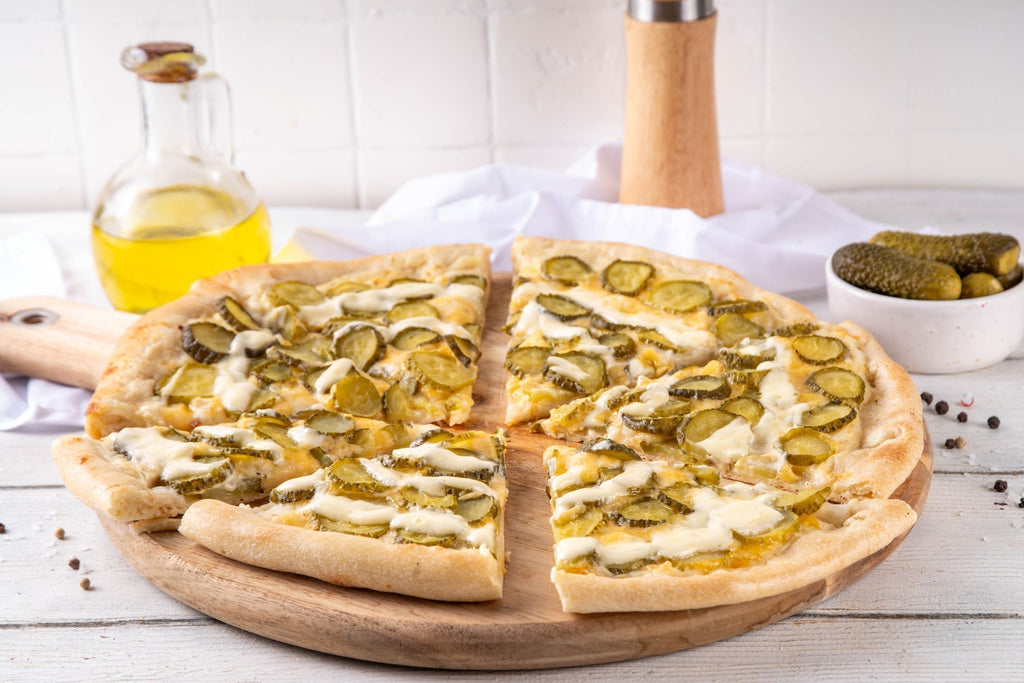
Sodium is essential for fluid balance and nerve function. Olives and pickles contain natural sodium. Cheese and salted nuts provide sodium in tasty forms. Lean meats and canned beans also contain this important mineral. Table salt, used in cooking, is a common sodium source but should be used in moderation.
Magnesium And Calcium Sources
Magnesium supports muscle and nerve health. Spinach, pumpkin seeds, almonds, and brown rice offer magnesium. Calcium helps build strong bones and supports muscle work. Dairy products like milk and yogurt are rich in calcium. Some leafy greens also contain small amounts of calcium.
Other Electrolyte-rich Options
Chloride works closely with sodium to maintain balance. Seaweed and tomatoes are good chloride sources. Coconut water is a natural drink rich in multiple electrolytes. Fish such as salmon and tuna provide potassium and magnesium. Eating a variety of these foods helps keep electrolytes balanced naturally.
Balancing Electrolytes With Diet
Balancing electrolytes through diet is essential for maintaining proper hydration and muscle function. Electrolytes like sodium, potassium, and magnesium help regulate nerve signals and fluid levels in the body. Eating the right foods supports this balance and prevents issues like dehydration or cramping.
Pizza, a popular dish, often contains high sodium levels, which can disrupt electrolyte balance. Adjusting your diet by managing sodium intake and boosting potassium can improve overall health. Including snacks rich in electrolytes also helps maintain this crucial balance.
Reducing Sodium Intake
Pizza usually has a lot of salt from cheese, sauce, and meats. High sodium can cause dehydration and increase thirst. Choose pizzas with less processed meat or go for vegetarian options. Limit extra salt on your pizza and avoid salty sides. Drinking plenty of water after eating salty foods helps flush excess sodium.
Increasing Potassium Intake
Potassium balances the effects of sodium and supports muscle health. Eat potassium-rich foods like bananas, potatoes, and spinach daily. Add avocado or tomatoes to your pizza for a potassium boost. These foods help lower blood pressure and improve hydration. Potassium helps your body maintain a healthy electrolyte balance.
Incorporating Electrolyte-rich Snacks
Snacking on nuts, seeds, or yogurt adds essential minerals like magnesium and calcium. Fruits such as watermelon and oranges provide natural electrolytes and hydration. Keep these snacks handy between meals to support electrolyte levels. These choices complement meals like pizza and promote steady energy and hydration.

Credit: karalydon.com
Electrolytes And Health Implications
Electrolytes play a vital role in maintaining the body’s balance. They regulate nerve and muscle function, hydrate the body, and help balance blood acidity and pressure. Eating foods like pizza affects electrolyte levels, especially sodium and potassium. Understanding these impacts is important for good health.
Impact On Cardiovascular Health
Sodium in pizza can raise blood pressure. High blood pressure stresses the heart and arteries. Potassium helps balance sodium and supports heart health. Eating too much sodium and too little potassium can lead to heart problems. Choosing pizza toppings with lower salt and more veggies can help maintain a healthy balance.
Kidney Health Considerations
Kidneys regulate electrolytes and remove waste. High sodium from pizza can strain the kidneys. Too much sodium causes water retention and raises blood pressure. Potassium levels also affect kidney function. People with kidney issues should monitor their pizza intake. Opt for lower-sodium options and avoid processed meats to protect kidney health.

Credit: www.zhounutrition.com
Frequently Asked Questions
Which Food Has The Best Balance If Electrolytes?
Bananas, spinach, potatoes, yogurt, and pumpkin seeds offer the best balance of key electrolytes like potassium, sodium, and magnesium.
Is Pizza Good For Dehydration?
Pizza is not ideal for dehydration. Its high sodium content can increase thirst and worsen dehydration. Drink water and eat electrolyte-rich foods instead.
Is Pizza Good For Low Potassium?
Pizza often contains high potassium and salt, which may not suit low potassium diets. Choose vegetarian or chicken pizzas for lower potassium.
What Foods Replenish Electrolytes?
Bananas, watermelon, spinach, potatoes, yogurt, almonds, beans, and fish replenish electrolytes. Coconut water and pickle juice also help.
Conclusion
Pizza can affect your electrolyte balance due to its high sodium content. Eating pizza may make you feel thirsty because salt pulls water from your body. To keep electrolytes balanced, include fruits, vegetables, and dairy in your diet. Foods rich in potassium, magnesium, and calcium help maintain hydration and muscle function.
Enjoy pizza in moderation and drink plenty of water. A balanced diet supports your body’s electrolyte needs. Choose toppings wisely to reduce excess salt and fats. Your body will thank you for smart food choices.

As the author of the “Ultimate Pizza Guide: Recipes, Tips & Secrets Revealed,” I’m dedicated to sharing my love for pizza and empowering others to create delicious homemade pizzas with ease. Join me on a journey to uncover the secrets to perfecting your pizza game!