You love pizza, but have you ever wondered what it really does to your metabolism? Whether you’re trying to lose weight, maintain energy, or just understand how your body works, knowing how pizza affects your metabolism can change the way you enjoy this favorite meal.
You’ll discover surprising facts about how pizza interacts with your body’s energy system, the good and the not-so-good effects, and simple tips to make your pizza nights healthier without giving up flavor. Ready to unlock the secrets behind pizza and your metabolism?
Keep reading—you might be surprised!

Credit: builtforathletes.com
Pizza’s Nutritional Components
Pizza’s nutritional components offer more than just great taste. Each ingredient adds unique nutrients that can affect your metabolism. Understanding these components helps you appreciate pizza’s role in a balanced diet.
Protein And Calcium Benefits
Cheese is a key source of protein and calcium in pizza. Protein helps build and repair muscles. It also supports healthy hair and nails. Calcium strengthens bones and teeth. Eating pizza with cheese provides these vital nutrients in every slice.
Antioxidants In Tomato Sauce
Tomato sauce contains lycopene, a powerful antioxidant. Lycopene helps protect your heart and lower cholesterol. It also reduces inflammation in the body. The cooking process increases lycopene’s availability, making pizza sauce a good source.
Vitamins And Minerals
Pizza toppings add various vitamins and minerals. Vegetables provide vitamin C, potassium, and fiber. Meat toppings offer iron and B vitamins. These nutrients support energy production and overall metabolism. Choosing fresh toppings improves pizza’s nutritional value.

Credit: balancedtx.com
Pizza’s Effects On Metabolism
Pizza’s effects on metabolism are complex and vary by ingredients and portion size. It can both support and slow down metabolic processes. Understanding how pizza influences fat burn, the role of refined carbohydrates and fats, and the impact of dopamine helps explain this relationship.
How Pizza Influences Fat Burn
Pizza contains proteins that aid muscle repair and boost metabolism. Cheese and meats provide amino acids that support fat burning. Yet, high calorie content may slow metabolism if consumed in excess. The body’s ability to burn fat depends on overall diet balance, not just one meal.
Impact Of Refined Carbs And Fats
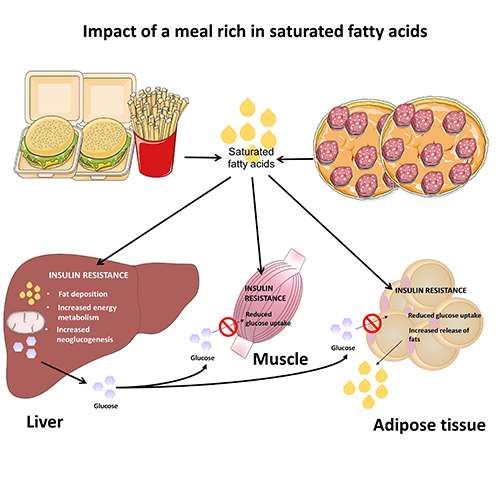
Pizza dough often uses refined carbohydrates that spike blood sugar quickly. This causes insulin levels to rise, promoting fat storage instead of fat burning. Saturated fats from cheese and processed meats can increase cholesterol and affect heart health. Choosing whole grain crust and lean toppings helps reduce these negative effects.
Role Of Dopamine In Craving And Satisfaction
Eating pizza triggers dopamine release in the brain, creating feelings of pleasure. Dopamine encourages repeated eating by rewarding the brain. This can lead to cravings and overeating. Enjoying pizza in moderation helps maintain satisfaction without disrupting metabolism.
Health Benefits Of Eating Pizza
Pizza is more than a tasty treat. It offers several health benefits when eaten in moderation. The ingredients in pizza provide important nutrients that support overall wellness. These nutrients help the body in many ways, from strengthening bones to lifting moods. Understanding these benefits helps appreciate pizza’s role in a balanced diet.
Boosting Bone And Heart Health
Cheese on pizza is rich in calcium, zinc, and magnesium. These minerals strengthen bones and teeth. Tomato sauce contains lycopene, a powerful antioxidant. Lycopene helps protect the heart by reducing bad cholesterol levels. This combination supports a strong skeletal system and a healthy heart. Choosing pizzas with fresh ingredients increases these health benefits.
Mood Enhancement And Social Connection
Eating pizza releases dopamine, the brain’s feel-good chemical. This boosts mood and creates a sense of happiness. Pizza often brings people together for meals, encouraging social bonding. Sharing pizza with friends or family improves emotional well-being. These social and mood benefits make pizza more than just food.
Nutrient Support For Muscles And Skin
Pizza provides protein, which is essential for muscle repair and growth. It also contains B vitamins that support skin health and energy production. The vegetables added to pizza add vitamins and antioxidants. These nutrients help keep skin glowing and muscles strong. Balanced pizza choices contribute to overall physical health.
Potential Health Risks
Eating pizza regularly can pose several health risks, especially affecting metabolism and overall well-being. Many popular pizza varieties contain high amounts of calories, fats, and sodium. These elements can impact body functions negatively if consumed in excess. Understanding these risks helps make better food choices and maintain a healthy lifestyle.
Weight Gain And Calorie Concerns
Pizza often contains many calories from cheese, dough, and toppings. These calories add up quickly and can cause weight gain. Overeating pizza leads to excess calorie intake, which the body stores as fat. Refined flour in crusts raises blood sugar levels, affecting metabolism. Frequent consumption without balancing physical activity increases the risk of obesity.
Heart Disease And Blood Pressure Risks
High levels of saturated fats and sodium in pizza raise heart disease risks. Cheese and processed meats contribute to unhealthy cholesterol levels. Excess sodium intake can increase blood pressure dangerously. These factors strain the heart and blood vessels over time. Regularly eating salty, fatty pizza may lead to heart-related health problems.
Digestive Issues And Food Sensitivities
Some people may face digestive discomfort after eating pizza. Ingredients like gluten, lactose, and processed additives can trigger sensitivities. Symptoms include bloating, gas, and stomach pain. Overconsumption of greasy and heavy pizza also slows digestion. Choosing pizzas with whole grains and fewer additives can reduce these problems.
Making Pizza Healthier
Making pizza healthier helps support a better metabolism and overall well-being. Small changes in ingredients and pairings can reduce excess calories and unhealthy fats. These tweaks keep pizza enjoyable and nutritious without losing its classic taste.
Focus on smarter choices for crust, toppings, and sides. This approach improves nutrient intake and aids digestion. Eating balanced meals supports steady energy and metabolism.
Choosing Better Crust Options
Opt for whole wheat or multigrain crusts. They contain more fiber and nutrients than white flour crusts. Fiber slows digestion, helping blood sugar stay stable. Thin crusts reduce calorie load without sacrificing flavor. Avoid deep-dish or stuffed crusts that add extra fats and carbs.
Adding Vegetables And Lean Proteins
Load your pizza with colorful vegetables like spinach, peppers, and tomatoes. Veggies add vitamins, minerals, and antioxidants that support metabolism. Choose lean proteins such as grilled chicken, turkey, or plant-based options. These provide muscle-building nutrients without too much saturated fat. Limit processed meats like pepperoni or sausage that can increase sodium and unhealthy fats.
Beverage And Side Dish Pairings
Pick water, sparkling water, or unsweetened tea over sugary drinks. Sugary drinks spike blood sugar and slow metabolism. Serve your pizza with a side salad or steamed veggies to add fiber and nutrients. Avoid heavy, creamy sides that add excess calories and fats. Balanced pairings promote digestion and energy use.
Eating Pizza Regularly
Eating pizza regularly is a common habit for many people. It is tasty and easy to enjoy with family or friends. But what does regular pizza consumption do to your metabolism? Understanding its effects helps you make better food choices. Let’s explore how eating pizza each week can affect your body and metabolism.
Effects Of Weekly Consumption
Eating pizza once or twice a week can add extra calories and fats to your diet. These may slow down your metabolism if not balanced with activity. The high sodium content may cause water retention and bloating. On the positive side, pizza provides protein and calcium, which support muscle and bone health. Choosing pizza with vegetables and lean meats improves its nutritional value. Portion control is key to avoid overeating and metabolic slowdown.
Long-term Metabolic Impact
Regularly eating pizza high in saturated fats and refined carbs may increase fat storage. This can lead to weight gain and insulin resistance over time. Both conditions reduce metabolic efficiency and raise the risk of type 2 diabetes. However, pizza with whole grain crust and fresh toppings has less negative impact. Long-term habits shape your metabolism, so frequent unhealthy pizza meals can harm your metabolic health. Balancing pizza intake with healthy foods supports better metabolism.
Balancing Enjoyment With Health
Enjoying pizza does not mean you must harm your metabolism. Moderation and smarter choices make a difference. Opt for smaller portions and add vegetables to boost fiber and nutrients. Limit high-fat meats and extra cheese to reduce saturated fat intake. Pair pizza with a side salad or water instead of sugary drinks. Regular exercise also helps keep your metabolism active. A balanced approach lets you enjoy pizza while supporting your metabolic health.
Credit: medicalxpress.com
Frequently Asked Questions
Is Eating Pizza Good For Losing Weight?
Eating pizza can fit a weight loss plan if you control calories and choose healthier toppings. Opt for whole-grain crust, lean proteins, and plenty of vegetables. Avoid high-fat, processed meats and excessive cheese. Portion control and balanced meals support metabolism and weight management effectively.
Why Do I Feel So Good After Eating Pizza?
Eating pizza releases dopamine, a feel-good chemical in your brain. Its tasty ingredients trigger pleasure and satisfaction. This boosts mood and comfort quickly.
What Does Pizza Do To Your Body?
Pizza provides protein, calcium, and antioxidants supporting bones, muscles, and heart health. Excess intake may cause weight gain, high blood pressure, and sluggishness. Choosing whole-grain crust, lean meats, and veggies improves nutrition and reduces negative effects on your body.
What Should I Eat If I Crave Pizza?
Choose a whole-grain or cauliflower crust pizza topped with vegetables and lean protein. Drink water and add a side salad. This satisfies cravings while supporting health and metabolism.
Conclusion
Pizza affects metabolism both positively and negatively. It provides protein, calcium, and antioxidants that support body functions. Tomato sauce’s lycopene may improve heart health. Cheese adds important minerals for strong bones. Eating pizza can lift your mood and help social bonding.
Still, high calories, saturated fats, and sodium can slow metabolism and raise health risks. Choose whole-grain crusts and add veggies for a healthier meal. Lean meats reduce unhealthy fats. Balance and moderation keep pizza part of a good diet. Enjoy your favorite food without harming your metabolism.

As the author of the “Ultimate Pizza Guide: Recipes, Tips & Secrets Revealed,” I’m dedicated to sharing my love for pizza and empowering others to create delicious homemade pizzas with ease. Join me on a journey to uncover the secrets to perfecting your pizza game!