
Pizza can cause stomach pain due to its high fat content and potential food intolerances. Common culprits include lactose, gluten, and acidic tomato sauce.
Many people experience stomach discomfort after eating pizza. This popular dish often contains ingredients that can trigger digestive issues. High-fat cheeses and greasy toppings slow digestion, leading to bloating and pain. Lactose in cheese can upset those with lactose intolerance.
Gluten in the crust may affect individuals with gluten sensitivity or celiac disease. Acidic tomato sauce can irritate the stomach lining, causing heartburn and discomfort. Spicy toppings like pepperoni can also exacerbate digestive problems. Understanding these triggers helps in choosing pizza options that are easier on the stomach. Opt for lighter, less greasy versions to enjoy pizza without the pain.
Introduction To Pizza And Digestive Discomfort
Pizza is a beloved food. Many enjoy it around the world. But sometimes, it can lead to stomach pain. This can be confusing and uncomfortable. Let’s explore why this happens.
Popularity Of Pizza
Pizza is one of the most popular foods globally. It’s loved for its cheesy goodness and variety of toppings. People eat it at parties, dinners, or as a quick snack. The combination of flavors makes it irresistible.
Common Symptoms Of Stomach Pain After Eating Pizza
Stomach pain after eating pizza is common. Here are some symptoms you might experience:
- Bloating: Your stomach feels full and tight.
- Gas: You may feel the need to burp or pass gas.
- Cramping: Sharp or dull pains in your abdomen.
- Heartburn: A burning sensation in your chest.
- Diarrhea: Loose, watery stools.
These symptoms can be mild or severe. They usually appear soon after eating pizza. Understanding the causes can help in managing these discomforts.
Components Of Pizza That May Cause Discomfort
Pizza is a beloved food worldwide, but it can sometimes lead to stomach discomfort. Understanding the components of pizza that may cause discomfort can help you enjoy this treat without the pain. Below are the main culprits.
High-fat Content And Digestion
Pizza often contains high levels of fat, especially from ingredients like cheese, meats, and oils. Fat slows down digestion, which can lead to bloating and discomfort. This high-fat content can overwhelm your digestive system, causing a feeling of fullness or nausea.
Fatty foods can also trigger acid reflux. This occurs when stomach acid rises into the esophagus. The result can be a burning sensation in your chest or throat. If you are prone to acid reflux, the high-fat content in pizza can be a significant trigger.
Cheese Lactose Content And Intolerance
Many people are lactose intolerant, meaning they cannot digest lactose, a sugar found in milk and dairy products. Cheese, a key ingredient in pizza, contains lactose. Consuming pizza can lead to symptoms like gas, bloating, and diarrhea for those who are lactose intolerant.
If you experience discomfort after eating pizza, lactose intolerance could be the reason. Lactose-free cheeses are available and may be a suitable alternative. Checking ingredient lists and opting for lactose-free options can help reduce discomfort.
Gluten Sensitivity And Pizza Consumption
Many people love pizza. But some experience stomach pain after eating it. One common reason is gluten sensitivity. Gluten is found in pizza dough. Understanding gluten sensitivity can help you enjoy pizza without discomfort.
Gluten In Pizza Dough
Pizza dough is made from wheat flour. Wheat flour contains a protein called gluten. Gluten gives dough its stretchy texture. When you eat pizza, you consume gluten. For some, gluten causes stomach issues.
Identifying Gluten Intolerance
Not everyone has gluten intolerance. But if you often have stomach pain after eating pizza, it might be the cause. Here are some signs to watch for:
- Stomach pain
- Bloating
- Diarrhea
- Fatigue
If you experience these symptoms, consider speaking to a doctor. They can perform tests to check for gluten intolerance.
Here is a simple table to show common gluten-related symptoms:
| Symptom | Description |
|---|---|
| Stomach Pain | Pain or discomfort in the abdomen |
| Bloating | Feeling of fullness and tightness in the stomach |
| Diarrhea | Frequent loose or watery stools |
| Fatigue | Feeling tired and lacking energy |
Acidic Tomato Sauce And Gastrointestinal Issues
Many people love pizza, but it sometimes causes stomach pain. One common culprit is the tomato sauce. Tomato sauce is acidic, which can upset your stomach. This section explores why and how to manage it.
Acidity Levels In Tomato-based Sauces
Tomatoes are naturally acidic. Their acidity can cause heartburn and stomach pain. The pH level of tomato sauce is around 4. This makes it a strong acid.
| Food Item | pH Level |
|---|---|
| Tomato Sauce | 4.0 |
| Orange Juice | 3.5 |
| Milk | 6.5 |
Tomato sauce can irritate the stomach lining. This leads to discomfort and pain. People with sensitive stomachs should be careful.
Managing Acid Reflux With Diet
Acid reflux happens when stomach acid goes up into the esophagus. This can cause a burning feeling in the chest. There are ways to manage this with diet.
- Choose low-acid tomato sauce.
- Add a pinch of sugar to balance the acidity.
- Avoid eating late at night.
Other foods can also trigger acid reflux. These include chocolate, coffee, and spicy foods. Keeping a food diary can help identify triggers.
Small, frequent meals are easier on the stomach. Chewing gum after meals increases saliva production. Saliva helps neutralize stomach acid.
In some cases, medication may be necessary. Always consult a healthcare provider for advice.
The Role Of Toppings In Stomach Pain
Pizza is a favorite meal for many. But sometimes, it can cause stomach pain. The toppings on your pizza may be the culprits. Different toppings can upset your stomach in various ways. Let’s explore how certain toppings can lead to discomfort.
Spicy And Greasy Toppings
Spicy and greasy toppings can irritate your stomach lining. These include pepperoni, sausage, and jalapeños. The high-fat content in greasy toppings can slow digestion. This can lead to bloating and discomfort.
- Pepperoni: High in fat and spices, making digestion harder.
- Sausage: Often greasy and seasoned, causing stomach irritation.
- Jalapeños: Spicy and can trigger acid reflux.
Food Additives And Preservatives
Many pizza toppings contain additives and preservatives. These chemicals can cause stomach issues. Some people are sensitive to these substances. Others may develop allergies over time.
| Additive | Effect |
|---|---|
| Monosodium Glutamate (MSG) | Can cause headaches and stomach pain. |
| Nitrates/Nitrites | Used in processed meats, can upset the stomach. |
| Artificial Colors | May cause allergic reactions or digestive problems. |
Being aware of these toppings can help you make better choices. Opt for fresh and simple toppings. This can reduce the risk of stomach pain. Enjoy your pizza without the discomfort!
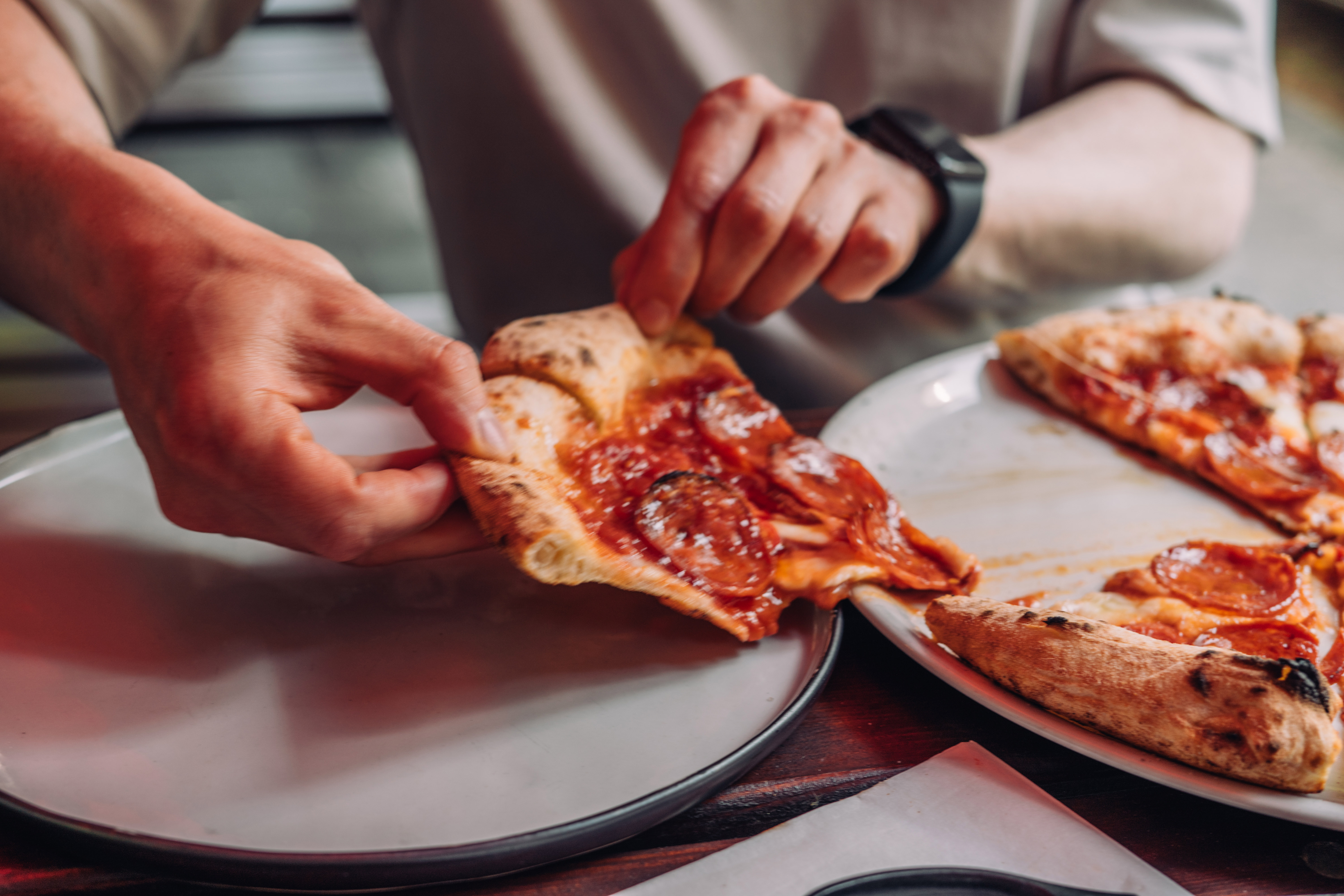
Credit: www.livestrong.com
Overeating And Its Impact On Digestion
Eating too much pizza can hurt your stomach. Overeating puts stress on your digestive system. This can cause discomfort and pain. Let’s explore why and how portion control can help.
Portion Size Awareness
Understanding the right portion size is crucial. Eating large amounts at once can overwhelm your stomach. Small, regular portions are easier to digest. Listen to your body’s hunger signals to avoid overeating.
| Portion Size | Effect on Digestion |
|---|---|
| Small | Easy to digest |
| Medium | Moderate digestion |
| Large | Hard to digest |
The Temptation Of Pizza And Mindful Eating
Pizza is tempting and delicious. It is easy to eat more than needed. Mindful eating can help control this. Focus on each bite. Enjoy the flavors and textures. This helps you eat slowly and recognize fullness.
- Eat slowly and savor each bite
- Put your fork down between bites
- Drink water before eating
How Cooking Methods Affect Pizza’s Digestibility
Pizza is a beloved food, but it can cause stomach discomfort for some. The way pizza is cooked plays a significant role in how it affects your digestion. Different cooking methods can change the texture, fat content, and overall digestibility of the pizza.
Deep-dish Vs. Thin Crust
Deep-dish pizza is thick and often loaded with cheese and toppings. This can make it harder to digest. The dense crust and high fat content can be tough on your stomach. In contrast, thin crust pizza is lighter and usually has fewer toppings. This makes it easier to digest.
| Deep-Dish Pizza | Thin Crust Pizza |
|---|---|
| Thick, dense crust | Light, crispy crust |
| High in fats and oils | Lower in fats and oils |
| More cheese and toppings | Less cheese and toppings |
Fried Vs. Baked Pizza Options
Fried pizza is cooked in oil, which can add extra fat and calories. This makes it heavier and harder to digest. Baked pizza, on the other hand, is cooked in an oven with no added fats. This makes it a healthier and more digestible option.
- Fried Pizza: High in fats and calories, heavy on the stomach.
- Baked Pizza: Lower in fats, easier to digest.
Choosing a baked pizza can reduce the likelihood of stomach issues. It’s a lighter option that won’t weigh you down.
Strategies To Enjoy Pizza Without The Pain
Many people love pizza, but it can cause stomach pain. Thankfully, there are ways to enjoy pizza without discomfort. Here are some strategies to help you relish your favorite slice without the pain.
Choosing Healthier Pizza Alternatives
Healthier pizza options can reduce stomach issues. You can start by choosing a whole grain crust instead of a regular one. Whole grains are easier to digest and contain more fiber.
Another tip is to opt for a light cheese or a cheese alternative. Regular cheese is high in fat, which can upset your stomach. Light cheese has less fat but still tastes good.
Load up your pizza with vegetables. Veggies like bell peppers, spinach, and mushrooms add flavor and are gentle on the stomach. Avoid greasy meats like pepperoni and sausage, which can cause discomfort.
| Ingredient | Healthier Alternative |
|---|---|
| Crust | Whole grain crust |
| Cheese | Light cheese or cheese alternative |
| Toppings | Vegetables |
| Meat | Lean meats or no meat |
Dietary Supplements And Digestive Enzymes
Sometimes, your body needs a little help to digest pizza. Dietary supplements can aid digestion and reduce discomfort. Probiotics are a good option as they help balance the bacteria in your gut.
Digestive enzymes can also be beneficial. These enzymes help break down food, making it easier to digest. Look for enzymes that target fats, proteins, and carbohydrates.
- Probiotics: Help balance gut bacteria.
- Digestive Enzymes: Aid in breaking down food.
- Fiber Supplements: Add bulk to your stool, making digestion smoother.
Taking these supplements before eating pizza can minimize stomach pain. Always consult with a doctor before starting any new supplement regimen.
Conclusion: Balancing Pizza Enjoyment With Health
Pizza is a favorite food for many. It can sometimes cause stomach discomfort. Finding a balance between enjoying pizza and maintaining health is important. This section provides tips for enjoying pizza without the pain.
Listening To Your Body
Pay attention to how your body reacts to different foods. Notice any patterns after eating pizza. Your body gives signals when something is wrong.
Common symptoms include bloating, gas, and stomach pain. Track these symptoms in a food diary. This helps identify which ingredients may be causing issues.
Moderation And Dietary Choices
Eating pizza in moderation can reduce stomach problems. Limit portion sizes to avoid overeating. Smaller portions are easier to digest.
Choose healthier toppings like vegetables and lean meats. Avoid high-fat and greasy ingredients. These can be harder to digest and cause discomfort.
| Healthy Toppings | Unhealthy Toppings |
|---|---|
| Vegetables | Pepperoni |
| Grilled Chicken | Sausage |
| Low-fat Cheese | Extra Cheese |
Consider alternative crusts like whole wheat or cauliflower. These can be easier on the stomach. Drink water instead of sugary drinks with your pizza. This helps with digestion.
Credit: www.livestrong.com

Credit: patch.com
Frequently Asked Questions
Why Do I Get Stomach Pain After Eating Pizza?
Stomach pain after eating pizza could be due to lactose intolerance, gluten sensitivity, or high-fat content. Spicy toppings may also cause discomfort.
Why Am I So Intolerant To Pizza?
You might be intolerant to pizza due to lactose intolerance, gluten sensitivity, or a food allergy. Consult a doctor for diagnosis.
How To Settle The Stomach After Pizza?
Drink herbal tea or ginger tea to soothe the stomach. Eat a banana or yogurt to aid digestion. Stay hydrated with water. Avoid lying down immediately after eating. Take a short walk to help digestion.
Why Does Pizza Upset My Stomach On Reddit?
Pizza can upset your stomach due to its high fat content, lactose, gluten, or acidic tomato sauce. Some toppings may also cause digestive issues. Consider identifying specific ingredients that affect you and opt for alternatives.
Conclusion
Understanding why pizza causes stomach discomfort can help you make better dietary choices. Identifying specific triggers like lactose or gluten is key. Opt for alternative ingredients to enjoy pizza without the pain. Always listen to your body and consult a healthcare professional if issues persist.
Enjoying pizza shouldn’t come with a price.

As the author of the “Ultimate Pizza Guide: Recipes, Tips & Secrets Revealed,” I’m dedicated to sharing my love for pizza and empowering others to create delicious homemade pizzas with ease. Join me on a journey to uncover the secrets to perfecting your pizza game!


